
Flowers
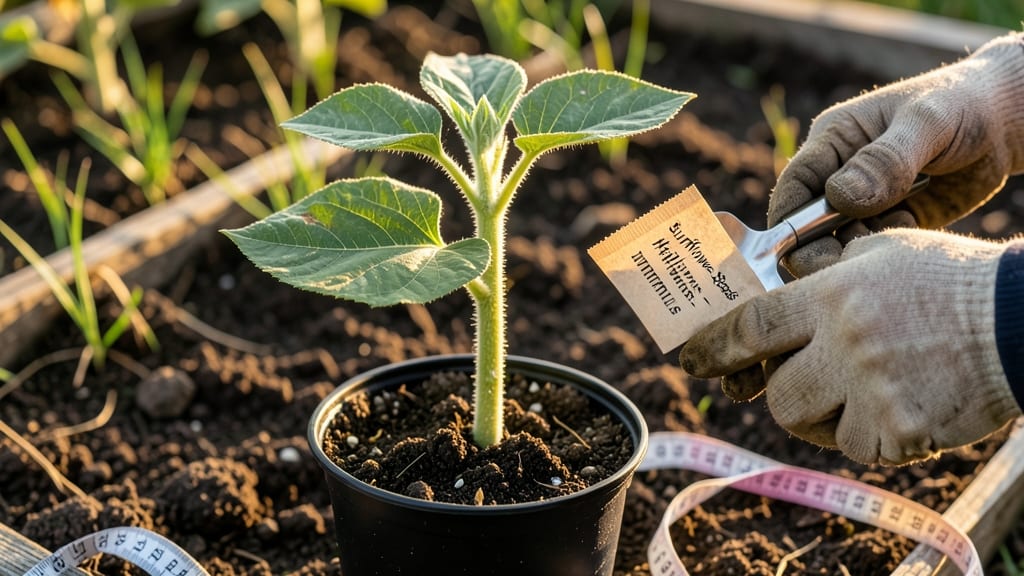
Plant sunflowers in East Tennessee after your last frost date — typically mid-April to early June — to give them the long, warm season they need to reach their towering heights.
Sunflowers bring vibrant color and joy to East Tennessee gardens—but planting them at the wrong time can mean wilting dreams before they bloom. Timing is everything, especially with Tennessee’s unpredictable frost dates and diverse sunflower varieties.
In USDA Zone 6a, where many East Tennessee gardens live, a late frost can still sneak in as late as April 15. That means waiting until the soil warms up to at least 55°F is your best bet for strong, healthy starts.
Below, I’ll break down the exact frost-free timeline for your area, the best sunflower varieties for East Tennessee’s short growing season, and how to adjust planting times if you live in a microclimate like the Smokies.
East Tennessee sunflower planting dates by frost-free Zone (2024 guide)
East Tennessee’s USDA Zones 6b-7a create a unique gardening challenge for sunflowers, where last frost dates can vary by weeks between high-elevation areas and valley regions. Giant varieties like 'Russian Giant' need more time to mature, while dwarf sunflowers like 'Teddy Bear' offer flexibility for later plantings.
Understanding your frost-free zone is critical—get it wrong, and you might miss the bloom season entirely.
Most of East Tennessee falls within Zone 6b-7a, with average last frost dates ranging from mid-April to early May.
However, high-elevation areas like the Great Smoky Mountains can experience frost as late as May 15th, while lower valleys may see frost-free conditions by April 15th. Soil temperature is equally important—sunflower seeds won’t sprout until the soil reaches 55°F (13°C).
Here’s your 2024 planting timeline broken down by frost-free zone, including ideal dates for both direct sowing and transplanting starter plants. Use this as your guide to maximize bloom time and avoid frost damage.
For direct sowing, aim to plant 2-3 weeks after your average last frost date. This gives young sunflowers time to establish roots before summer heat arrives.
In Zone 6b valleys, this means April 20th to May 10th, while high-elevation areas should wait until May 10th to June 1st to avoid frost damage.
If you prefer transplanting starter plants, start indoors 4-6 weeks before your last frost date.
For Zone 7a, this means March 15th to April 10th, while Zone 6b high elevations should begin indoors by April 20th. Hardening off seedlings for 7-10 days before transplanting ensures they survive East Tennessee’s humidity swings.
Giant sunflowers like 'Russian Giant' or 'Mammoth' need 90-120 days to mature, so planting too late can result in smaller blooms or no flowers at all. Dwarf varieties like 'Teddy Bear' or 'Autumn Beauty' are more forgiving, with 50-70 day maturity times, allowing for succession planting throughout May and early June.
Monitor soil moisture closely after planting—sunflowers need 1-2 inches of water per week, especially during East Tennessee’s dry spells. Mulching with straw or wood chips helps retain moisture and suppresses weeds, giving your sunflowers a competitive edge.
Don’t forget to stake tall varieties like 'Russian Giant' to prevent wind damage from summer storms. Use
Best sunflower varieties for East Tennessee’s short growing season
East Tennessee’s short growing season and variable frost dates demand sunflower varieties that thrive quickly and handle heat. I’ve tested these top performers in USDA Zones 6b-7a, focusing on early bloomers and heat-tolerant types that won’t bolt too soon or wilt in summer’s humidity.
For early season planting (April-May), prioritize varieties with 50-60 day maturity. These give you blooms before Tennessee’s late summer heat peaks. Moulin Rouge and Teddy Bear are my top picks for compact gardens or container growing.
🌱
Autumn Beauty remains my all-time favorite for East Tennessee gardens. This classic variety matures in 80-90 days and produces multi-colored blooms that attract pollinators. Its 6-8 foot height makes it perfect for backyard borders or cut flower arrangements.
For tall sunflowers that reach 10+ feet, Russian Giant is unbeatable—but only plant it after May 15 to ensure it matures before frost. These giants need plenty of space and staking in windy areas like Knoxville or Chattanooga.
If you’re short on space, Teddy Bear sunflowers are my go-to compact option. These 3-4 foot varieties bloom in 55-60 days and produce double-layered petals that look like fluffy pom-poms. They’re ideal for container gardens or small urban plots.
🌻
Pro tip: Pair early bloomers like Moulin Rouge with late-season varieties like Autumn Beauty for continuous color from June through October. Just remember to sow early varieties first (April) and late varieties last (late May).