
Flowers
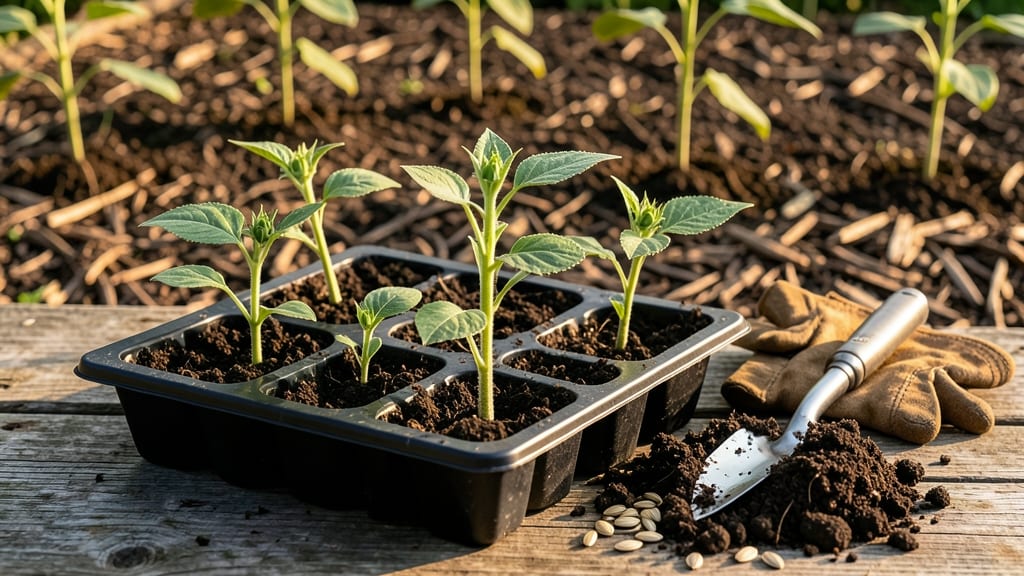
Planting sunflowers in Florida at the right time means the difference between 12-foot giants and sad, stunted blooms 🌻 — and the exact window depends on whether you’re in the Panhandle, Orlando, or Miami.
Sunflowers aren’t just beautiful—they can grow over 12 feet tall in Florida’s climate if planted at the perfect time. But with Florida’s unpredictable weather, knowing the exact window to plant them is the difference between towering giants and stunted blooms.
North Florida’s cooler springs and South Florida’s year-round heat mean your neighbors might be harvesting while you’re still waiting for sprouts. I’ll break down the best months for each region, plus how to adjust for urban heat islands, coastal humidity, and even late-season planting tricks to force taller varieties.
Ready to grow sunflowers that dwarf your fence? Here’s when to plant them—and how to give them the best shot at reaching their full, sun-soaked potential.
Optimal sunflower planting months in Florida by region (north vs. central vs. south)
Florida’s diverse climate means your sunflower planting timing should match your region. The Panhandle faces frost risks, while South Florida stays warm year-round. Even a 2-week difference can mean the difference between a 10-foot giant and a 4-foot disappointment. Let’s break down the perfect windows for each zone.
In North Florida (USDA Zones 8a-9a), frost can linger until mid-February, so your safest window is March through April. This gives sunflowers 120+ frost-free days to reach their full height.
For Central Florida (Zones 9b-10a), you’ve got flexibility—plant from February through May or even August for fall blooms.
South Florida (Zones 10b-11) is the easiest: you can plant year-round, but September through November gives the best balance of heat and rainfall. Just watch for hurricane season (June-November) which can stress young plants.
For North Florida gardeners, I recommend starting seeds indoors in February and transplanting after March 15th. This head start helps sunflowers outpace any late frosts. In Central Florida, you can direct-sow seeds in February for early blooms or August for fall color.
South Florida’s humidity challenges sunflower growth, so focus on well-draining soil and spaced planting (2-3 feet apart). The trade-off? You’ll avoid frost entirely and enjoy year-round planting, though summer heat may reduce height slightly.
Pro tip: In all regions, soil temperature matters more than air temperature. Wait until soil reaches 60°F+ before planting—use a soil thermometer to check. Cold soil delays germination, even if the air feels warm.
If you’re aiming for giant sunflowers, prioritize spring planting in North/Central Florida. For fall harvests, August-September works best statewide. Just remember: taller varieties need deeper soil—amend with compost to prevent toppling in storms.
One mistake I see often? Planting too late in South Florida and ending up with short, leggy sunflowers. Stick to the September-November window for the best balance of height and bloom time before winter rains arrive.
For urban gardeners, container-growing works well in all regions. Just use large pots (12"+ deep) and plant one sunflower per container to prevent competition. In North Florida, bring containers indoors if frost is forecasted.
How Florida’s microclimates affect sunflower growth timing (and what to do about it)
Florida’s diverse microclimates—from steamy coastal areas to inland dry zones—create unique challenges for growing sunflowers. In urban heat islands, like Miami or Orlando, temperatures can soar to 95°F+ by midday, while inland areas like Gainesville experience drier, cooler conditions.
These variations directly impact your sunflower’s growth timing and final height, especially for towering varieties like ‘Russian Giant’ or ‘Mammoth’.
Coastal regions, such as Fort Lauderdale or Tampa Bay, benefit from higher humidity, which helps sunflowers thrive during summer months. However, the salt-laden winds near the coast can stress young plants.
Meanwhile, inland areas like Lakeland or Pensacola face drought-like conditions that require extra watering to keep your sunflowers hydrated and tall. Adjusting your planting strategy based on these microclimates is key to unlocking their full potential.
⚠️ WARNING: Planting at the Wrong Time in Florida’s Microclimates Can Stunt Growth Sunflowers planted too early in coastal humidity risk fungal diseases like powdery mildew, while those in inland dry zones may bolt prematurely if stressed by heat.
For ‘Russian Giant’ varieties, aim to plant in late February to early March in North Florida or mid-August to early September for a fall harvest.
In South Florida, where frost is rare, you can extend the growing season by using shade cloth during peak summer heat to protect young seedlings.
⚠️ Critical Timing Mistakes in Florida’s Microclimates
- Coastal Areas: Planting in June or July risks heat stress and bolting before flowering.
- Inland Dry Zones: Skipping soil amendments like compost can lead to nutrient deficiencies in sandy soil.
- Urban Heat Islands: Without mulching, soil temperatures can exceed 100°F, shocking roots.
Pro Tip: Test your soil’s pH (6.0-7.0 ideal) and moisture retention before planting. Amend with organic matter to improve drainage in heavy clay or sandy soils.
To extend the growing season for tall sunflowers, focus on soil preparation. In coastal Florida, mix in sand to improve drainage, while inland areas benefit from compost or aged manure to retain moisture.
For ‘Mammoth’ sunflowers, which can reach 12+ feet, stake young plants to prevent wind damage from hurricanes or afternoon breezes. In urban gardens, container-grown sunflowers give you flexibility to move them to shadier spots during heatwaves.
Another trick is to succession plant every 2-3 weeks in spring or fall. This ensures a continuous harvest and maximizes your garden’s potential. For example, plant a batch in late February for early summer blooms, then follow up with mid-March seedlings for a staggered harvest.
In South Florida, where the growing season is year-round, you can even plant a fall crop in October for winter blooms, though you’ll need to protect them from cold snaps with row covers.
Monitor your sunflowers closely for signs of stress, such as yellowing leaves (nutrient deficiency) or drooping petals (underwatering). In humid coastal areas, watch for pests like aphids and treat with neem oil if needed.
For drought-prone inland zones, deep watering once a week is better than daily shallow watering. With these adjustments, you’ll coax even ‘Russian Giant’ sunflowers to reach their 12-foot potential—regardless of Florida’s microclimate.
Don’t let Florida’s microclimates limit your sunflower dreams. With the right soil prep, planting timing, and care adjustments, you can grow sunflowers that rival the tallest skyscrapers in your neighborhood. Happy gardening! 🌻