
Flowers
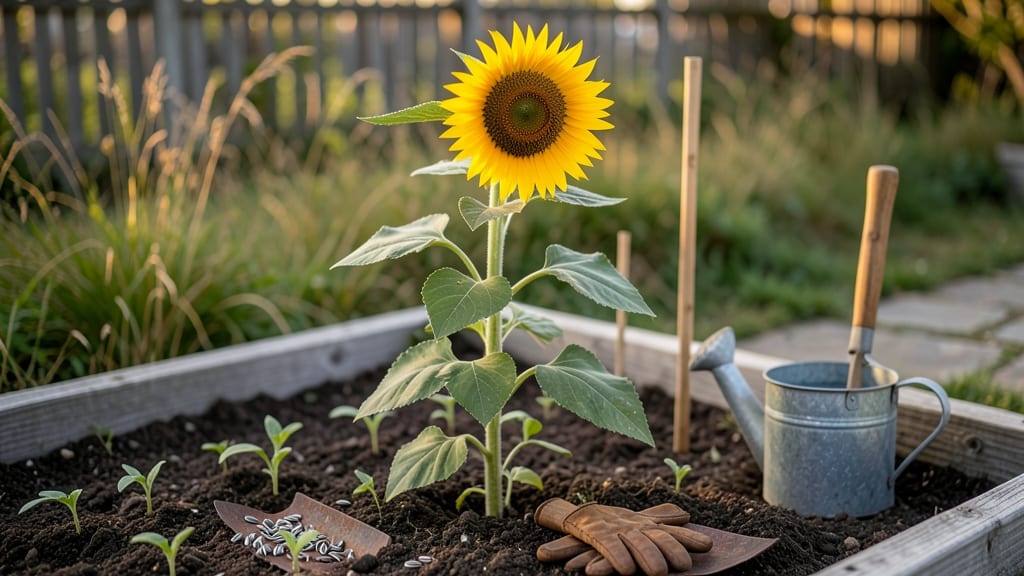
Planting sunflowers in Idaho after your last frost date — typically mid-April to mid-June — unlocks their full potential for towering 🌻 blooms and bountiful seeds.
Picture this: you’ve prepped the soil, dropped in seeds, and waited weeks for those first green shoots — only to watch a late frost turn them to mush. It’s a heartbreaking mistake I’ve made twice, and I’ll help you avoid it.
Idaho’s diverse climate zones (4-7) mean your neighbors might be harvesting sunflowers while yours are still struggling to sprout. The key is matching your variety to your microclimate, whether you’re in Boise’s Zone 6 or the cooler reaches of Zone 4.
Below, I’ll break down the exact planting windows by zone, the best sunflower types for Idaho’s short vs. long growing seasons, and pro tips to stretch your blooms from July through October — no frost casualties included.
Idaho sunflower planting calendar by frost-free Zones (5-9)
Idaho’s diverse microclimates create unique challenges for sunflower growers. From the cooler northern valleys of Zone 5 to the warmer southern deserts of Zone 9, timing your plantings correctly ensures robust growth and stunning blooms.
Each zone has its own frost risk timeline and ideal planting window, so let’s break it down by variety and location.
In Zone 5 (northern Idaho), early-spring plantings of dwarf varieties can start as soon as soil temperatures reach 50°F, typically around mid-April. Meanwhile, in Zone 9 (southern Idaho), giant sunflowers thrive when planted in late May to early June to avoid extreme summer heat.
Understanding these windows is key to avoiding frost damage or heat stress.
🌱
For Zone 5 gardeners, I recommend starting with dwarf sunflowers like 'Teddy Bear' in early spring. These varieties mature quickly (50-60 days) and can handle cooler temperatures better than their taller cousins. Plant them 1 inch deep and 6 inches apart to avoid overcrowding as they grow.
In Zone 6 and 7, where frost dates are more predictable, you can extend your growing season by planting succession crops. Start with early varieties in late April and follow up with medium-height sunflowers like 'Autumn Beauty' in June.
This ensures continuous blooms from July through September.
Southern Idaho’s Zones 8 and 9 offer longer growing seasons, but heat can be an issue. Giant varieties like 'Russian Giant' thrive when planted in late May, giving them time to establish roots before summer’s peak. Always provide consistent moisture during dry spells to prevent bolting or flower drop.
One of my favorite tricks for Zone 9 gardens is to plant a second crop in August for late-season blooms. Choose heat-tolerant varieties like 'Sunflower 'Lemon Queen' and watch them flourish as temperatures cool in September and October.
Just be sure to monitor for early frost warnings after October 15.
Regardless of your zone, always check soil temperatures before planting. Sunflower seeds need 50-55°F soil to germinate properly. Use a soil thermometer for accuracy, especially in cooler microclimates like mountain valleys or high-elevation gardens.
🌻
Protect young seedlings from unexpected late frosts by using row covers or planting near windbreaks. In Zone 5 and 6, I’ve found that planting near south-facing fences adds an extra 2-3°F of warmth during critical growth stages. For <
Best sunflower varieties for Idaho’s short vs. Long growing seasons
Idaho’s diverse climate zones mean your sunflower success depends on choosing the right variety for your growing season length. Northern Idaho’s shorter summers (USDA Zones 4-5) demand fast-maturing varieties, while southern Idaho’s longer heat (Zones 6-7) can support towering giants.
Here’s my curated list of top performers tailored to Idaho’s extremes.
For northern Idaho gardeners, prioritize varieties that reach maturity in 60-80 days to avoid early frosts. My go-to is ‘Teddy Bear’, a dwarf hybrid that blooms in 55-60 days and thrives in cool evenings.
Southern Idaho’s hot summers (like Boise or Twin Falls) reward you with ‘Moulin Rouge’, a heat-tolerant giant reaching 12-14 feet in just 90-100 days.
| Variety | Days to Maturity | Height | Best For | Yield |
|---|---|---|---|---|
| Teddy Bear | 55-60 | 2-3 ft | Northern Idaho (Zones 4-5) | 100+ seeds/head |
| Autumn Beauty | 60-70 | 4-5 ft | Mid-elevation (Zones 5-6) | 50-75 seeds/head |
| Moulin Rouge | 90-100 | 12-14 ft | Southern Idaho (Zones 6-7) | 200+ seeds/head |
| Russian Giant | 85-95 | 10-12 ft | Long seasons (Zones 6-7) | 150-200 seeds/head |
| Sunspot | 50-55 | 3-4 ft | Container gardens | 30-50 seeds/head |
If you’re in Zone 5 or higher elevations, don’t overlook ‘Autumn Beauty’—its multi-colored blooms and 60-day maturity make it a crowd-pleaser. For urban gardeners with limited space, ‘Sunspot’ is my compact champion, producing vibrant yellow blooms in just 50 days while thriving in 5-gallon containers.
Southern Idaho’s longer growing seasons unlock giant varieties like ‘Russian Giant’, which can reach 12 feet and produce 200+ seeds per head. Plant these late May to early June to ensure they mature before first frost.
Pro tip: Stake these towering beauties early to prevent wind damage during Idaho’s summer storms.
For extended harvests, try succession planting with ‘Teddy Bear’ every 2 weeks from mid-May to early July. This strategy gives you continuous blooms from July through September, even in shorter seasons. Remember, soil warmth is key—wait until soil temps reach 55°F before planting.
No matter your zone, water deeply after planting and maintain 1 inch of water weekly during dry spells. Idaho’s variable rainfall means drip irrigation is my secret weapon for consistent moisture without wasted water.
With the right variety and timing, your sunflowers will dominate Idaho’s skyline from Boise to Bonners Ferry. 🌻