
Flowers
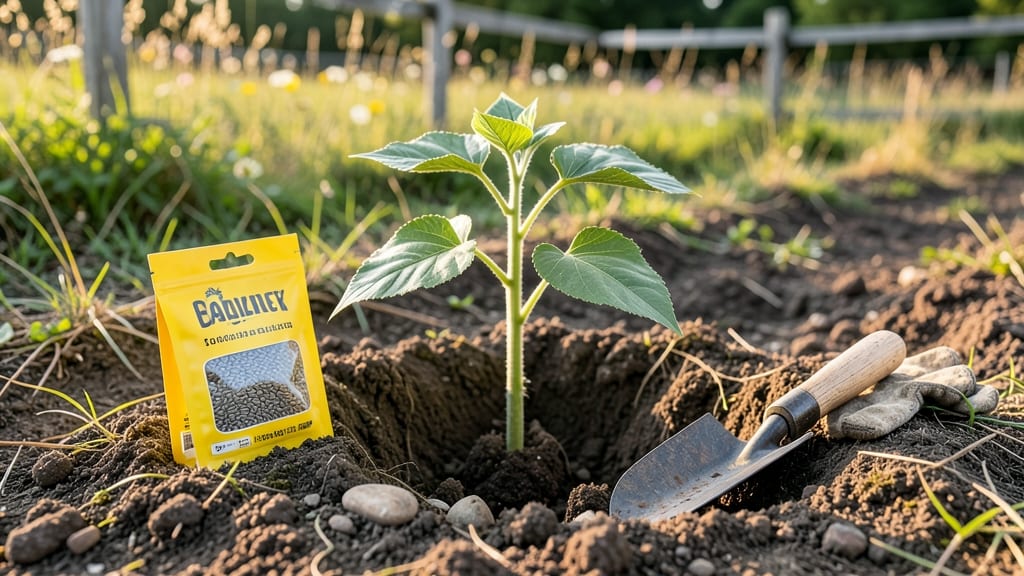
Plant sunflowers in Zone 5 after the last frost, typically mid-April to mid-May, to give them 160 frost-free days for full growth.
Sunflowers bring joy to gardens with their towering stems and cheerful blooms—but timing your planting in Zone 5’s unpredictable climate can make or break your harvest.
Get the frost-free window wrong, and you’ll either face stunted growth or late-season frost damage. The key is knowing your last frost date and soil temperature thresholds.
In this guide, I’ll break down the exact planting window, how to adjust for early or late springs, and the best varieties for fast germination in Zone 5.
Zone 5 sunflower planting timeline: exact dates for fast germination
Sunflowers thrive in Zone 5’s warm summers, but their germination speed depends on precise timing. Plant too early, and frost will kill tender seedlings. Too late, and you’ll miss the 160-day frost-free window. The key is waiting for soil temperatures above 55°F—when roots can grow actively without stress.
Most Zone 5 gardeners aim for mid-April to mid-May for spring planting, aligning with the average last frost date of mid-May. However, your exact window depends on your local microclimate. Urban areas warm faster than rural spots, while valleys stay cooler longer.
For fast germination, prioritize direct sowing over transplants—sunflowers resent root disturbance. Start seeds indoors only if you’re dealing with a late spring (after May 15), but harden off seedlings carefully to avoid shock.
Here’s your Zone 5 sunflower planting timeline broken down by critical phases:
| Stage | Action | Soil Temp | Notes |
|---|---|---|---|
| Pre-Plant Prep | Test soil pH (6.0–7.5) | — | Amend with compost if needed |
| Spring Planting | Direct sow after last frost (mid-May) | 55°F+ | 1 inch deep, 6–12" apart |
| Germination | Sprouts in 7–14 days | 60°F+ | Keep soil moist (not soggy) |
| Thinning | Remove weak seedlings (2–3 weeks) | — | Space 12–24" apart for airflow |
| Summer Planting | Sow again in July for fall blooms | 60°F+ | Avoid bolting with shade cloth |
| First Frost | Harvest seeds before mid-October | — | Dry heads indoors if needed |
If your spring runs late, don’t panic—sunflowers handle cool soils better than most summer crops. For example, 'Autumn Beauty' tolerates 45°F soil temps, while 'Russian Giant' needs 60°F+ for best results. Use a soil thermometer to check before planting.
For fast germination, soak seeds overnight in warm water to soften the outer shell. Plant in well-drained soil with a 30% compost mix to boost nutrient uptake. Avoid overwatering—sunflowers hate wet feet, which causes rot.
Pro tip: Use black plastic mulch to warm soil faster in early spring. This can shave 1–2 weeks off your germination time by raising soil temps by 5–10°F. Just remove it once seedlings emerge to prevent overheating.
Bolting (premature flowering) is a risk in Zone 5’s short season. To delay it, plant dwarf varieties like 'Teddy Bear' (50–60 days to maturity) or use shade cloth (30%) during heatwaves. Stagger plantings every 2 weeks for continuous blooms.
Remember: Zone 5’s first frost typically hits mid-October, giving you about 160 frost-free days. Choose varieties with 60–90 days to maturity to ensure blooms before cold snaps. For example, 'Moulin Rouge' matures in 55 days, while 'Mammoth' takes 120 days—perfect for early or late plantings, respectively.
How to adjust sunflower planting for Zone 5’s unpredictable weather
Zone 5’s unpredictable spring frosts and cool summer nights can throw off sunflower planting timelines. Even after the last frost, a late cold snap can damage tender seedlings, while early planting risks stunted growth from cool soil.
The key is flexibility—adjusting your approach based on soil temperature, weather forecasts, and sunflower varieties that tolerate cooler conditions.
I’ve learned that staggered planting and soil warming are my best tools for success. For example, I’ll start with a small batch of cold-hardy varieties in late April, then follow up with more seeds once the soil warms to 55°F or higher.
This way, I ensure at least some blooms before the first frost in October.
- 1. Test soil temperature before planting—wait until it reaches 55°F+ for reliable germination.
- Use black plastic mulch or row covers to warm soil and protect seedlings from late frosts.
- Plant cold-hardy varieties like 'Autumn Beauty' or 'Moulin Rouge' 2-3 weeks earlier than standard types.
- Stagger plantings every 7-10 days to extend the blooming season and ensure at least one successful batch.
- Monitor 7-day forecasts—if frost is predicted after planting, cover seedlings with frost cloth.
- For late summers, try a second planting in July to enjoy fall blooms before the first frost.
Another trick I swear by is soil warming—especially in cool, wet springs that delay planting. Lay down black landscape fabric or clear plastic over garden beds 1-2 weeks before planting.
This raises soil temperature by 5-10°F, speeding up germination and giving seedlings a head start. Just remember to remove the plastic once seeds sprout to prevent overheating.
When choosing varieties, prioritize those with shorter days to maturity (60-70 days) to account for Zone 5’s shorter growing season. For instance, 'Teddy Bear' matures in 50-55 days and handles cooler temps better than giant varieties like 'Russian Giant,' which need 120+ days.
I also opt for dwarf or semi-dwarf types—they’re less likely to flop in windy conditions and still produce abundant blooms.
If a heatwave hits early and soil dries out, water deeply but infrequently to encourage deep root growth. Sunflowers are drought-tolerant once established, but young plants need consistent moisture. I’ll water at the base of the plant in the morning to reduce evaporation and fungal risks.
Mulching with straw or wood chips helps retain moisture and keeps roots cool during hot spells.
Finally, don’t forget about fall planting for late-season color. In Zone 5, a July planting can yield blooms by September—just choose fast-maturing varieties and protect them from early frosts with row covers. With these adjustments, you’ll maximize your sunflower success despite Zone 5’s unpredictable weather patterns.