
Flowers
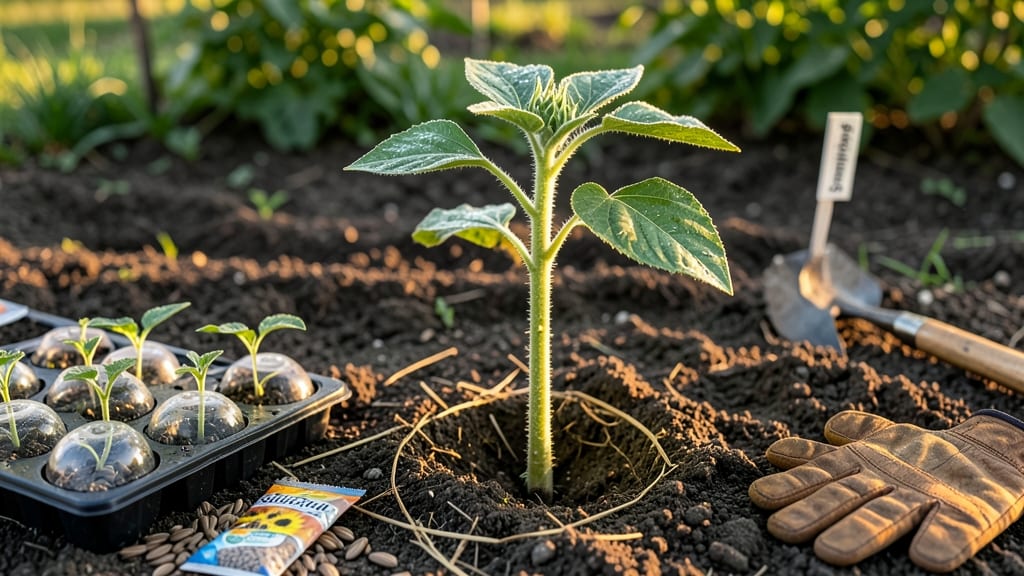
Planting sunflowers in Northern California after the last frost—typically mid-April to early June—sets the stage for bold, towering blooms that brighten up any garden.
Sunflowers bring vibrant color and joy to Northern California gardens—but planting them at the wrong time can mean wilted dreams before they even bloom. Timing is everything, especially when frost dates vary dramatically from the Bay Area to the Sacramento Valley.
Whether you're in USDA Zone 7b or Zone 9a, knowing when to start seeds indoors or directly in the ground makes all the difference. Too early, and a late frost will nip those tender sprouts.
Too late, and you might miss the long, sunny days they need to reach their full height.
In this guide, I’ll break down the exact frost-free windows for your region, soil prep tips to help them thrive, and how to stretch the blooming season from July to October—no matter where in Northern California you garden.
Northern California sunflower planting calendar by USDA Zone (frost dates & best months)
Sunflowers thrive in Northern California’s diverse climates, but getting the timing right ensures your plants grow tall and strong instead of struggling through cold snaps.
The last frost dates vary dramatically between USDA Zones 7-10, with coastal areas like San Francisco often seeing frost weeks later than Sacramento’s Valley regions. For giant varieties like 'Russian Giant' or dwarf types like 'Teddy Bear', the optimal planting window shifts based on your microclimate.
In Zone 7b (e.g., parts of the Sierra foothills), you’ll want to plant sunflowers after April 15 to avoid late frosts that can kill young seedlings. Meanwhile, Zone 9a (coastal areas like Santa Cruz) offers a longer window, with safe planting starting as early as March 1.
The key is understanding your local frost-free period, which typically runs from mid-April to early June for most of Northern California.
Direct sowing sunflower seeds is the easiest method, but if you’re starting indoors, transplant seedlings 2-3 weeks before the last frost to give them time to establish roots.
For fast-growing dwarf varieties, you can even squeeze in a late summer planting (August) for fall blooms, though they may not reach full maturity before the first frost.
Here’s a quick reference for your region’s frost dates and ideal planting windows:
| USDA Zone | Last Frost Date | Best Planting Window | Direct Sowing | Transplanting |
|---|---|---|---|---|
| 7b (Sacramento Valley) | April 15 | April 15–May 15 | Mid-April–early June | April 1–April 15 |
| 8a (Bay Area) | March 20 | March 20–May 10 | Late March–early June | March 1–March 15 |
| 9a (Coastal) | March 1 | March 1–May 31 | Early March–June | February 15–March 15 |
| 10 (Redwood Coast) | February 1 | February 1–June 15 | Early February–June | January 15–February 15 |
*Frost dates are averages; check local weather for accuracy.
For giant sunflowers, aim to plant by mid-May to ensure they have enough time to mature before the first frost in November.
These varieties need 90-120 days to reach harvest, so don’t wait too late! Dwarf and semi-dwarf varieties, like 'Autumn Beauty', are more flexible and can handle later plantings—even as late as early July—though they may not bloom as large.
If you’re in a transition zone like Zone 8b (e.g., Livermore Valley), pay close attention to microclimate shifts. Inland areas may experience unexpected late frosts in May, while coastal zones can stay frost-free until November 15.
Use row covers or black plastic mulch to warm the soil and extend your planting window by 2-3 weeks if needed.
Pro tip: Succession planting works beautifully for sunflowers. Sow seeds every 2-3 weeks from April through June to enjoy continuous blooms from July through October. This is especially useful in Zone 9a and 10, where the growing season is longer.
Just be sure to thin seedlings to 12-18 inches apart to avoid overcrowding.
Remember, sunflowers are hardy annuals that tolerate a wide range of conditions, but timing is critical for maximizing their potential. Whether you’re growing towering giants or cheerful dwarfs, aligning your planting with your local frost dates will set you up for a show-stopping summer garden. 🌻
For extra insurance, keep an eye on your local National Weather Service forecasts or use tools like the Old Farmer’s Almanac to fine-tune your planting schedule. With the right timing, your sunflowers will reward you with vibrant blooms and maybe even
How to adjust sunflower planting for Northern California’s microclimates (coast vs. valley)
Northern California’s dramatic shift from foggy coastal gardens to hot inland valleys creates a planting puzzle for sunflowers. Coastal areas like San Francisco and Santa Cruz often experience late spring frosts well into May, while Sacramento and Stockton can safely plant by early April.
These microclimates demand tailored strategies to maximize your sunflowers’ blooming potential.
On the coast, cold ocean breezes delay soil warming, so I recommend starting seeds indoors in late February or using black plastic mulch to raise soil temperatures.
Inland areas can direct-sow seeds as early as mid-March, but watch for unpredictable late frosts in Zone 8 transition areas like Napa or Sonoma. The key is matching your planting timing to your local frost history.
| Factor | Coastal (San Francisco/Santa Cruz) | Inland (Sacramento/Stockton) |
|---|---|---|
| Last Frost Date | Mid-May (Zone 9a) | Mid-March (Zone 9b) |
| Optimal Planting Window | Late April to June | Mid-March to April |
| Soil Warming Trick | Black plastic mulch or cold frames | Clear plastic row covers |
| Succession Planting | Every 2 weeks until July | Every 3 weeks until June |
| Frost Protection | Row covers until May 15 | Watch for late frosts until April 15 |
| Best Varieties | Dwarf ('Teddy Bear') or early bloomers | Tall ('Russian Giant') or heat-tolerant |
For coastal gardeners, I swear by succession planting every two weeks from late April through July. This staggered approach ensures continuous blooms when early plantings might face coastal fog delays.
In my Santa Cruz garden, I’ve extended the season by 6 weeks using this method with dwarf varieties that tolerate cooler temperatures.
Inland areas benefit from earlier planting but must guard against unexpected late frosts. I recommend planting heat-tolerant varieties like 'ProCut Hybrid' and using clear plastic row covers during April’s unpredictable nights.
These covers raise soil temperatures by 10-15°F, giving young plants a fighting chance against Zone 8 transition frosts.
Both regions can extend blooming seasons with fall planting. Coastal areas can try late summer sowings (August), while inland gardeners can plant until mid-September.
Just remember: sunflowers need 60-85 days to mature, so time your fall plantings accordingly. My Stockton garden produced October blooms from September plantings last year!
Pro tip: Monitor local weather using NOAA frost alerts or apps like PlantNet. These tools help you adjust planting dates when unusual weather patterns throw off your usual schedule. With these microclimate adjustments, you’ll enjoy sunflowers blooming from spring to fall across Northern California’s diverse landscapes. 🌻