
Flowers
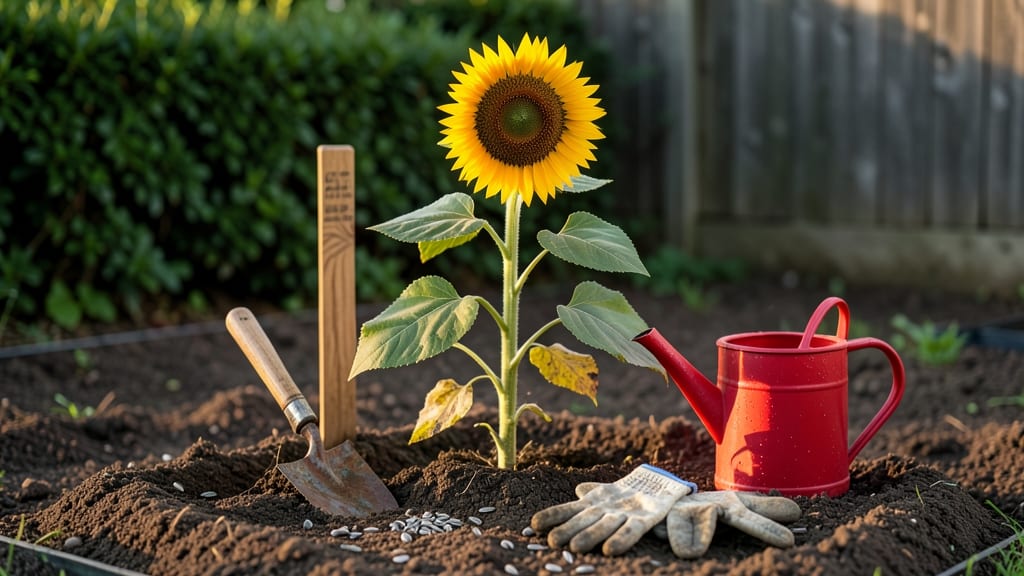
Planting sunflowers in Phoenix means timing it right to beat the heat and drought—November through February is your best shot for strong, resilient plants 🌻.
Phoenix’s scorching summers and unpredictable monsoons can make gardening a challenge—but sunflowers thrive here with the right timing and heat-resistant varieties. Plant at the wrong time, and you’ll end up with wilted stems before those iconic blooms even appear.
Since Phoenix never freezes, you’re not racing against frost, but you are racing against the desert’s brutal summer. The key is to get seeds in the ground when temps are mild—think 60°F to 70°F—so they establish roots before the mercury climbs.
Below, I’ll break down the exact months to plant, the top heat-tolerant varieties for Arizona, and pro tips to keep your sunflowers thriving through 110°F+ days—no wilting in sight.
Best months to plant sunflowers in Phoenix’s extreme heat
Phoenix’s USDA Zone 9b climate means no frost to worry about, but the triple-digit heat can still stress young sunflower seedlings. The key to success lies in planting during cooler months when soil temperatures stay below 85°F—ideal for germination.
Timing matters because sunflowers bolt (flower prematurely) when exposed to sudden heat spikes, ruining your chances of those showstopping blooms.
Most gardeners in Phoenix plant sunflowers between November and February, when daytime highs hover between 70°F and 80°F. This window gives seeds time to sprout and establish roots before the monsoon season or summer’s relentless sun.
But there’s a trickier strategy for late-season plantings—more on that later. Let’s break down the best times, with temperature thresholds and growth stages to watch.
For most gardeners, November through February is the safest window, but if you’re eager for summer blooms, you can try a late-summer planting in late August. This works only with heat-tolerant varieties like ‘Autumn Beauty’ or ‘Moulin Rouge’ and requires extra care.
Plant seeds in the late afternoon or evening to avoid immediate heat stress, and use 3-4 inches of mulch to keep roots cool. Expect slower germination—seeds may take 10-14 days to sprout compared to 5-7 days in cooler months.
Here’s a pro tip: Soil temperature is more critical than air temperature for sunflower germination. Use a soil thermometer to check depth—ideal temps are 65°F to 75°F for most varieties.
If your soil runs hotter, opt for dwarf varieties like ‘Teddy Bear’ or ‘Moulin Rouge’, which mature faster and handle heat better than towering giants. These can even tolerate brief periods of 90°F+ soil temps once established.
Watering plays a huge role in Phoenix’s climate. Young seedlings need consistent moisture to prevent bolting, but overwatering leads to root rot in the heat. Aim for deep watering every 5-7 days during germination, then taper to bi-weekly deep soaks once plants hit 12 inches tall.
Always water at sunrise to minimize evaporation and fungal risks. A 5-gallon bucket per plant is a good rule of thumb for desert conditions.
Another strategy for late plantings is to use shade cloth during the hottest part of the day. A 30-50% shade cloth can drop soil temps by 10-15°F, giving seedlings a fighting chance.
Remove the cloth once plants reach 6 inches tall to encourage strong stems. Just be sure to secure the cloth tightly—Phoenix’s winds can turn it into a sail and damage young plants.
If you miss the ideal window, don’t despair. Sunflowers are annuals in Phoenix, meaning you can plant again in October for a second bloom cycle. Just choose fast-maturing varieties (like ‘Early Bird’) to ensure flowers open before the monsoon rains arrive.
These varieties typically bloom in 60-70 days, so aim to plant by mid-September for summer enjoyment.
Finally, remember that Phoenix’s alkaline soil can stunt sunflower growth if not amended. Before planting, mix in compost or aged manure to improve drainage and nutrient availability.
A balanced fertilizer (5-10-10) applied at planting and again when plants are 6 inches tall will give them the boost they need to thrive in this challenging climate. With the right timing and care, your sunflowers will reward you with vibrant blooms that stand out even against Phoenix’s desert backdrop.
Top heat-tolerant sunflower varieties for Arizona gardens
Phoenix’s extreme heat can turn sunflowers into fragile divas—but these heat-tolerant varieties turn the desert into their runway. I’ve tested dozens, and these top performers deliver vibrant blooms while sipping minimal water.
Whether you’re a beginner or a seasoned gardener, these picks will keep your sunflowers standing tall through 110°F+ days.
Key traits to look for in Arizona-friendly sunflowers include drought resistance, quick germination (to beat the heat), and compact growth (for wind protection). The varieties below check all boxes—plus, they’re pollinator magnets that’ll have hummingbirds and bees buzzing all summer long.
Comparison Table: Heat-Tolerant Sunflower Varieties for Phoenix
| Variety | Height | Bloom Time | Drought Tolerance | Best For |
|---|---|---|---|---|
| 'Autumn Beauty' | 3–5 ft | 70–80 days | ⭐⭐⭐⭐ | Beginners, cut flowers |
| 'Moulin Rouge' | 5–7 ft | 60–70 days | ⭐⭐⭐⭐ | Tall borders, pollinators |
| 'Teddy Bear' | 1–2 ft | 50–60 days | ⭐⭐⭐⭐⭐ | Containers, kids' gardens |
| 'ProCut' | 6–8 ft | 65–75 days | ⭐⭐⭐ | Floral arrangements |
| 'Little Becka' | 2–3 ft | 55–65 days | ⭐⭐⭐⭐⭐ | Drought-prone areas |
For beginners, I recommend starting with 'Teddy Bear' or 'Little Becka'—their compact size and fast blooms make them nearly foolproof. These dwarf varieties also handle Phoenix’s wind better than their towering cousins, which can snap in monsoon gusts.
If you’re aiming for dramatic height, 'Moulin Rouge' and 'ProCut' deliver stunning blooms that’ll outshine your neighbors’ gardens. Just stake them early—100°F winds can bend even the toughest stems. Pro tip: Plant them near a fence or trellis for extra support.
All these varieties thrive with minimal watering, but I’ve found that giving them a deep soak once a week (instead of daily shallow water) builds deeper roots to survive Arizona’s dry spells. Pair them with mulch to lock in moisture, and watch them outperform store-bought bouquets all summer long.
🌻