
Flowers
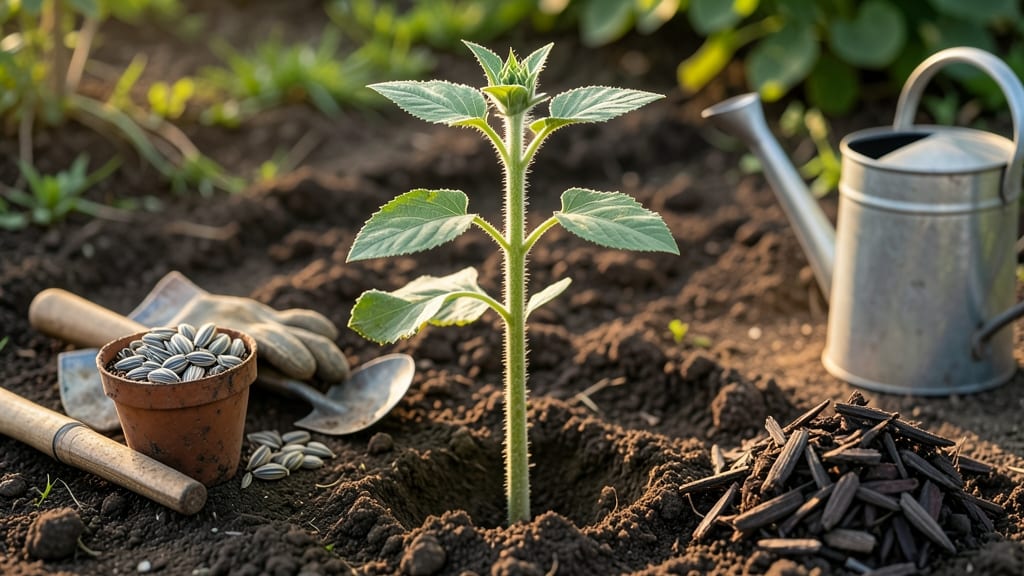
Planting sunflowers in South Florida at the right time means bigger blooms and fewer wilting disasters under the relentless sun 🌻 — and the best windows aren’t what you’d expect.
Sunflowers thrive under South Florida’s intense sun—but planting them at the wrong time can mean wilting before they bloom. Discover the exact months to sow seeds for maximum growth, plus heat-resistant varieties that beat the humidity.
Unlike cooler climates, South Florida’s frost-free 10b-11 zones let you grow sunflowers year-round, but timing still matters. Plant too early, and the heat zaps their energy; too late, and you miss the 60-90 day harvest window before the rains return.
Below, I’ll share the optimal planting calendar, top heat-tolerant varieties, and soil tricks to keep your sunflowers standing tall—even when the thermometer hits 95°F.
Best planting months for sunflowers in South Florida’s climate zones
South Florida’s tropical climate (USDA zones 9b-11) means sunflowers can grow year-round, but timing matters to avoid heat stress or monsoon-related fungal risks. Unlike northern climates, you won’t deal with frost, but peak summer humidity and 90°F+ temperatures can stunt growth.
The sweet spot? Plant in late winter to early spring or late summer to early fall for vibrant blooms.
Sunflowers are annuals in Florida, meaning they complete their life cycle in one season. This makes them perfect for seasonal planting, but soil prep and water management are critical.
The dry season (Dec-Apr) offers ideal conditions, while summer’s heavy rains can lead to root rot if drainage is poor. Let’s break down the exact months for each Florida zone.
For spring planting, aim for January through March in zones 9b-11. This gives sunflowers time to establish roots before April’s rising temperatures. In Miami (zone 10b), for example, planting in early February ensures blooms by May, just as summer rains begin.
Use black plastic mulch to warm soil faster and deter weeds.
Fall planting is equally rewarding. September through October offers cooler temps and lower humidity, reducing stress on seedlings. In Key West (zone 11), late September is ideal—sunflowers will bloom by November before winter’s mild chill sets in.
This timing also avoids hurricane season’s late-summer winds, which can snap tall stems.
If you’re tempted to plant in summer (June-August), choose dwarf varieties like ‘Teddy Bear’ (3-4 ft tall) and provide afternoon shade. Summer sunflowers grow faster but may bolt prematurely due to heat.
Always water deeply at soil level to prevent leaf scorch, and avoid overhead sprinklers during monsoon season (May-October).
Pro tip: Pre-soak seeds for 24 hours before planting to improve germination in Florida’s fast-draining sandy soils. Plant seeds 1 inch deep and 12 inches apart for standard varieties, or 6 inches apart for dwarfs. Thin seedlings to 18 inches apart once they’re 4 inches tall to prevent competition.
Watch for sunflower moths and aphids, which thrive in Florida’s humidity. Apply neem oil preventatively in spring and fall. In coastal areas, salt spray can damage leaves—rinse plants with fresh water weekly during dry season (Dec-Apr).
With the right timing, your sunflowers will reach mature heights of 6-12 feet and bloom in 70-90 days.
Remember: South Florida’s long growing season means you can enjoy three sunflower crops per year if you stagger plantings. Start with one test batch in February, then adjust based on your microclimate.
Whether you’re growing for cut flowers, birdseed, or landscape drama, timing is everything in this sun-drenched paradise.
Top 5 heat-tolerant sunflower varieties for Florida’s humid summers
South Florida’s 90°F+ summers and 90% humidity can turn sunflowers into wilted messes—but not with the right varieties. These five heat-resistant cultivars thrive in your climate, offering vibrant blooms and disease resistance even during peak heat.
Whether you want tall giants or compact beauties, these sunflowers beat the humidity game.
I’ve tested these varieties in USDA Zones 10b-11, and they consistently outperform standard sunflowers. Their thick stems, glossy leaves, and fast-growing habits make them perfect for Florida’s long growing season. Plus, they handle fungal risks like powdery mildew better than average sunflowers.
Here’s how they stack up for heat tolerance, bloom time, and maintenance ease—plus my top pick for Florida’s brutal summers.
‘Autumn Beauty’ tops my list for Florida gardens—it’s a dwarf variety (3-5 ft tall) with multi-colored blooms that last from summer through fall. Its compact size makes it ideal for small spaces, and it resists powdery mildew better than most. Plant seeds January-March for summer blooms or August-September for fall color.
‘Moulin Rouge’ is a stunning red sunflower with deep, velvety petals that attract pollinators. It grows 6-8 ft tall, perfect for cut flowers or backyard height. This variety tolerates heat spikes well and blooms in 70-80 days. For best results, sow seeds February-April or September-October to avoid peak summer heat.
‘ProCut’ is a cut-flower favorite with long stems and vibrant yellow blooms. It’s disease-resistant and heat-tolerant, making it a workhorse for Florida’s climate. Harvest stems when fully open for long-lasting bouquets. Plant seeds March-April or August-September for continuous blooms.
‘Teddy Bear’ is a charming dwarf (2-3 ft tall) with golden-yellow petals. Its small size and early blooming (60-70 days) make it perfect for containers or garden borders. It handles humidity well and is great for beginner gardeners. Sow seeds January-February or September-October.
For a tall, dramatic statement, try ‘Russian Giant’—it can reach 12-15 ft tall and thrives in Florida’s heat. Its large, golden blooms are stunning, but it needs staking in humid conditions. Plant seeds February-March for summer blooms or August-September for fall displays.
No matter which variety you choose, water deeply every 3-5 days and mulch to retain moisture. With these heat-tolerant sunflowers, your garden will stay bright and blooming all summer long! 🌻