
Flowers
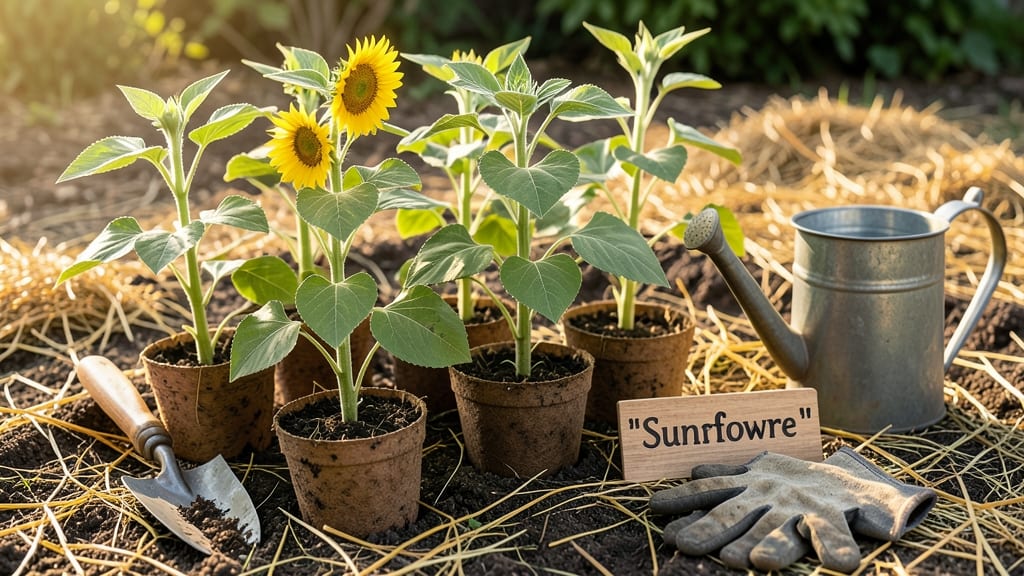
To plant sunflowers in the ground at the right time means catching that sweet spot between frost and summer heat — ideally after your last frost date when soil warms to 55-60°F.
🌻 Picture this: you’ve waited all winter for those towering sunflower blooms, only to watch them wilt before they even open because you planted too early. Or worse, you miss the window entirely and end up with sad, leggy stems that never reach their full potential.
The good news? With a few simple tricks, you can nail the timing every year.
Most gardeners in USDA Zone 6a (like me!) should aim for mid-April to early May, but your exact window depends on soil temperature, not just the calendar. Cold soil slows germination to a crawl, while waiting too long risks stunted growth before harvest.
I’ll show you how to test soil warmth the easy way and adjust your schedule for faster, stronger sunflowers.
By the end, you’ll know exactly when to pop those seeds in the ground for fast germination, how to spot the signs of perfect planting conditions, and even how to salvage a late start.
No more guesswork — just sunflowers that grow tall, bloom bright, and reward you with cheerful heads from August through October.
Optimal planting times for sunflowers by US hardiness Zones
Timing your sunflower planting is everything—these fast-growing beauties need warm soil and long daylight to reach their full potential. In cooler climates like USDA Zone 3, wait until after the last frost when soil hits 55°F+.
Meanwhile, gardeners in Zone 11 can plant as early as February to beat summer heat. Let’s break down the perfect windows for each zone to ensure your sunflowers grow tall and proud.
Sunflowers thrive when planted after the soil warms to 55-60°F, but the exact timing varies wildly across the country. In northern zones (3-6), aim for late April to mid-May when frost risk fades.
Southern zones (7-11) can start as early as February or March, but avoid planting in sweltering summer months—heat stress slows germination. Below, find your zone’s ideal window and regional tweaks to maximize blooms.
Pro Tip: Use a soil thermometer to confirm readiness—55°F is the magic number for germination. If your soil is cooler, try black plastic mulch or a cold frame to warm it faster. For dwarf varieties, you can plant slightly earlier, but standard sunflowers need that warm soil to avoid leggy, weak stems.
| USDA Zone | Frost-Free Date Range | Ideal Planting Window | Soil Temp Threshold | Regional Notes |
|---|---|---|---|---|
| 3-4 | Mid-May to early June | Late May to early June | 55-60°F | Short growing season; choose early-maturing varieties (50-60 days). |
| 5-6 | Early May to mid-May | Late April to early May | 55-60°F | Classic sunflower country! Plant after last frost for 70-90 day varieties. |
| 7-8 | Mid-March to early April | March to early April | 60-65°F | Humid climates may need spacing adjustments to prevent mildew. Succession plant every 2 weeks. |
| 9-10 | January to February | February to early March | 65-70°F | Avoid summer planting—heat stress causes bolting issues. Use shade cloth if needed. |
| 11 | Year-round (no frost) | February or September | 70-75°F | Plant in fall for winter blooms or spring for summer heat escape. |
In Zones 3-4, where winters linger, focus on early-maturing varieties like ‘Teddy Bear’ (50 days) to beat frost. These zones have the shortest growing seasons, so time your planting to avoid late summer frosts that can damage blooms.
For Zones 5-6, classic varieties like ‘Mammoth’ (120 days) thrive when planted in late April, giving them plenty of time to mature before frost.
Southern gardeners in Zones 7-11 have more flexibility but must watch for heat stress. Plant in early spring (March) or fall (September) to avoid scorching summer temps.
In Zone 11, you can even grow sunflowers as a winter crop—just plant in September for blooms in late winter or early spring. This trick works especially well for dwarf varieties like ‘Sunspot’.
Don’t forget: Succession planting is key for continuous blooms. In Zones 5-10, sow seeds every 2-3 weeks from spring to early summer. This ensures you’ll have sunflowers in bloom from July through October.
For Zones 3-4, limit to 2 plantings max—any later, and your sunflowers won’t mature before frost.
If you’re unsure about your last frost date, check the USDA Plant Hardiness Zone Map or use local weather apps like Old Farmer’s Almanac. For extra insurance, use row covers in early spring to protect young seedlings from unexpected frosts. With the right timing, your sunflowers will
Soil temperature secrets for faster sunflower germination
Sunflower seeds need the right soil temperature to germinate quickly and grow strong. If your soil is too cold, seeds may rot or take weeks to sprout. The ideal range for sunflower germination is 55-60°F, where you’ll see sprouts in just 7-14 days.
Testing your soil temperature before planting can save you from waiting months for blooms.
Many gardeners skip this step, but knowing your soil’s warmth level is the secret to faster germination. Cold soil delays growth, while warm soil kickstarts those cheerful sunflower faces in record time. Let’s explore how to check your soil temperature and what to do if it’s not quite ready.
- 🌡️ Test soil temp with a moisture meter or seedling heat mat (ideal: 55-60°F)
- Warm cold soil with black plastic mulch or compost (adds 5-10°F faster)
- Use seedling trays indoors if soil is below 50°F (place near sunny window)
- Plant deeper (1.5") in cool soil (extra moisture helps germination)
- Avoid planting if soil is below 50°F (seeds may rot instead of sprout)
If your soil is too cool, don’t panic—there are simple ways to warm it up. Spread a layer of black plastic mulch over the planting area a few days before sowing to absorb sunlight and raise temperatures. Alternatively, mix in well-aged compost, which naturally heats up as it decomposes.
For extra warmth, use a seedling heat mat under your seed trays. These plug-in mats keep soil at the perfect 60-65°F range, speeding up germination by up to 50%. Just place your seeds on the mat, cover with soil, and watch them sprout in days instead of weeks.
Once your soil hits the ideal 55-60°F range, plant your sunflower seeds 1 inch deep and 6 inches apart. Water gently to settle the soil, but avoid overwatering—sunflowers hate soggy roots. With the right soil temperature, you’ll see those first tiny green shoots in just 7-10 days.
If your soil stays stubbornly cold, consider starting seeds indoors under grow lights. Once the last frost date passes and soil warms, transplant your seedlings outdoors for a head start on the season. With these tricks, you’ll have towering sunflowers blooming in no time! 🌻