
Plants
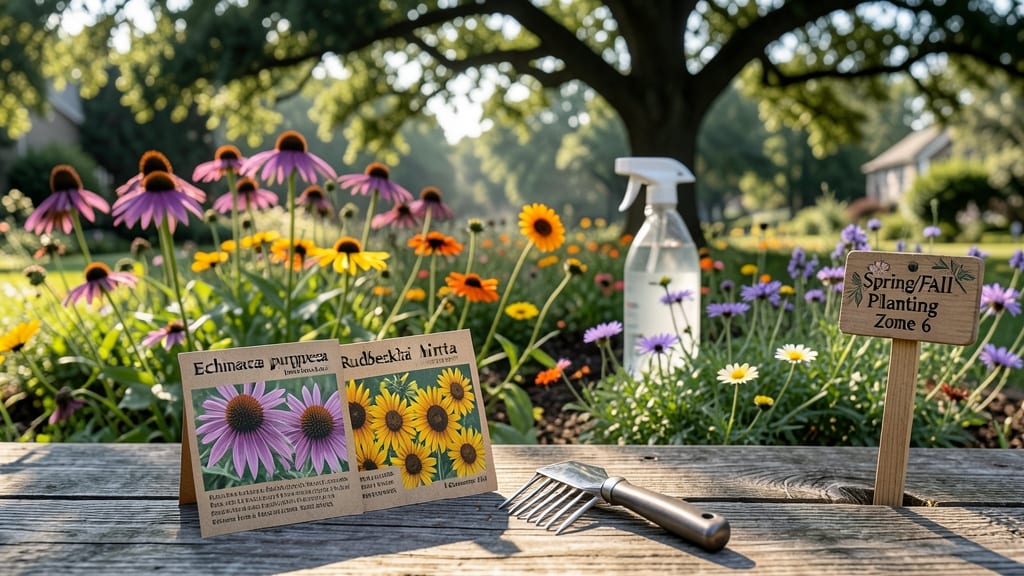
Planting wildflower seeds in Connecticut at the right time means the difference between a blooming meadow 🌼 and a patch that barely takes hold — and the best windows are early spring or early fall, depending on your microclimate.
Timing matters more than you might think. Coastal areas like New Haven can start as early as March, while inland zones like Hartford wait until April to avoid late frosts. Get it wrong, and you’re fighting humidity, soil compaction, or a second wave of weeds.
Below, I break down the exact months for Connecticut’s three key zones, how to prep soil for each, and the one trick that boosts germination rates by 30%—no matter where you live in 5b-6b.
You’ll also find the best seed mixes for your zone, when to mulch (and when to skip it), and how to adjust for those tricky transition months like May or September.
Best planting months for wildflowers in Connecticut’s 3 key microclimates
Connecticut’s diverse microclimates create unique challenges for wildflower planting. Coastal areas like New London experience milder winters, while inland Hartford faces sharper frost cycles, and highland regions like Litchfield Hills have cooler temperatures year-round. Understanding these zones helps you choose the perfect planting window for maximum germination success.
For coastal Connecticut (USDA zones 6b-7a), aim for early spring planting in March or April when soil temperatures reach 50°F. This timing aligns with the region’s later frost dates and higher humidity, creating ideal conditions for seed germination.
Coastal areas also benefit from fall planting in September to establish roots before winter rains arrive.
Inland zones (USDA zones 5b-6a) thrive with fall planting in September or October, allowing seeds to germinate before the first frost. Spring planting here should wait until mid-April when soil temperatures consistently stay above 45°F. The inland climate’s drier summers make early establishment critical for drought tolerance.
Highland regions like Litchfield Hills (USDA zone 5b) require later spring planting in late April or August-September due to their cooler temperatures. These areas benefit from heavy mulching to insulate seeds during colder nights. The shorter growing season means fall planting must occur earlier to allow root establishment before frost.
Before planting, prepare your soil by removing weeds and loosening the top 2 inches of soil. Coastal areas may need sand amendments for better drainage, while inland zones benefit from compost additions to retain moisture.
Highland regions should incorporate organic matter to improve cold soil fertility. Always test your soil’s pH level—wildflowers prefer 6.0-7.0.
For all zones, spring planting should occur after the last frost date (typically mid-April). Check the CT Agricultural Experiment Station for your specific region’s frost predictions. If planting in fall, aim for 6-8 weeks before first frost to ensure seeds germinate before winter sets in.
After sowing, maintain consistent moisture for the first 4-6 weeks—this is critical for germination. Use a light mulch layer (like straw) to retain moisture and suppress weeds. Avoid heavy watering once established, as most wildflowers are drought-tolerant once roots develop.
Remember that native wildflower mixes perform best in Connecticut’s climate. Choose blends that include black-eyed Susans, coneflowers, and purple coneflowers—these thrive across all microclimates. For coastal areas, add beach grass and saltmarsh wildflowers to your mix for extra resilience.
By aligning your planting with Connecticut’s three distinct microclimates, you’ll create a vibrant, low-maintenance meadow that attracts pollinators and thrives year after year. Start with small test plots to determine which timing works best for your specific location—your wildflower dreams will bloom sooner than you think! 🌼
How Connecticut’s microclimates affect wildflower germination success
Connecticut’s wildflower success hinges on understanding its three distinct microclimates: coastal, inland, and highland zones. Each has unique frost dates, humidity levels, and soil conditions that shift optimal planting windows by 2-4 weeks.
Coastal areas like New London enjoy milder winters, while inland Hartford faces earlier frosts. These differences mean your wildflower seeds planted in March near the shore might struggle if sown inland without adjustments.
The key factor is soil temperature. Coastal regions warm faster in spring, allowing early March planting for species like black-eyed Susan (Rudbeckia hirta). Inland areas, however, need to wait until mid-April when soil reaches 50°F consistently.
This 2-week delay prevents seed rot in cooler soils. Highland zones like Litchfield Hills often require fall planting (September-October) to establish roots before winter.
| Microclimate Zone | Optimal Planting Window | Key Soil Temp Requirement | Humidity Impact | Frost Date Adjustment |
|---|---|---|---|---|
| Coastal (Zone 6b) | Early March - April | 45-50°F | Higher humidity | 2 weeks earlier |
| Inland (Zone 5b-6a) | Mid-April - May | 50-55°F | Moderate | Standard timing |
| Highland (Zone 5b) | September - October | 55-60°F | Lower humidity | 4 weeks earlier |
Humidity plays a surprising role in germination rates. Coastal areas like Groton experience 70%+ humidity in spring, which can lead to fungal issues if seeds aren’t pre-treated. I recommend soaking seeds for 24 hours before planting in these zones.
In contrast, inland Farmington sees 50-60% humidity, where seeds benefit from light mulching to retain moisture without suffocating sprouts. This 20% humidity difference directly impacts how often you’ll need to water new seedlings.
Don’t overlook frost dates—they’re your planting calendar. Coastal Connecticut’s last frost typically occurs 2-3 weeks earlier than inland areas. This means black-eyed Susans planted in late February near Stonington might bloom by June, while the same seeds planted inland in early March won’t emerge until May.
For highland zones, aim for September planting to give roots time to establish before the November frost hits.
My best advice? Start with a test patch in your specific microclimate. Plant a small section of coreopsis seeds in both spring and fall to observe which timing works best. Note how quickly they sprout and how long they bloom—this data will become your personalized planting guide for future seasons.
For coastal gardeners, early spring wins; inland gardeners should lean toward fall for best results.
Remember, Connecticut’s USDA Zones 5b-6b create these microclimate puzzles, but understanding them turns your wildflower dreams into reality. With the right timing, you’ll see vibrant blooms from May through September, regardless of where you live in the state. Happy planting! 🌼