
Plants
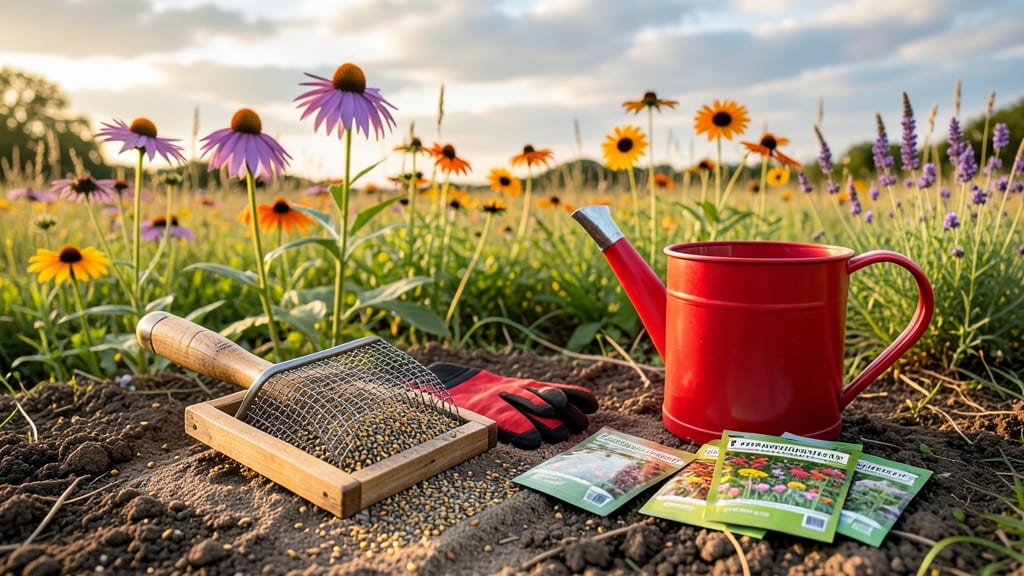
Planting wildflower seeds in Missouri at the right time ensures vibrant blooms and long-lasting meadows 🌼 — aim for early spring or fall, when soil temps and moisture align perfectly with seed needs.
Missouri’s diverse microclimates—from humid river valleys to dry western plains—mean wildflower planting timing can make or break your meadow’s success. Get the exact windows for optimal blooms and long-term growth, tailored to your region.
Fall planting is the game-changer for Missouri wildflowers, letting seeds overwinter and emerge strong in spring. But if you’re in the northern 5b zone, timing shifts slightly compared to the warmer 6a areas.
Below, I’ll break down the perfect planting schedule by zone, soil prep tricks for Missouri’s clay-heavy soils, and the best native varieties—like coneflowers and black-eyed Susans—that thrive with minimal fuss.
Best planting months for Missouri wildflowers by USDA hardiness Zone
Missouri spans USDA Zones 5a through 7b, creating distinct planting windows for wildflowers. Fall planting (September-October) is ideal for most regions, but early spring (March-April) works too—especially in colder northern zones like 5a. Native species like eastern coneflower (Echinacea) and black-eyed Susan (Rudbeckia) thrive when planted during these cooler months, avoiding summer heat stress.
In Zone 5a (northwest Missouri), aim for late August to early September to beat early frosts. Warmer Zone 7b (southern Missouri) allows planting until mid-October. Spring planting should happen 4-6 weeks before last frost—typically by March 15 in northern areas and April 1 in southern zones.
Why fall? Cooler soil temperatures reduce seed dormancy risks, while natural winter rains help germination. Spring planting requires consistent moisture to prevent drying out before roots establish.
| USDA Zone | Best Planting Window | Key Species | Soil Temp Goal |
|---|---|---|---|
| 5a (NW MO) | Late Aug - Early Sep OR Early Mar - Mid-Apr |
Coneflower, Blazing Star | 50-60°F |
| 5b-6a (Central MO) | Mid-Sep - Early Oct OR Mid-Mar - Late Apr |
Black-eyed Susan, Purple Coneflower | 55-65°F |
| 6b-7a (SW MO) | Late Sep - Mid-Oct OR Late Mar - Early May |
Wild Bergamot, Butterfly Weed | 60-70°F |
| 7b (SE MO) | Mid-Oct - Early Nov OR Early Apr - Mid-May |
Coreopsis, Gayfeather | 65-75°F |
For Zone 5a gardeners, prioritize fall planting—spring seeds may rot if soils stay wet too long. In Zone 7b, extend fall planting until mid-November if rains are forecasted. Always check soil temperatures (use a soil thermometer) to confirm readiness—aim for 50-70°F depending on your zone.
Missouri’s western plains (Zone 6a) benefit from early fall planting to capitalize on autumn rains. Meanwhile, Ozark regions (Zone 5b) should plant 1-2 weeks earlier than central Missouri to avoid early frosts. Test soil moisture before planting—dry conditions require pre-watering.
Pro tip: Mix wildflower seeds with a light layer of compost before scattering. This improves seed-to-soil contact and retains moisture. Press seeds lightly into the soil (no deeper than ¼ inch) for best germination rates.
After planting, mulch lightly with straw or leaves to protect seeds from drying winds or heavy rains. Remove mulch once sprouts appear (2-4 weeks later). Water deeply but infrequently—overwatering causes seed rot.
For maximum blooms, plant perennial wildflowers like bee balm or wild bergamot in fall—they establish deeper roots before winter. Annuals like cosmos can handle spring planting but may bolt in summer heat.
Missouri’s last frost dates vary by 10-14 days between north and south. Use local weather data to adjust planting dates. Save seeds from your best-performing flowers for next year’s garden!
How Missouri microclimates affect wildflower seed germination timing
Missouri’s diverse microclimates create unique challenges for wildflower germination. The Ozark Mountains stay cooler longer, while the Bootheel region warms up faster in spring. These differences shift ideal planting windows by 2-4 weeks across the state. Understanding your local conditions ensures your seeds sprout when moisture and temperatures align perfectly.
Soil temperature is the critical factor for germination. Most Missouri wildflower seeds need 45-60°F soil temps to sprout consistently. In northern Missouri (zones 5a-5b), this typically occurs in mid-April, while southern regions (zones 6a-7a) hit these temperatures by early March.
Rainfall patterns also play a role—dry western areas benefit from fall planting when natural moisture persists.
| Microclimate Region | Ideal Planting Window | Soil Temp Threshold | Rainfall Consideration |
|---|---|---|---|
| Northern Ozarks (5a-5b) | Late April - Early May | 50-55°F | Spring rains reliable |
| Central Missouri (6a) | Early April or September | 45-50°F | Fall moisture better |
| Bootheel (7a) | Mid-March or August | 50-55°F | Summer drought risk |
| Western Plains (6b) | September-October | 55-60°F | Fall planting essential |
Elevation changes create microclimate pockets even within short distances. A 1,000-foot elevation gain in the Ozarks can delay spring planting by 2-3 weeks. For example, Springfield's 1,200-foot elevation makes early April planting ideal, while St. Louis' 400-foot elevation allows March planting.
Always check local frost dates—late frosts in higher elevations can damage young seedlings.
Rainfall patterns differ dramatically across Missouri. The Bootheel's humid climate receives 50+ inches annually, while western regions get 30 inches or less. In dry areas, fall planting takes advantage of natural moisture before summer droughts.
Use a rain gauge to monitor soil moisture—seeds need consistent dampness to germinate, but standing water causes rot.
For maximum success, test your soil's moisture retention before planting. Amend heavy clay soils with compost or sand to improve drainage, while sandy soils benefit from organic mulch to retain moisture.
Native wildflowers like coneflowers and black-eyed Susans adapt well to local conditions once established, but proper timing gives them the best start.
Remember: Fall planting in Missouri often yields better results than spring. Seeds germinate in cool fall temperatures, establish roots before winter, and bloom vigorously the following year. This strategy works especially well in drier western regions where spring rains can be unreliable.