
Plants
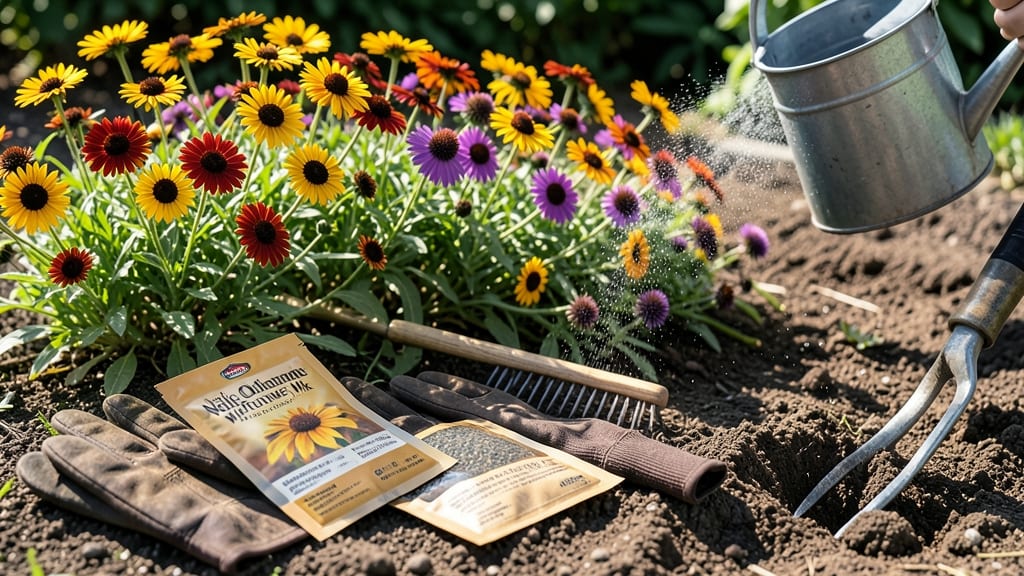
Planting wildflower seeds in Oklahoma at the right time means the difference between a vibrant meadow and a patch of dirt.
Oklahoma’s unpredictable weather can make wildflower gardening tricky—but timing your planting just right ensures vibrant blooms from spring to fall. Whether you’re in Zone 6b or Zone 8a, the best months to sow seeds are late winter to early spring (February–April) or late summer to early fall (August–September).
Why does this matter? Wildflowers like black-eyed Susans and Indian paintbrush thrive when planted before the heat peaks or after summer’s harshest stretch. Miss the window, and you risk drought stress or seeds washing away in sudden rains.
Below, I’ll break down the best months by USDA zone, how to prep your soil for Oklahoma’s alkaline conditions, and which native varieties bloom longest. Ready to transform your yard into a pollinator paradise?
Best planting months for Oklahoma wildflowers by USDA Zone
Oklahoma’s diverse USDA zones 6b through 8a create unique challenges—and opportunities—for wildflower enthusiasts. The key to success lies in planting at the right time, whether you're in the cooler Panhandle (Zone 6b) or the warmer Southeast (Zone 8a).
Wildflowers thrive when sown during two ideal windows: early spring and late summer, but timing varies by zone to avoid frost or extreme heat.
For spring planting, aim for February to April in most zones, while fall planting (August to September) offers a second chance for blooms. Microclimates—like urban heat islands or rural wind exposure—can shift these windows by 2-4 weeks.
Let’s break down the best months for each zone to ensure your wildflowers establish strong roots before summer’s intensity.
Pro Tip: Always check your local last frost date (typically March 15 in Zone 6b to April 1 in Zone 8a) and first frost date (November 1 to December 1) for precise timing.
| USDA Zone | Best Spring Planting Month | Best Fall Planting Month | Key Considerations |
|---|---|---|---|
| 6b (Panhandle) | Late March - Early April | Mid-August - Early September | Avoid early spring frost; use row covers if needed. |
| 7a (Northwest) | Early March - Mid-April | Late August - Early September | Soil may still be cold; water lightly until temperatures rise. |
| 7b (Central) | Mid-February - Early April | Late July - Early September | Ideal for mixed wildflower meadows; prepare soil in fall for spring. |
| 8a (Southeast) | January - February | September - Early October | Longer growing season; fall planting avoids summer heat stress. |
Adjust 1-2 weeks earlier for urban areas (warmer microclimates) or later for rural windy sites.
In Zone 6b (Panhandle), where winters are harsher, focus on late March to early April for spring planting. The soil may still feel cold, so consider a light mulch to retain warmth.
For fall planting, mid-August to early September gives seeds time to germinate before cooler weather sets in. This zone benefits from cool-season wildflowers like bluebonnets and lupines.
Moving to Zones 7a and 7b (Central Oklahoma), the window expands slightly. Early March is safe for spring planting, but avoid sowing too early—soil temperatures below 50°F can delay germination. Fall planting in late August ensures seeds establish roots before winter.
These zones are perfect for mixed wildflower blends, including black-eyed Susans and coneflowers.
For Zone 8a (Southeast Oklahoma), where winters are milder, you can plant as early as January for spring blooms. However, fall planting in September is ideal—it avoids the brutal summer heat and provides a head start for next year’s growth.
This zone supports heat-loving wildflowers like blanket flower and coreopsis, which thrive in warmer microclimates.
Don’t overlook microclimates—urban areas like Oklahoma City can be 5-10°F warmer than rural spots, shifting planting windows by 1-2 weeks earlier. Conversely, windy plains may require later planting to prevent seed erosion. Always observe your specific site’s conditions before committing to a schedule.
After choosing your planting window, prepare the soil by removing weeds and lightly raking to create a fine seedbed. Wildflower seeds need good soil contact but shouldn’t be buried deeper than 1/4 inch.
Water gently to settle seeds, then maintain consistent moisture (but avoid soggy soil) until germination, which typically takes 7-21 days depending on the species and temperature.
For best results, combine spring and fall plantings to extend your wildflower season. Spring-sown seeds will bloom in late spring to summer, while fall-sown seeds often produce early spring blooms. This strategy ensures your garden stays vibrant from March through November, attracting pollinators year-round.
🌼
Fall planting vs. spring planting: which works better in Oklahoma?
Deciding between fall planting and spring planting for wildflowers in Oklahoma can feel overwhelming, especially with our unpredictable weather patterns. Both seasons offer unique advantages, but understanding germination rates, drought resilience, and bloom timing helps you choose wisely for your USDA Zone 6b-8a garden.
Oklahoma’s hot summers and variable rainfall make timing critical. Fall planting often yields stronger root systems before winter, while spring planting aligns with natural rainfall cycles. Let’s break down the pros and cons to help you decide which approach works best for your Oklahoma landscape.
Fall Planting in Oklahoma
| Pros | Cons |
|---|---|
| 🌱 Stronger root growth before winter dormancy | ❄️ Limited germination window before first frost |
| ☀️ Avoids summer heat stress for young seedlings | 🌧️ Rainfall timing unpredictable in late fall |
| 🌼 Earlier spring blooms compared to spring planting | ⏰ Requires precise timing (August-September) |
Spring Planting in Oklahoma
| Pros | Cons |
|---|---|
| 💧 Aligns with natural rainfall in early spring | ☀️ High summer heat risk for young plants |
| 🌱 Longer growing season for establishment | 🌿 Slower germination in cooler spring soils |
| ✂️ Easier to manage weeds in early growth stages | 🌼 Later blooms compared to fall planting |
For USDA Zone 6b (northern Oklahoma), fall planting from mid-August to mid-September gives seeds time to germinate before winter. In Zone 8a (southern Oklahoma), extend your window until early October to avoid early frosts.
My top recommendation? Try both seasons—fall for early blooms and spring for a second flush of color.
Oklahoma’s drought conditions favor fall planting, as established roots access moisture more efficiently. However, spring planting works well in well-drained soils with consistent irrigation. Test your soil’s moisture retention before deciding—aim for 60%+ organic matter to support either approach.
Pro tip: Mix native Oklahoma wildflowers like black-eyed Susan or Indian blanket with drought-tolerant grasses (e.g., little bluestem) for year-round interest. These pairings thrive whether planted in fall or spring, giving you flexibility.
🌼 Whether you choose fall or spring, Oklahoma’s wildflowers reward patience with vibrant blooms and low-maintenance beauty. Start small—test a 10x10 ft plot each season—and adjust based on your microclimate.