
Plants
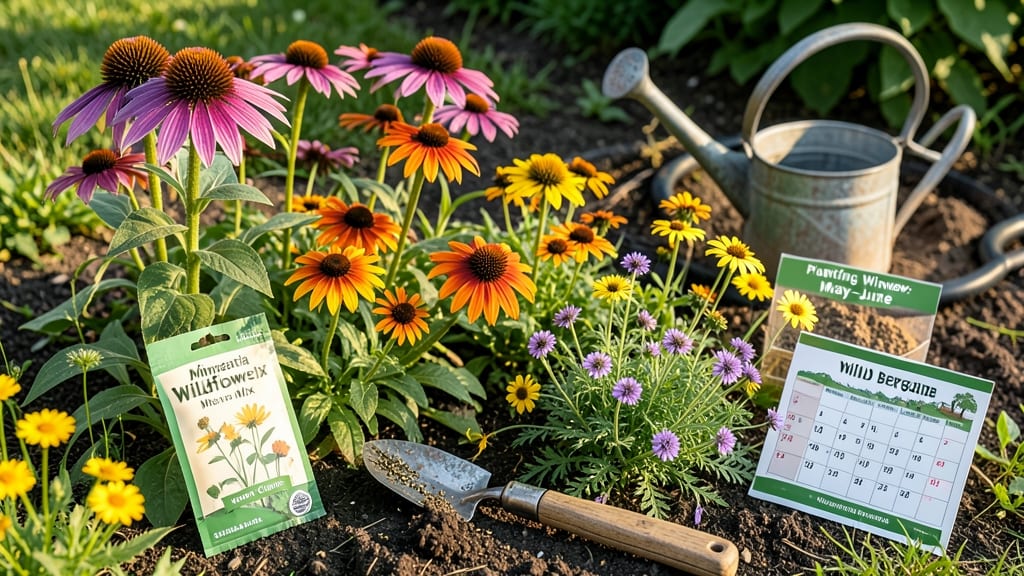
Planting wildflower seeds in Minnesota at the right time means the difference between a thriving meadow and a wasted packet of seeds.
Minnesota’s short growing season and unpredictable spring weather can make wildflower gardening tricky—but timing your planting just right ensures vibrant blooms from spring to fall.
Whether you’re sowing 🌼 native prairie mixes or delicate annuals, the key is understanding when the soil is warm enough and the frost is far enough away.
In USDA Zones 3–5, the best planting windows are late summer to early fall (August–September) or early spring (April–May), after the last frost. Fall planting gives seeds time to germinate before winter, while spring planting avoids competition with weeds.
Below, I’ll walk you through the exact timing, soil prep, and care tips to turn your Minnesota patch into a pollinator paradise—no guesswork required.
Best planting times for wildflowers in Minnesota’s USDA Zone 4 climate
Minnesota’s USDA Zone 4 climate presents unique challenges for wildflower enthusiasts, with short growing seasons and unpredictable frost patterns. The key to success lies in understanding optimal planting windows that align with local microclimates and soil conditions.
Unlike warmer regions, Minnesota’s late spring frosts and early fall freezes demand precise timing to ensure your wildflower seeds germinate and establish before winter sets in.
Most Minnesota gardeners achieve the best results by planting wildflower seeds during two primary windows: late summer to early fall and early spring. Each approach offers distinct advantages.
Fall planting allows seeds to stratify naturally in the soil over winter, while spring planting gives you a head start on the growing season. The choice depends on your specific wildflower mix and local frost dates, which can vary by 5-10 days across the state.
Here’s a quick reference for Minnesota’s average last frost dates (typically May 15) and first frost dates (around September 15), though these can shift based on elevation and proximity to lakes. Southern Minnesota tends to have longer frost-free periods than the northern regions, so adjust your timing accordingly.
Fall planting is often the preferred method in Minnesota because it mimics natural seed dispersal patterns. When you sow seeds in late August or September, they undergo a natural cold stratification process over winter, which breaks dormancy and promotes stronger root development.
This results in hardier plants that are better equipped to handle Zone 4’s cold snaps and drought conditions.
For spring planting, aim to sow seeds as soon as the ground is workable, typically in early April. This gives seeds a chance to germinate before weeds take over. However, be prepared to use row covers or cloches if late frosts threaten your young seedlings.
Southern Minnesota gardeners can often push planting into late May, but northern regions should stick to earlier windows to avoid seedling loss.
Soil conditions play a critical role in Minnesota’s wildflower success. Before planting, test your soil’s pH level—most native wildflowers thrive in slightly acidic to neutral soil (pH 6.0-7.0). Amend heavy clay soils with compost or sand to improve drainage, while sandy soils benefit from orgainc matter additions.
Avoid over-fertilizing, as wildflowers prefer lean, nutrient-poor conditions that mimic their natural habitats.
One common mistake Minnesota gardeners make is planting too late in spring. If you miss the April-May window, wait until fall planting the following year. Alternatively, consider greenhouse starting seeds in early spring for a head start, though this requires more maintenance.
Always choose native wildflower mixes adapted to your specific region—these varieties have evolved to thrive in Minnesota’s variable climate.
After planting, maintain a light mulch layer (like straw) to protect seeds from erosion and temperature swings. Water lightly to keep soil moist but not soggy, especially during dry spells.
Once established, wildflowers in Zone 4 typically require minimal watering thanks to their deep root systems, which help them survive summer droughts and winter freezes.
Remember that Minnesota’s microclimates can create significant variations in frost dates. Urban areas often experience earlier springs than rural regions, while lake-effect zones may have delayed frosts. Pay attention to local weather patterns and adjust your planting schedule accordingly.
With the right timing and preparation, your wildflower meadow will reward you with years of vibrant blooms and support for local pollinators.
How to adjust planting for Minnesota’s unique weather challenges
Minnesota’s variable climate—with late frosts, heavy spring rains, and summer droughts—demands smart adjustments to your wildflower planting strategy. The key is preparing your soil and choosing resilient seeds that can handle these unpredictable conditions while still thriving in USDA Zone 4.
Let’s break down how to protect your meadow from Mother Nature’s curveballs.
First, focus on soil preparation as your first line of defense. Heavy clay soils common in Minnesota can become waterlogged, while sandy soils dry out too quickly. Amend your soil with organic matter like compost or well-rotted manure to improve drainage and water retention.
Aim for a loamy texture that holds moisture without suffocating roots.
Avoid planting too early in spring when late frosts (often until May 15) can still threaten tender seedlings. Instead, opt for fall planting between August and September, when seeds can establish roots before winter. This gives them a head start in spring, reducing vulnerability to frost damage.
⚠️ callout warning ⚠️
⚠️ Late Frost Warning ⚠️
Minnesota’s last average frost date varies by region—May 1-15 in most areas—but late frosts can occur until June 1. If planting in spring, use frost cloth or choose cold-hardy species like black-eyed Susans or coneflowers to survive unexpected chills.
Pro Tip: Monitor your local frost-free date (check Almanac.com) and wait until 2 weeks after for safe spring planting.
For drought-prone summers, select native wildflowers with deep root systems, such as prairie coneflower or butterfly weed, which can access moisture deep underground. Once established, these plants need minimal watering—just occasional deep soaks during prolonged dry spells.
Mulch with straw or wood chips to retain soil moisture and suppress weeds.
Heavy rains can also pose challenges, especially in spring. If your soil becomes waterlogged, create raised beds or mounds to improve drainage. Avoid compacting soil with foot traffic, as this reduces aeration. Instead, use a broadfork to loosen soil without disturbing seeds or young plants.
After planting, monitor soil moisture closely. Water deeply but infrequently—1-2 inches per week—to encourage deep root growth. In early fall, let the soil dry slightly before the first frost to prevent heaving. Overwintering seeds benefit from a light mulch layer (like leaves) to insulate them from extreme cold.
With these adjustments, your wildflower meadow will thrive despite Minnesota’s challenges, rewarding you with season-long color and pollinator support. The secret? Preparation meets patience—and a little help from Mother Nature’s timing. 🌼