
Plants
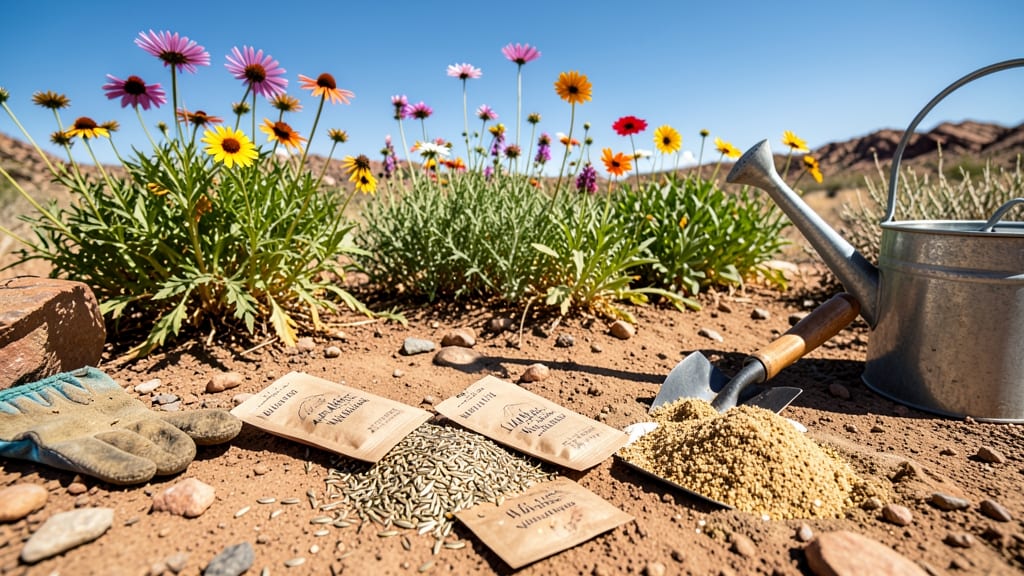
Planting wildflower seeds in Utah between late summer and early spring unlocks the secret to vibrant, drought-resistant blooms 🌼 that thrive in the state’s diverse climates.
Utah’s arid conditions mean timing is everything—wait too long, and your seeds may dry out before germinating. But with the right approach, you can transform even the driest landscapes into colorful meadows that return year after year.
The key lies in understanding your local microclimate, whether you’re in the high desert, Wasatch Front, or southern Utah.
Most Utah gardeners find the best results by sowing seeds in either late summer (August–September) or early spring (March–April). This aligns with natural rainfall patterns and avoids the scorching heat of summer or late frosts that can damage delicate seedlings.
Native species like Indian paintbrush and desert marigold are perfectly adapted to these windows.
In this guide, I’ll break down the ideal planting months for your region, share soil prep tips to ensure strong germination, and reveal the watering schedule that keeps wildflowers flourishing with minimal effort. Let’s get those seeds in the ground the right way!
Utah’s ideal wildflower planting calendar: month-by-month breakdown for drought-tolerant species
Utah’s diverse microclimates—from the high desert to the Wasatch Front and mountain valleys—create unique challenges for wildflower planting. The key to success lies in understanding your frost dates and rainfall patterns, which vary dramatically between regions.
For example, Salt Lake City typically sees its last frost around March 15, while southern Utah can delay frost until May 1. Timing your planting window ensures seeds germinate when conditions are optimal, not when harsh weather threatens to wash them away.
Native wildflowers like Indian paintbrush, blanketflower, and yarrow thrive in Utah’s drought-prone soils, but they need the right cues to sprout. Planting too early risks frost damage, while waiting too long may mean seeds dry out before germinating.
The solution? A two-season approach: either late summer to early fall (August–September) or early spring (March–April), depending on your elevation and local climate.
Here’s a month-by-month breakdown tailored to Utah’s microclimates, including frost-risk considerations and the best species for each window. Use this guide to align your planting with nature’s rhythm and maximize your wildflower meadow’s potential.
🌱 Pro Tip: Always check your local USDA Plant Hardiness Zone (Utah ranges from Zone 4–9) and consult the Utah State University Extension for region-specific frost dates before planting.
For spring planting, focus on March–April when soil temperatures rise above 50°F. This window works best for Wasatch Front and mountain valley gardeners, where frost dates are later. Start with Indian paintbrush or blue flax, which germinate quickly in cooler soils.
If you’re in Zone 4–5 (northern Utah), wait until after the last frost—typically mid-April—to avoid seed loss.
Fall planting, from August–September, is ideal for high desert and southern Utah regions. Seeds germinate in the cool, moist soil of late summer and establish roots before winter.
Choose yarrow or blanketflower, which handle Utah’s alkaline soils and low humidity with ease. A light compost top-dressing before planting boosts nutrient availability for early growth.
Watering is critical in the first 30 days after planting. In spring
Top 5 wildflower seed varieties that thrive in Utah’s soil and climate
Utah’s unique high-desert climate and alkaline soils demand wildflower varieties that can handle low moisture and intense sunlight. These top 5 native species not only survive but thrive, offering vibrant blooms with minimal care.
From blue flax to Utah’s state flower, these selections are perfect for meadows, slopes, or even container gardens.
Each variety is drought-tolerant and low-maintenance, making them ideal for Utah’s USDA Zones 4-9. Whether you’re restoring native habitats or adding color to your landscape, these wildflowers will reward you with years of beauty. Let’s explore the best Utah-native seeds and how to grow them successfully.
Starting with blue flax or Indian paintbrush is a great choice for early spring planting (March–April), while blanketflower and coreopsis can handle late summer sowing (August–September). These native Utah wildflowers not only support local pollinators but also require minimal water once established, making them perfect for Utah’s water-conscious gardeners.
For the best results, prepare your soil by raking lightly to remove debris and scatter seeds evenly. A light press with a board ensures soil contact without burying seeds too deeply.
Water lightly but frequently for the first few weeks to encourage germination, then reduce watering as plants mature—these wildflowers are built to thrive on Utah’s rainfall.
To source seeds locally, check out Utah Native Plant Society or Desert Se