
Flowers
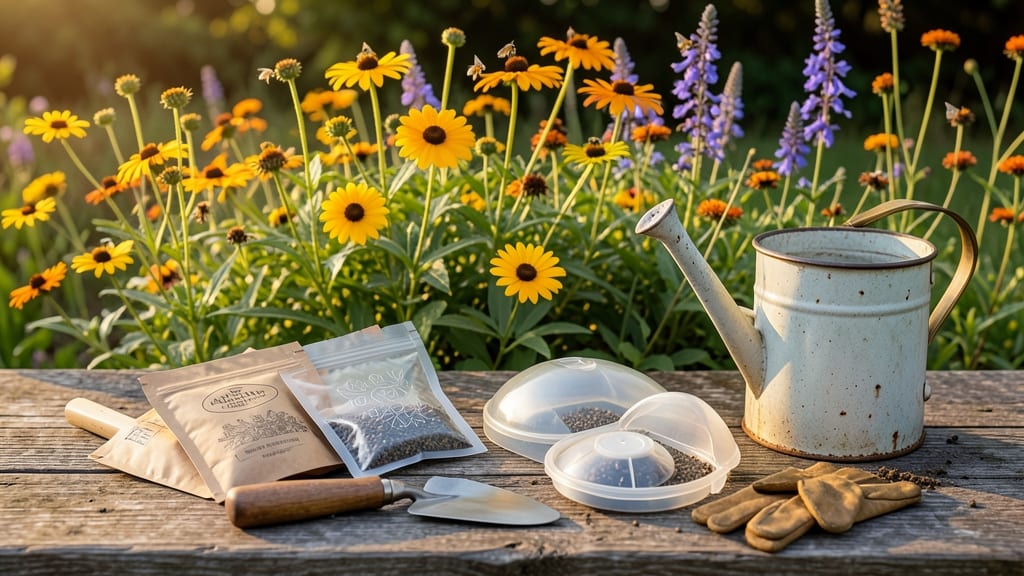
Planting wildflowers in Alabama at the right time ensures vibrant blooms from spring to fall 🌼 and supports pollinators year-round.
Alabama’s mild winters and long growing season make it an ideal place for wildflower gardens—but timing is everything to ensure year-round blooms and thriving pollinators.
Whether you’re in North Alabama’s 7a or the warmer 8b zones, the key is planting when soil temperatures rise and frost risks fade. Late winter to early spring (February through April) is perfect for spring-blooming varieties, while early fall (August to September) sets up fall color.
Below, I’ll break down the best months for each season, top native wildflowers for your zone, and simple care tips to keep your garden buzzing with life.
Best planting months for Alabama wildflowers by season (USDA Zone 7a/7b guide)
Alabama’s USDA Zone 7a/7b climate offers a 210-240 day frost-free season, creating perfect conditions for wildflowers. But planting at the right time ensures strong roots and longer blooms. Native species like black-eyed Susans and purple coneflowers thrive when planted strategically by season.
Spring planting (March-April) is ideal for annual wildflowers that need warmth to germinate, while fall planting (August-September) gives perennials time to establish roots before winter. Understanding these windows helps you avoid late frosts and maximize pollinator visits.
For spring planting, focus on cool-season wildflowers like lupines and snapdragons. These thrive when soil temperatures stay below 70°F. I recommend sowing seeds in early March after the last frost date—typically around March 15 in most of Alabama.
Summer planting (June-July) is perfect for heat-loving annuals such as sunflowers and zinnias. These varieties germinate quickly in warm soil and provide instant color for late-season gardens. Just ensure consistent watering during Alabama’s summer heat waves.
Fall is my favorite time to plant wildflowers because it gives perennials like purple coneflowers and black-eyed Susans a head start. Sow seeds in August-September when daytime temperatures drop below 85°F. This timing helps seeds establish roots before winter dormancy.
Winter planting is less common but works for cold-hardy species like winter aster. These varieties tolerate light frosts and bloom early in spring. If you choose this route, plant seeds in December or early January for best results.
Always check your local frost dates—North Alabama (Zone 7a) has a slightly shorter growing season than South Alabama (Zone 7b). For example, Huntsville may experience frost until mid-November, while Birmingham sees later frosts in December.
Pro tip: Use a seed starter mix for early spring or fall plantings to ensure even germination. I’ve found that lightly pressing seeds into soil (no deeper than 1/4 inch) improves contact with moisture, especially in Alabama’s clay-heavy soils.
Finally, consider succession planting every 4-6 weeks to extend blooms. For example, sow zinnias in June and cosmos in July for continuous color through fall. This strategy keeps your wildflower garden buzzing with pollinators all season long! 🌼
How to extend wildflower blooms year-round in Alabama’s climate
Alabama’s unique microclimates and extended growing season create perfect conditions for year-round wildflower displays. By strategically planning your plantings, you can enjoy continuous blooms from early spring through late fall. The key lies in staggered planting and selecting varieties that thrive in Alabama’s USDA Zones 7a-8b.
Many gardeners make the mistake of planting all their wildflowers at once, leading to short-lived color bursts. Instead, think of your garden as a blooming calendar, where each new planting takes over as the previous one fades.
This approach ensures pollinators always have fresh nectar sources while keeping your landscape vibrant.
- Early Spring (Feb-Mar): Plant cold-hardy annuals like lupine and sweet alyssum for early color before summer bloomers take over.
- Late Spring (Apr-May): Add black-eyed Susans and coreopsis for mid-season blooms that bridge summer gaps.
- Early Summer (Jun): Include sunflowers and zinnia for peak summer color while fall varieties begin germinating.
- Late Summer (Aug): Plant fall-blooming asters and goldenrod to extend color into October and November.
- Early Fall (Sep): Sow winter annuals like calendula and pansies for winter interest before frost.
Alabama’s northern regions (like Huntsville) experience cooler temperatures than the southern areas (like Mobile), so adjust your planting schedule accordingly. For example, purple coneflower may bloom earlier in Zone 8b than in Zone 7a. Always check your local frost dates and plant succession varieties accordingly.
Incorporate perennial wildflowers like butterfly weed and salvia into your design—they return year after year and provide long-term structure. Pair them with annuals that bloom at different times to create a seamless transition.
For instance, while your perennial coneflowers are establishing, annual cosmos can fill in the gaps with their rapid growth.
Don’t overlook mulching as a way to extend blooms. A 2-3 inch layer of organic mulch helps retain soil moisture, regulates temperature, and suppresses weeds—all of which contribute to healthier plants and longer flowering periods.
In drought-prone areas, consider drip irrigation to keep your wildflowers thriving during Alabama’s hot summers.
Finally, embrace native wildflowers like partridge pea and wild bergamot—they’re perfectly adapted to Alabama’s climate and require minimal care. These varieties often have extended blooming periods and attract local pollinators like monarch butterflies and native bees.
With these strategies, your wildflower garden can stay in bloom from March through November!