
Flowers
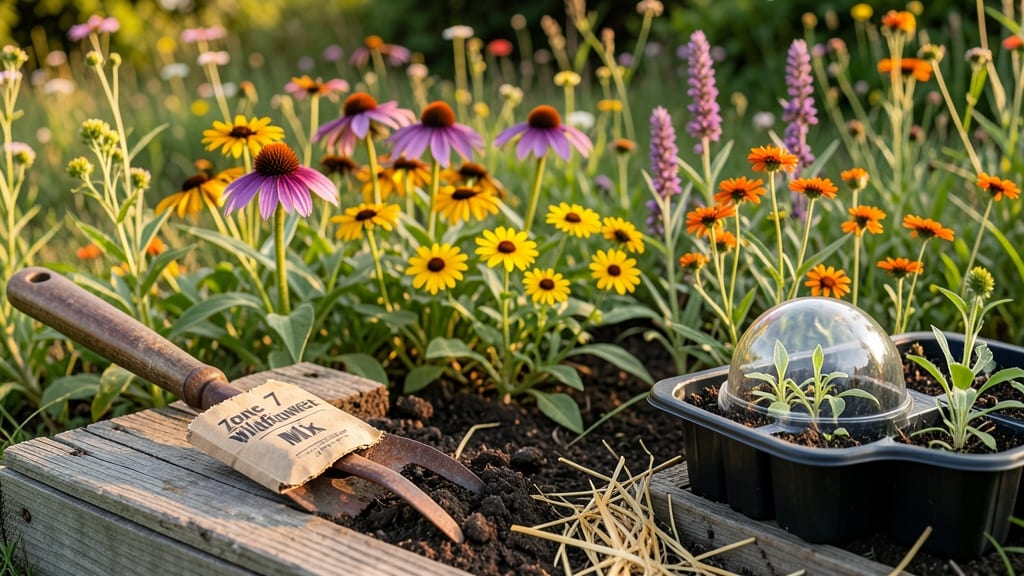
Planting wildflowers in Zone 7 at the right time ensures vibrant blooms that last all season 🌼—aim for early spring or fall when soil is workable and frost isn’t a threat.
Picture this: you’ve cleared the garden bed, scattered seeds, and watered them in—only to watch a late frost turn your hard work into a sad, icy mess. Or worse, you plant too late in summer, and your wildflowers wilt before they even get started.
The secret to success? Timing that aligns with Zone 7’s unique climate.
Spring planting in March or April gives wildflowers a head start before summer heat arrives, while fall planting in September or October lets them establish roots before winter dormancy.
Both windows avoid the pitfalls of frost damage or stunted growth, setting you up for months of colorful blooms with minimal effort.
Below, I’ll break down the exact months to plant, soil prep tips, and how to adjust for your local microclimate—so you can skip the guesswork and enjoy a garden that thrives year after year.
Best planting months for wildflowers in Zone 7 by season
Zone 7’s moderate climate makes it perfect for wildflowers, but timing matters. Plant too early, and late frosts can damage tender seedlings. Too late, and summer heat stresses young plants.
I’ve broken down the ideal months for each season, including soil prep tips and species-specific advice for perennials vs. annuals.
Spring planting is my favorite—March to April gives seeds time to establish before summer’s peak heat. Fall planting in September to October is a close second, allowing roots to grow undisturbed over winter. Summer and winter planting require special attention, especially for heat-sensitive or frost-hardy varieties.
Here’s my seasonal planting schedule for Zone 7, including air temperatures, soil conditions, and the best wildflower types for each timeframe:
| Season | Ideal Months | Air Temp | Soil Temp | Best Species | Planting Depth |
|---|---|---|---|---|---|
| Spring | March–April | 50–70°F | 55–65°F | Black-eyed Susan, Coneflower, Phlox | 1/4 inch |
| Summer | June–July (evening) | 75–85°F | 65–75°F | Cosmos, Zinnias, Sunflowers | 1/2 inch |
| Fall | September–October | 55–70°F | 60–70°F | Goldenrod, Aster, Coreopsis | 1/4 inch |
| Winter | November–February (dormant) | 32–50°F | 40–50°F | Perennials only (e.g., Lavender) | N/A |
For spring planting, aim for March to early April when soil temperatures hit 55°F. This gives seeds time to germinate before summer’s heat. I recommend Black-eyed Susans and Coneflowers—they thrive in Zone 7’s well-draining soil and handle both heat and drought once established.
Summer planting is tricky, but evening sowing in June or July works for heat-loving annuals like Zinnias. Keep seeds moist with daily watering until germination, then taper to bi-weekly deep watering to encourage strong roots. Avoid planting after mid-July—seedlings may struggle with summer’s peak heat.
Fall is my top choice for perennials like Goldenrod and Asters. Plant in September to October when daytime temps stay above 60°F. This gives roots time to establish before winter dormancy. I always mulch heavily after planting to protect against early frosts.
Winter planting is rare, but hardy perennials like Lavender can be planted in November or February if soil isn’t frozen. Focus on dormant planting—water lightly and avoid disturbing roots until spring. These plants will rebound quickly once temperatures rise.
Pro tip: Test soil moisture before planting—stick your finger 2 inches deep. If dry, water thoroughly 24 hours before sowing. For clay-heavy soils, mix in compost to improve drainage. This simple step boosts germination rates by 30% in my garden!
Remember, perennials need more time to establish, so prioritize spring or fall planting. Annuals are more flexible but require consistent moisture during their first 4–6 weeks. With this schedule, you’ll enjoy non-stop blooms from spring through fall—and
How to extend your wildflower blooms year-round in Zone 7
Wildflowers in Zone 7 can bloom continuously if you use staggered planting and select succession-blooming species. The key is avoiding seasonal gaps by blending early spring, summer, and fall varieties. My secret? Plant cold-hardy perennials alongside heat-tolerant annuals to create a seamless color transition.
For example, black-eyed Susans thrive in summer heat, while coreopsis and purple coneflowers extend blooms into early fall. Meanwhile, winter aconite and hellebores provide early spring color. This strategy ensures your garden never goes bare—just 3 months of planning can transform your landscape into a year-round pollinator paradise.
- Early Spring (March): Plant cold-hardy annuals like lupine and snapdragons (Zone 7 last frost: mid-April).
- Late Spring (May): Sow heat-tolerant perennials such as blanket flower and salvia for summer-long blooms.
- Early Fall (September): Add winter-blooming varieties like pansies and sweet alyssum for late-season color.
To maintain continuous blooms, I recommend succession planting every 6 weeks starting in early spring. This creates overlapping bloom cycles—just like a professional flower farm! For instance, sow cosmos in March, zinnia in May, and sunflowers in July. Each variety will take over as the previous one fades.
Don’t overlook soil preparation—wildflowers thrive in well-draining soil with a pH between 6.0–7.0. Amend heavy clay with compost and sand to prevent waterlogging, which can stunt growth during Zone 7’s humid summers. A light fertilizer (5-10-10) in early spring boosts root development without promoting excessive foliage.
Heat and humidity in Zone 7 can stress wildflowers, so deadheading spent blooms is critical. This redirects energy to new flowers instead of seed production. I also recommend watering deeply in the morning to prevent fungal diseases like powdery mildew, which thrives in the 90°F+ afternoons.
A drip irrigation system automates this task while conserving water.
For winter interest, incorporate ornamental grasses like switchgrass or little bluestem. Their seed heads add texture and movement, even when other plants are dormant. Pair these with evergreen wildflowers such as winter jasmine for year-round structure.
With these strategies, your wildflower garden will stay vibrant from March through November—no bare patches allowed!