
Flowers
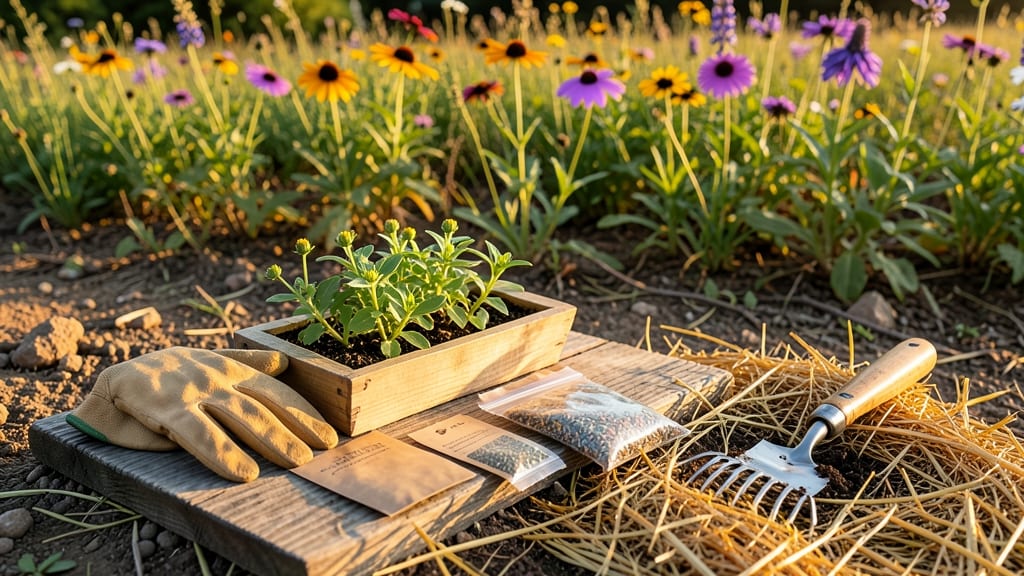
Planting wildflowers in Tennessee at the right time ensures vibrant blooms and thrives in your garden 🌼—miss the window, and frost or summer heat can ruin your efforts.
If you’ve ever watched seeds sprout only to be nipped by a late frost or struggle to take root in scorching July, you know timing matters. Tennessee’s zones 6a-7b demand precision: plant too early, and tender seedlings won’t survive; too late, and your meadow may never establish.
This guide breaks down the frost-free planting windows for spring and fall, plus the best native wildflowers for your zone—so you can skip the guesswork and create a pollinator paradise that lasts.
From Nashville’s urban heat islands to the Smokies’ cooler valleys, we’ll cover soil prep, seasonal risks, and the top 5 Tennessee-friendly varieties that bloom reliably year after year.
Tennessee wildflower planting deadlines by hardiness zone (6-8)
Tennessee’s USDA Zones 6-8 create a unique challenge for wildflower gardeners—each zone has its own frost-free window, and even nearby cities can have 2-3 week differences in planting deadlines.
For example, Nashville (Zone 7a) typically sees its last frost by March 25th, while Knoxville (Zone 7b) might wait until April 5th. These timelines ensure your wildflowers—like Black-Eyed Susans and Purple Coneflowers—get a strong start before summer heat arrives.
Mountain regions, like those near the Great Smoky Mountains, often experience later frost dates due to higher elevations, while valley areas (e.g., Memphis) may see frost 1-2 weeks earlier. Understanding these microclimates helps you adjust your planting schedule to avoid frost damage or summer drought stress.
Below, I’ve broken down the ideal planting windows for each zone, plus the best wildflowers to match your timeline.
Pro Tip: If you’re unsure about your exact frost date, check the National Weather Service or local Cooperative Extension Service for your county’s 10-year average. This small step can save hours of gardening heartache!
For Zone 6 gardeners, like those in Bristol or Kingsport, your last frost date is typically April 15–20, so aim to plant wildflowers between April 1–15 for spring blooms.
If you prefer fall planting, September 1–15 gives seeds time to germinate before winter. Coreopsis and Lupine are excellent choices for Zone 6—they tolerate cooler soils and still bloom reliably.
In Zone 7 (Nashville, Chattanooga), you’ve got a slightly earlier window. Plant Black-Eyed Susans or Butterfly Weed between March 15–April 15 for vibrant summer blooms. Fall planting works too, but wrap it up by October 1st to avoid fungal issues from fall humidity.
These zones also benefit from Goldenrod, which thrives in the slightly warmer microclimates.
Gardeners in Zone 8 (Memphis, Jackson) can start even earlier—February 15–March 30 is ideal for spring planting. Purple Coneflower and Blanket Flower
Spring vs. fall planting: which works better for Tennessee wildflowers?
Choosing between spring and fall planting for Tennessee wildflowers depends on your local climate and patience level. Spring planting delivers earlier blooms but demands more water and maintenance, while fall planting lets seeds establish roots in cooler soil with fewer weeds.
Both have risks—spring faces late frost threats, while fall battles humidity and fungal diseases.
In Tennessee’s Zone 6-8 regions, spring planting typically runs from mid-March to early May, while fall planting spans mid-September to early October. Your decision hinges on whether you prioritize immediate color or long-term resilience.
For example, Black-Eyed Susans thrive with either method, but wild bergamot prefers the cooler roots of fall.
Spring Planting
- ✅ Pros: Longer growing season, earlier blooms, more time for establishment
- ✅ Best for: Fast-growing species like coreopsis or annuals
- ❌ Cons: Higher water needs, weed competition, risk of late frost damage
- ❌ Risk: Spring droughts (common in Zone 7-8) can stress seedlings
Fall Planting
- ✅ Pros: Cooler soil reduces stress, fewer weeds, established roots for summer
- ✅ Best for: Perennials like purple coneflower or butterfly milkweed
- ❌ Cons: Shorter window, humidity increases fungal risks, requires precise timing
- ❌ Risk: Early fall rains can cause seed rot in Zone 6 areas
For Tennessee’s humid climate, fall planting often wins for perennial wildflowers because the cooler temperatures help seeds germinate slowly, preventing bolting. However, if you’re planting annuals like cosmos, spring gives you summer-long blooms.
My advice? Test both methods in small patches—track which performs best in your specific microclimate.
One critical Tennessee-specific tip: Avoid planting wildflowers in late April or late September, as these months straddle frost risks. Instead, aim for early April (spring) or mid-October (fall) to give seeds the best shot. In mountain regions, delay spring planting by 2-3 weeks to escape late frosts.
Ultimately, fall planting often yields healthier wildflowers with fewer maintenance headaches, but spring planting can be rewarding if you’re prepared to water deeply and mulch heavily. Try both methods side-by-side—your future pollinators will thank you! 🌼