
Flowers
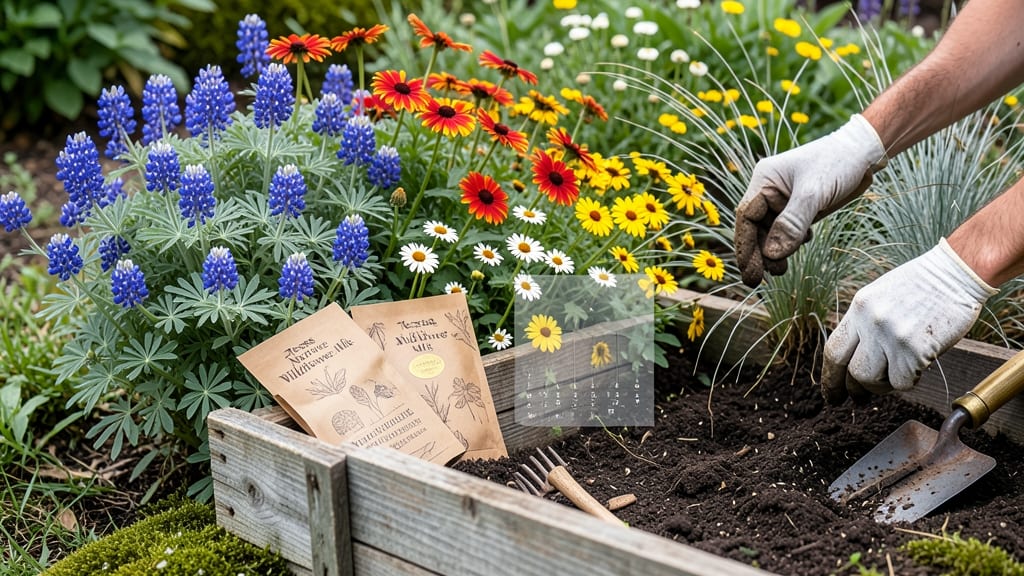
To plant wildflowers in Texas for year-round color, time your seeds with the last frost date—typically late February in North Texas, March in Central Texas, and early March in South Texas—or in fall, 6–8 weeks before the first frost.
Texas wildflowers transform landscapes into vibrant tapestries—but planting them at the wrong time means missed blooms and wasted effort. Timing is everything for year-round color, and these native beauties demand precision to thrive in the Lone Star State’s extreme climate.
Whether you’re chasing bluebonnets in March or black-eyed Susans in fall, the key is matching your region’s frost window with the right seed varieties.
North Texas gardeners need to act faster than their South Texas counterparts, while Central Texas sits in the sweet spot for both spring and fall plantings.
Below, I break down the best months for each Texas zone, how to prep soil for germination, and the top 3 mistakes that kill blooms before they begin. Let’s get those 🌼 seeds in the ground the right way!
Texas wildflower planting calendar: month-by-month best times
Timing your wildflower planting is the secret to a nonstop color show across Texas’ diverse climates. North Texas gardeners face earlier frosts, while South Texas enjoys longer growing seasons—so regional adjustments are key.
The ideal window for most native wildflowers is either late fall (September–November) for spring blooms or early spring (February–March) to beat summer heat. Let’s break it down by region and month to ensure your wildflowers thrive year after year.
For North Texas (USDA Zones 7b–8a), focus on planting bluebonnets (Lupinus texensis) and Indian paintbrush (Castilleja indivisa) in September–October to establish roots before winter.
In Central Texas (Zone 8a–8b), where winters are milder, you can extend planting into November for black-eyed Susans (Rudbeckia hirta) and Mexican hat (Ratibida columnifera). Meanwhile, South Texas (Zones 9a–10a) gardeners can plant year-round, with peak times in February–April and September–October to avoid summer’s brutal heat.
| Region | Best Planting Months | Soil Temp | Rainfall Window | Key Species |
|---|---|---|---|---|
| North Texas | September–October, February–March | 50–65°F (10–18°C) | October–November, March–April | Bluebonnets, Indian paintbrush |
| Central Texas | September–November, February–March | 55–70°F (13–21°C) | September–October, March–May | Black-eyed Susans, Mexican hat |
| South Texas | February–April, September–October | 60–75°F (16–24°C) | March–May, September–November | Coreopsis, Salvia, Zinnias |
In September, prepare your soil by removing weeds and tilling to a depth of 4–6 inches. This month is perfect for fall planting in North and Central Texas, where cooler temps help seeds germinate without stress.
Aim for soil temperatures between 50–65°F (10–18°C)—use a soil thermometer to check. In South Texas, September is ideal for summer-blooming species like Mexican sunflower (Tithonia rotundifolia), which thrive in the heat but need moisture.
By October, focus on rainfall-dependent planting. Texas’ fall rains (October–November) provide natural watering, reducing your effort.
Scatter seeds evenly and lightly cover with 1/4 inch of soil to protect them from birds. Bluebonnets and wild indigo (Baptisia spp.) planted now will reward you with spring blooms that blanket the landscape. Avoid planting in drought-prone areas without supplemental watering.
As winter approaches, November is your last chance for fall planting in North Texas. In Central Texas, you can still sow cool-season wildflowers like Texas bluebells (Eustoma russellianum), but hurry—frost can arrive by December 1.
South Texas gardeners should hold off until February to avoid summer’s heat stress. Mulch lightly with straw or leaves to protect seeds from freezing temps.
When spring arrives (February–March), it’s time for second planting rounds. North Texas can plant after the last frost (typically February 15), while Central and South Texas can start earlier. Black-eyed Susans and coreopsis thrive when planted in early spring, benefiting from longer daylight hours.
Water deeply 2–3 times per week until seeds germinate, then taper to weekly watering once established.
For extended-season blooms, try successive planting. In April, sow summer-blooming species like zinnias and salvias to fill gaps left by spring wildflowers. These heat-lovers need consistent moisture but zero fertilization—too much nitrogen reduces flowering.
In South Texas, you can even plant fall wildflowers in June for autumn color, though shade cloth may help during peak heat.
Never underestimate the power of microclimates. Urban areas like Austin or Dallas may have warmer microclimates than rural zones, allowing for earlier spring planting. Conversely, elevated areas like the Hill Country can experience frost pockets, delaying planting until late March.
Always check local frost dates and adjust your schedule accordingly.
To maximize blooms, mix species with staggered timings. Plant early bloomers (bluebonnets, lupines) alongside mid-season (coreopsis, salvias) and late-season (zinnias, sunflowers) varieties. This creates a continuous bloom cycle from February through November, even in Texas’ harshest climates. With the right timing, your wildflower meadow will become the envy
How to extend wildflower blooms year-round in Texas climates
Texas gardeners know the magic of wildflowers—especially when they burst into color from February through November. But achieving a 10+ month bloom cycle requires strategic planning.
The key lies in staggered planting and selecting species that thrive in Texas' three distinct microclimates: urban heat islands, rural expanses, and coastal regions.
My Central Texas garden stays vibrant year-round by combining fall-planted varieties like Mexican feathergrass with spring-sown bluebonnets. The trick? Planting 6-8 weeks before first frost for fall bloomers and after last frost for spring stars. This creates a continuous color cascade that keeps pollinators buzzing.
🌱 5 Proven Strategies for Texas Wildflower Longevity
- 📅 Staggered Planting: Sow fall mixes (Sept-Oct) and spring mixes (Feb-Mar) in separate beds for sequential blooms.
- 💧 Drought-Resistant Species: Prioritize black-eyed Susans, coreopsis, and salvias—they thrive with 1 inch water/week after establishment.
- 🏙️ Microclimate Matching: Urban areas? Choose heat-tolerant varieties like zinnia. Rural? Bluebonnets love open spaces.
- 🌡️ Frost-Date Flexibility: North Texas? Plant winter annuals (e.g., sweet alyssum) in October for January-March color.
- 🌿 Succession Planting: Replace fading blooms every 6-8 weeks with new seed mixes for non-stop color.
Take Dallas gardener Maria Rodriguez—she transformed her urban courtyard into a year-round pollinator paradise by planting winter rye + spring wildflowers in alternating strips. Her 12-month bloom cycle starts with winter violets in January and ends with fall asters in November.
For rural Texas, focus on native perennials like Indian paintbrush and wild bergamot. These self-seeding beauties return yearly with minimal care. Pro tip: Mow only after seed heads form to ensure next year's blooms.
In coastal areas, salt-tolerant species like seashore mallow extend the season by 2-3 months.
My biggest lesson? Texas wildflowers reward precision timing and species selection. Start with one 10x10-foot plot, test mixes, then expand. With these strategies, your wildflower oasis will bloom longer than any store-bought annual—and cost a fraction of the price. 🌻
Need inspiration? Visit Lady Bird Johnson Wildflower Center in Austin—they’ve perfected Texas-specific bloom extensions. Their fall-planted winter annuals often outlast spring-sown varieties by 4-6 weeks. The secret? Cooler soil temps in fall trigger faster germination. 🌱