
Flowers
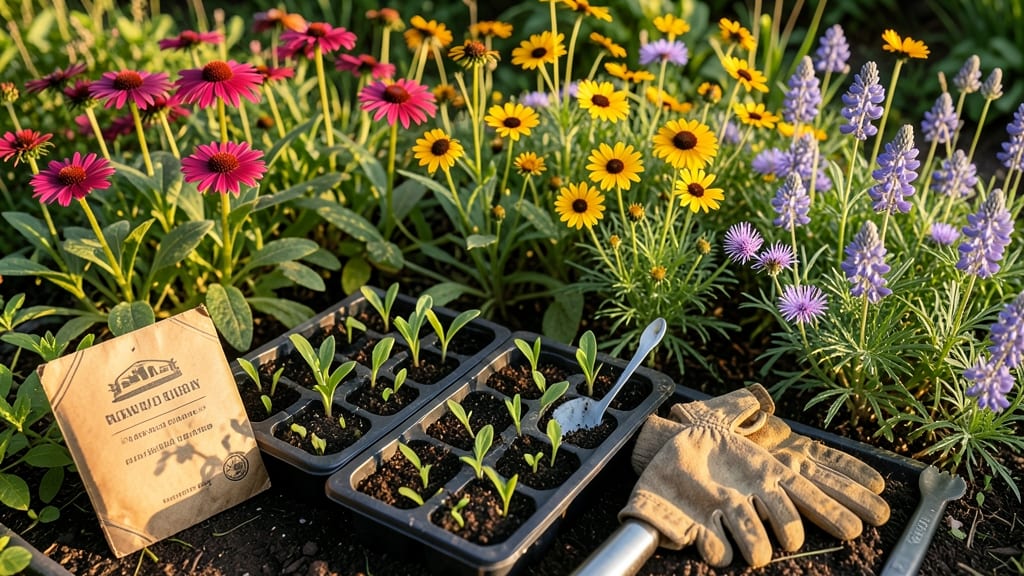
To plant wildflowers in Zone 6 🌼 for the best blooms, aim for early spring or late summer—these windows maximize germination and survival rates.
Wildflowers transform any garden into a vibrant, pollinator-friendly paradise—but planting them at the wrong time in Zone 6 can mean sparse blooms or no flowers at all. Timing is everything for maximizing their beauty and resilience, and these exact planting windows will ensure your wildflower meadow thrives.
Spring planting in March or April gives seeds a head start before summer heat, while late summer options in August or September take advantage of cooler soil and steady rainfall. Both strategies work, but your local microclimate—like urban heat or high-altitude areas—might shift those ideal months by a few weeks.
Below, I break down the best months for annuals vs. perennials, how to adjust for frost risks, and what to expect from planting to full bloom—so you can plan ahead for a season of effortless color.
Best planting months for wildflowers in Zone 6 by seed type
Zone 6 gardeners know that timing is everything when planting wildflowers. The difference between sparse blooms and a lush meadow often comes down to whether you plant in spring or fall.
Each seed type—annuals, perennials, and native mixes—has its own ideal window to ensure strong germination and survival through Zone 6's hot summers and cold winters.
For annual wildflowers, like cosmos and zinnias, the best time to plant is late spring (May) after the last frost. These fast-growing beauties thrive when soil temperatures hit 60°F or warmer, which typically occurs in May for Zone 6.
Planting too early risks frost damage to tender seedlings, while waiting too long can lead to bolting before blooming.
Perennial wildflowers, such as black-eyed Susans and coneflowers, offer a different strategy. These hardy plants benefit from fall planting (September), giving seeds time to stratify naturally through winter. This process mimics their natural germination cycle and often results in stronger root systems by spring. Fall planting also avoids competition from summer weeds.
Native wildflower mixes, designed to thrive in local ecosystems, often include a blend of annuals and perennials. For these, both spring and fall planting work well.
Spring planting (March-April) gives seeds a full growing season before winter, while fall planting (August-September) leverages cooler temperatures and moisture for better establishment.
If you're planting annual wildflowers in spring, aim for late April to early May in Zone 6. This timing ensures seeds germinate when soil temperatures are consistently warm, reducing the risk of damping off (a fungal disease that attacks young seedlings).
For direct sowing, scatter seeds lightly over prepared soil and water gently to avoid displacing them.
For fall planting, focus on September when daytime temperatures begin to cool. This gives seeds time to germinate before ground freezes, while cooler nights prevent bolting. Perennials planted in fall often bloom earlier the following year because they establish roots before summer heat arrives.
One common mistake is planting native wildflowers too early in spring. While March might seem ideal, cold soil and unpredictable frosts can delay germination. Instead, wait until April 15 or later (after your area's average last frost date) for best results.
If you're unsure about frost dates, use row covers for added protection during early spring plantings.
Zone 6's summer drought can also impact wildflower success. Planting in late summer (August) for fall-blooming varieties ensures they establish roots before dry spells. Native species like purple coneflower and butterfly weed are particularly well-suited to this timing, as they thrive in dry conditions once established.
To maximize your wildflower meadow's lifespan and beauty, consider layered planting. Sow annuals in spring for immediate color, then add perennials in fall to ensure long-term blooms. This approach creates a continuous bloom cycle from early summer through fall, attracting pollinators all season long.
Remember, soil preparation is just as critical as timing. Loosen the top 2-3 inches of soil, remove weeds, and lightly rake to create a fine seedbed.
For large areas, consider using a broadfork to aerate without disturbing seeds. Once planted, mulch lightly with straw to retain moisture and suppress weeds.
With the right planting schedule and care, your Zone 6 wildflower garden can become a pollinator paradise that blooms reliably year after year. Start with the best months for your seed type, and soon you'll enjoy a vibrant, low-maintenance meadow that thrives on its own. 🌼
How to adjust planting times for Zone 6 microclimates
Zone 6’s 165 frost-free days create a tight window for wildflower success, but local microclimates can shift that timeline dramatically. In urban heat islands, pavement and buildings trap warmth, allowing you to plant black-eyed Susans or coneflowers 2-3 weeks earlier than rural areas.
Meanwhile, high-altitude spots may need delayed planting to avoid late spring frosts.
Your yard’s unique conditions—like sheltered valleys or exposed hilltops—can mean the difference between a thriving meadow and struggling seedlings. I’ll show you how to fine-tune planting times based on these factors, so your wildflowers bloom reliably year after year.
For example, in urban microclimates, soil temperatures rise faster, so you can start sowing annual wildflowers in early March instead of waiting for April. In contrast, mountainous regions might require pushing planting back until mid-April to avoid late frosts that can kill tender seedlings.
⚠️ callout warning⚠️ Watch for False Springs!
Zone 6’s unpredictable frost patterns can trick you into planting too early. A warm February might tempt you to sow wildflower seeds, but a late frost in March can wipe out your efforts. Always check your local frost date averages and adjust planting by 2-4 weeks if your microclimate runs cooler or warmer than the norm.
Pro Tip: Use row covers or cold frames to extend your planting window in risky areas.
To extend your bloom season, consider staggered planting. For instance, sow half your cosmos seeds in early May and the other half in early June. This ensures continuous color from summer through fall, as later plantings take advantage of cooler soil and steady rainfall.
For perennial wildflowers like bee balm or purple coneflower, fall planting in September is ideal. These plants establish roots before winter, then burst into bloom the following spring. However, in high-altitude areas, wait until late September to avoid early frosts that can damage young roots.
Always monitor your garden’s soil temperature—wildflower seeds need soil that’s at least 50°F for consistent germination. Use a soil thermometer to confirm readiness, especially in shady microclimates where soil stays cooler longer. This small step can mean the difference between a sparse patch and a lush meadow.