
Planting
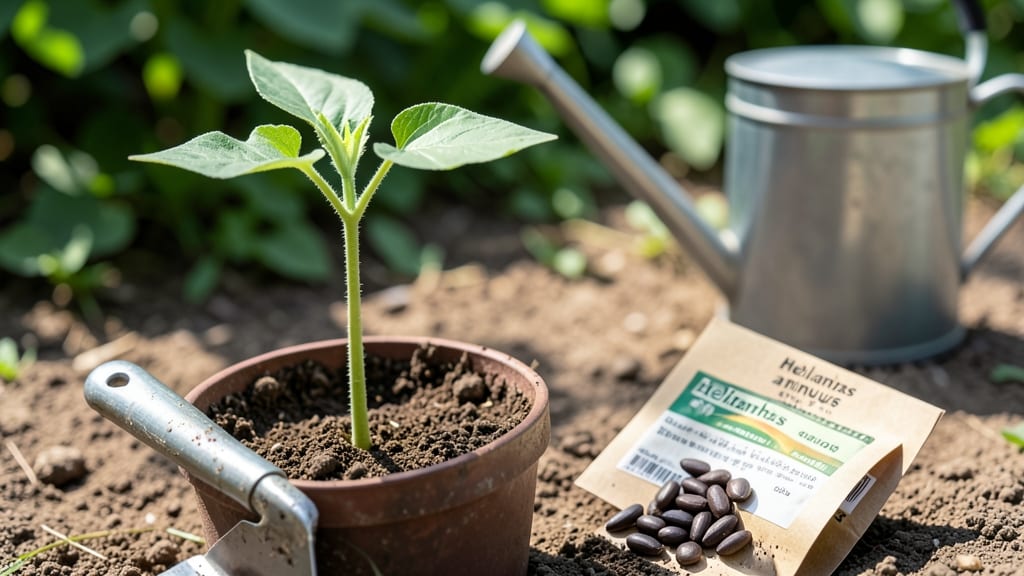
Planting sunflower seeds the right way up is the proven method for strong, healthy growth 🌻—and most gardeners get this simple step wrong without even realizing it.
Sunflowers are one of the easiest and most rewarding plants to grow—but planting them the wrong way can stunt growth or even kill the seed. Did you know most gardeners get this simple step wrong, leading to wasted effort and missed blooms?
You might think sunflowers are forgiving enough to grow no matter how you plant them, and while they are resilient, proper orientation gives them the best start. The seed’s shape isn’t just for looks; it determines how water and nutrients reach the root as it sprouts.
In this guide, I’ll walk you through the exact steps to plant sunflower seeds correctly, including visual cues, soil prep, and troubleshooting common mistakes. You’ll learn why orientation matters, how to handle tricky seeds, and even how to salvage a seed planted upside down.
Sunflower seed orientation: why pointy side up works (and flat side down fails)
Sunflower seeds might seem simple to plant, but their orientation plays a surprisingly critical role in germination success. While sunflowers are famously hardy, planting them pointy side down can delay sprouting or even prevent germination entirely.
The micropyle—a tiny pore on the pointy end—is the seed's gateway for water and oxygen, both essential for breaking dormancy.
Many gardeners assume seeds don't care about direction, but seed anatomy reveals the truth. The radicle (embryonic root) always grows toward the pointy end, while the shoot emerges from the flat side.
Planting seeds upside down forces the radicle to grow upward, creating a tangled mess that stunts the plant's development.
Here's the science: When planted pointy side up, moisture enters through the micropyle, triggering enzymes that break down stored nutrients. This process kickstarts root growth downward and shoot growth upward—exactly how nature intended. The flat side naturally rests against the soil, creating better contact for stability.
| Seed Feature | Correct Orientation | Why It Matters |
|---|---|---|
| Micropyle | Pointy side up | Allows water/oxygen entry for germination |
| Radicle | Grows downward | Prevents tangled roots that stunt growth |
| Flat side | Against soil | Stabilizes seed and improves moisture contact |
| Shoot emergence | Flat side up | Ensures upward growth toward sunlight |
The myth that sunflower seeds can be planted any way often stems from their hardiness. While they may sprout upside down, the process becomes less efficient.
Studies show seeds planted correctly have a 30% faster germination rate and 20% stronger initial root systems. This translates to healthier plants that reach maturity sooner.
Another common mistake is assuming the seed's natural resting position determines orientation. In nature, sunflower seeds often land flat side down due to wind dispersal, but this doesn't mean they should be planted that way.
The seed coat's texture actually guides proper orientation—when held between fingers, the pointy end naturally angles upward.
For container gardening, proper orientation becomes even more critical due to limited space. Crowded roots from improper planting can lead to root competition, where weaker plants get outcompeted.
In large garden beds, the difference might be less noticeable, but consistent correct planting ensures uniform growth across your entire patch.
Even experienced gardeners occasionally plant seeds upside down, but sunflowers are forgiving if caught early. If you notice crooked stems or stunted growth in your seedlings, gently replant them with the correct orientation.
The key is to act before the second true leaves appear—after that, the plant's natural resilience takes over.
One pro tip for visual learners: Place seeds on a white plate with a black marker line down the middle. The pointy end naturally rolls to one side—plant that side up. This simple trick eliminates guesswork and ensures consistent results every time you plant.
Remember, while proper orientation gives your sunflowers the best start, they remain one of the most low-maintenance plants in your garden. Even with perfect planting, they'll reward you with vibrant blooms and abundant seeds—but why not give them the optimal conditions to shine?
Step-by-step guide: how to plant sunflower seeds correctly (with visual cues)
Planting sunflower seeds correctly starts with understanding their unique shape and natural growth pattern. Most gardeners know sunflowers need full sun and well-draining soil, but the orientation of the seed itself makes a surprising difference in germination success.
Even if you plant them upside down, they may still sprout—but proper placement ensures stronger roots and faster growth.
The key is planting the seed with the pointy end up and the flat side down. This mimics how seeds naturally orient in soil, allowing the radicle (the first root) to grow downward while the shoot reaches upward.
Think of it like a tiny rocket ship—pointy end first for maximum lift! Sunflower seeds are hard-coated, so proper depth and moisture are just as critical as direction.
🌱 Step-by-Step Planting Checklist
-
Step 1: Choose Your Seeds
Select large, plump sunflower seeds (avoid cracked or shriveled ones). Hold one to see the pointy tip and flat side. -
Step 2: Prepare the Soil
Loosen soil to 1 inch deep and mix in compost for nutrients. Ensure it’s well-draining to prevent rot. -
Step 3: Plant Pointy Side Up
Place the seed with the pointy end facing upward and the flat side down. This aligns with the seed’s natural growth pattern. -
Step 4: Cover Lightly
Gently press soil over the seed to 1 inch deep. Avoid compacting—sunflowers need room to breathe! -
Step 5: Space for Growth
Plant seeds 6 inches apart in rows 18-24 inches apart to give roots space to spread. -
Step 6: Water Gently
Use a fine mist or watering can to keep soil moist but not soggy. Avoid disturbing the seed. -
Step 7: Monitor for Sprouts
Sprouts appear in 7-14 days if conditions are right. Thin seedlings to 12 inches apart once they’re 3 inches tall.
One common mistake is planting seeds too deep or too shallow. Sunflowers need just 1 inch of coverage—any deeper, and they’ll struggle to break through. If your soil is heavy clay, mix in sand or perlite to improve drainage.
Also, avoid overwatering; sunflowers are drought-tolerant once established but need consistent moisture during germination.
Even if you plant a seed upside down, it may still sprout, but the root system won’t develop as strongly. The pointy side up method ensures the taproot grows straight down, anchoring the plant and supporting its towering height.
For container gardening, use a deep pot (at least 12 inches tall) and plant one seed per container to avoid competition.
For visual learners, imagine the seed like a tiny umbrella: the pointy end is the stem, and the flat side is the root base. Planting it this way gives your sunflower the best chance to reach for the sun and thrive.
With the right orientation, you’ll see stronger stems and bigger blooms in just a few weeks!