
Propagation
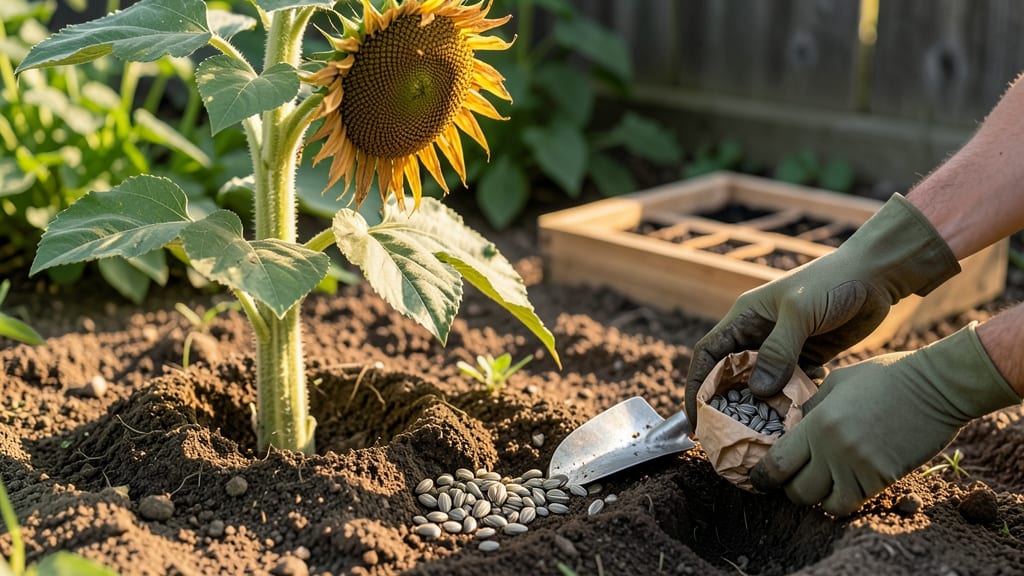
Planting sunflower seeds outdoors is your ticket to towering, golden blooms that turn heads all summer long — but only if you nail the depth and spacing.
Here’s the truth: Sunflowers aren’t just stunning additions to your garden — they’re symbols of summer joy, but only if you plant them correctly. Get the depth and spacing wrong, and you’ll end up with weak stems or crowded, leggy plants that never reach their full potential.
Most gardeners overthink it, but sunflowers are surprisingly forgiving once you know the three key rules: bury seeds just 1 inch deep, space them 6 inches apart (or more for giants), and give them a full sunbath.
Skip these, and you’ll be left with a patch of underwhelming greenery instead of the 10-foot giants you dreamed of.
In this guide, I’ll walk you through the exact steps to plant sunflower seeds for maximum growth, from soil prep to watering tips — plus how to troubleshoot common early-stage issues like slow germination or floppy seedlings.
Optimal sunflower seed planting depth and spacing for maximum growth
Sunflowers thrive when planted with precision—especially when it comes to depth and spacing. Too shallow, and your seeds may dry out before sprouting. Too deep, and seedlings struggle to break through the soil.
The key is 1 to 2 inches deep, where moisture and warmth create the perfect germination zone. This depth ensures roots anchor properly, setting the stage for strong stems and towering blooms.
Spacing is equally critical. Crowded sunflowers compete for nutrients, leading to weak stems and smaller flowers. Dwarf varieties need 6 to 12 inches apart, while standard and giant sunflowers require 18 to 24 inches of space.
Row spacing of 2 to 3 feet improves airflow, reducing disease risk and allowing each plant to reach its full potential. Proper spacing also makes harvesting easier and prevents lodging (when plants topple over).
| Variety Type | Planting Depth | Seed Spacing | Row Spacing | Mature Height |
|---|---|---|---|---|
| Dwarf (e.g., 'Teddy Bear') | 1 inch | 6-12 inches | 1.5-2 feet | 1-3 feet |
| Semi-Dwarf (e.g., 'Moulin Rouge') | 1-2 inches | 12-18 inches | 2-2.5 feet | 3-6 feet |
| Standard (e.g., 'Russian Giant') | 1-2 inches | 18-24 inches | 2.5-3 feet | 6-14 feet |
| Giant (e.g., 'Mammoth') | 2 inches | 24 inches | 3 feet | 10-14 feet |
For dwarf varieties, like 'Teddy Bear,' stick to 6 to 12 inches apart in rows spaced 1.5 to 2 feet apart.
These compact plants are perfect for containers or small gardens, but they still need room to breathe. Semi-dwarf varieties, such as 'Moulin Rouge,' benefit from 12 to 18 inches of spacing in rows 2 to 2.5 feet apart.
This balance prevents overcrowding while allowing stems to thicken for better support.
When planting standard or giant sunflowers, like 'Russian Giant' or 'Mammoth,' give them the most space: 18 to 24 inches apart in rows 2.5 to 3 feet apart. These towering varieties need room to develop thick, sturdy stems that can support their massive blooms.
Without adequate spacing, you risk lodging—where plants lean or fall over—especially in windy conditions or after heavy rains.
Proper planting depth is just as vital as spacing. Sunflower seeds contain food reserves that fuel early growth, but planting too deep (beyond 2 inches) can exhaust these reserves before the seedling emerges.
Conversely, planting too shallow (less than 1 inch) exposes seeds to drying out or being washed away by rain. Aim for 1 to 2 inches deep, pressing the soil gently around the seed to ensure good contact.
This depth also encourages roots to grow downward, creating a strong anchor for the plant.
If you're planting in rows, consider using a stake or trellis for taller varieties. Even with perfect spacing, giant sunflowers can reach 10 to 14 feet tall and may need support to prevent them from toppling.
Insert stakes at planting time or when seedlings are 4 to 6 inches tall. For dwarf varieties, stakes are optional but can help if you notice leaning stems, especially in windy areas.
One common mistake is over-thinning too early. While it’s tempting to give seedlings more space as they grow, wait until they have 4 to 6 true leaves before thinning. This ensures they’ve developed strong root systems. Use sharp scissors to snip seedlings at soil level, leaving the strongest plants.
Avoid pulling, which can damage remaining roots. Thinning also improves air circulation, reducing the risk of powdery mildew, a fungal disease that thrives in crowded, humid conditions.
For direct-sown seeds (planting seeds outdoors rather than starting indoors), choose a warm, sunny day with temperatures above 50°F (1
How to prepare your outdoor garden for sunflower success
Sunflowers thrive when given the right conditions, and proper preparation is key to their towering success. Start by choosing a location that receives at least 6-8 hours of direct sunlight daily. Sunflowers are sun-worshippers, and insufficient light leads to weak stems and small blooms.
If your garden gets partial shade, opt for dwarf varieties like 'Teddy Bear' or 'Moulin Rouge' that tolerate slightly less sun.
Before planting, test your soil's pH balance—sunflowers prefer a slightly acidic to neutral range of 6.0 to 7.5. Use a simple soil test kit from your garden center to check.
If your soil is too alkaline, amend it with peat moss or sulfur to lower the pH. Well-draining soil is critical; sunflowers hate soggy roots, so avoid low-lying areas where water pools.
Now, let’s prepare the soil. Clear the area of weeds and debris, then loosen the top 12 inches of soil with a garden fork or tiller. This improves aeration and root penetration.
Mix in 2-3 inches of compost or well-rotted manure to enrich the soil with nutrients. Sunflowers are heavy feeders, so this step sets them up for strong growth from the start.
Step-by-Step Sunflower Garden Prep
- 🌱 Test Soil pH: Aim for 6.0-7.5. Adjust with lime (raise pH) or sulfur (lower pH) if needed.
- 🪴 Clear and Loosen Soil: Remove weeds and till 12 inches deep for optimal root growth.
- 💧 Add Organic Matter: Mix in 2-3 inches of compost to boost nutrients and improve drainage.
- ☀️ Ensure Full Sun: Select a spot with 6-8+ hours of direct sunlight daily.
- ✂️ Mulch Lightly: Apply 1-2 inches of straw or wood chips to retain moisture and suppress weeds.
- 🌿 Plant Companion Plants: Surround with basil, marigolds, or borage to deter pests and improve growth.
After amending the soil, consider adding a mulch layer of straw or wood chips. This helps retain moisture, suppresses weeds, and keeps roots cool during hot summer days. Just keep the mulch 1-2 inches away from the stems to prevent rot.
If you’re planting in containers or raised beds, use a high-quality potting mix blended with perlite for extra drainage.
Sunflowers benefit from companion planting, so pair them with plants that enhance their growth. Basil and marigolds deter pests like aphids and nematodes, while borage improves flavor and repels hornworms. Avoid planting near potatoes or fennel, as they can stunt sunflower growth.
If space is limited, interplant sunflowers with radishes or lettuce, which mature quickly and won’t compete for nutrients.
Finally, water the soil thoroughly 24 hours before planting to create a moist environment for seeds. This encourages quick germination and reduces the risk of seed rot.
Once your sunflowers are planted, keep the soil consistently moist but not waterlogged. Deep watering once or twice a week is better than shallow, frequent watering, as it encourages strong root development.