
Propagation
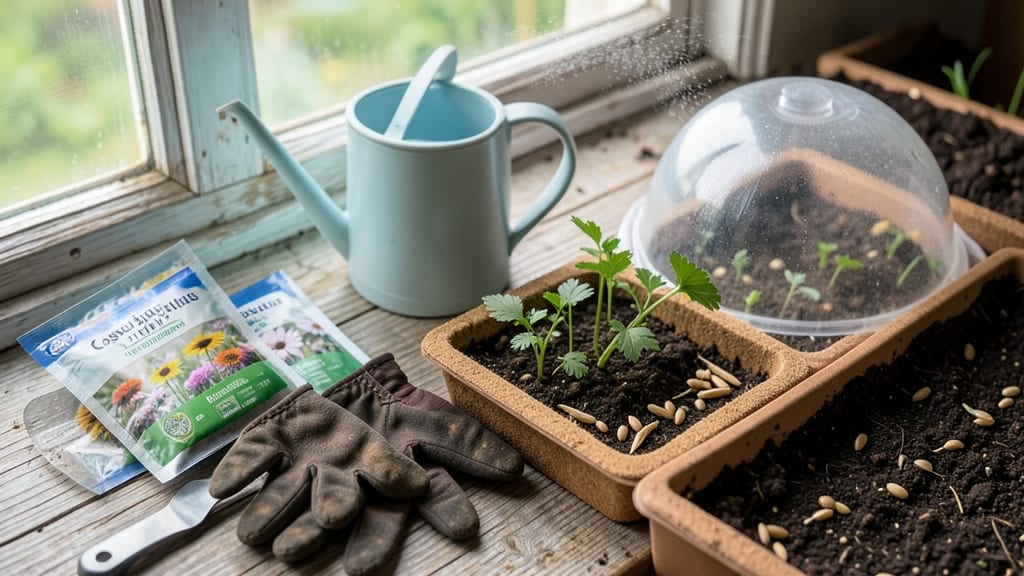
Wildflower germination time can feel like waiting for a miracle—some seeds pop in days, others take months, and some never make it past the soil.
But here’s the secret: cold stratification—a simple freezer trick—can cut weeks off that wait and turn stubborn seeds into happy sprouts. If you’ve ever stared at a tray of damp paper towels wondering why nothing’s happening, this method might be your game-changer.
Not all wildflowers need it, but many do—especially natives adapted to harsh winters. A few weeks in the fridge mimics nature’s way of breaking dormancy, and the results? Faster, stronger, and more reliable germination than you’d get from planting dry.
Below, I’ll walk you through exactly how to do it, which seeds benefit most, and the common mistakes that kill even pre-stratified seeds before they sprout.
How cold stratification accelerates wildflower germination time
If you've ever waited weeks—or even months—for wildflower seeds to sprout, you're not alone. Many wildflower species have natural dormancy that prevents them from germinating immediately. That's where cold stratification comes in.
This simple technique mimics winter conditions to trick seeds into thinking spring has arrived, dramatically speeding up wildflower germination time. For example, black-eyed susans and coneflowers often need this process to break their tough seed coats.
Cold stratification involves storing seeds in a moist, cold environment for a set period before planting. Think of it as giving your seeds a mini-winter in your fridge or a cool basement. This process can cut germination time in half for many species, turning a 6-week wait into just 3.
The science behind it is fascinating: cold temperatures and moisture trigger hormonal changes in the seed that signal it's time to grow.
Not all wildflower seeds require stratification, but many native species do. For instance, milkweed and lupine often need this step to break dormancy. Without it, you might end up with low germination rates or seeds that simply refuse to sprout.
The good news? Stratification is easy to do at home with just a few supplies and a little patience.
Here’s what you need to know about the ideal conditions for cold stratification to maximize your success:
The temperature range of 34–40°F is critical because it mimics the natural winter chill many wildflower seeds experience in their native habitats. If the temperature drops below freezing, it can damage the seeds, while temperatures above 40°F may not trigger dormancy effectively.
For example, bluebonnets thrive with 6–8 weeks of stratification at 40°F, while goldenrod may only need 4 weeks.
Moisture is another key factor. Seeds should be damp but not waterlogged. A common method is to mix seeds with slightly moist sand or place them between damp paper towels in a sealed bag.
Overwatering can lead to mold growth, while too little moisture prevents the seeds from absorbing water and breaking dormancy. Think of it like a mini-greenhouse where humidity is controlled but not excessive.
Duration varies by species, but most wildflower seeds benefit from 2–12 weeks of stratification. Some fast growers like cosmos may only need 2 weeks, while slower species like milkweed could require up to 12 weeks.
Always check the seed packet for specific recommendations, as native species often have unique requirements tied to their regional climate. For instance, seeds from colder climates may need longer stratification than those from warmer regions.
Once your seeds have completed their cold stratification period, it's time to plant them outdoors. The transition from cold to warm conditions signals the seeds to germinate. You’ll often see the first sprouts within 7–14 days after planting, depending on the species and soil temperatures.
For example, lupine seeds that have been stratified might sprout in as little as 10 days, compared to 4–6 weeks without stratification.
If you're planning a wildflower meadow or native garden, stratification can make the difference between a patchy, slow-growing plot and a vibrant, thriving landscape. Many gardeners swear by this method, especially when dealing with native wildflowers that are adapted to local climates.
The upfront effort pays off with faster, more reliable germination and healthier plants overall.
Pro tip: Label your seeds and containers before stratification to keep track of species and timing. This helps you monitor progress and adjust your planting schedule accordingly. With the right conditions, you’ll be rewarded with a burst of color and life that’s well worth the wait.
Wildflower germination time by seed type: fast vs. slow sprouters
Wildflowers don't all sprout on the same timeline—some burst through soil in less than two weeks, while others take two months or more. Understanding these differences helps you plan better and avoid disappointment.
Fast-sprouting varieties like cosmos and zinnia reward patience with quick results, while native species like milkweed or lupine often need cold stratification to break dormancy.
Cold stratification—simply chilling moist seeds in the fridge for 2-12 weeks—can transform slow sprouters into reliable performers. For example, black-eyed susan seeds typically take 10-21 days without stratification, but with a 6-week cold treatment, they often sprout in just 7-14 days.
This trick mimics nature's winter-spring cycle, tricking seeds into thinking it's time to grow.
Let's break down the fastest-sprouting wildflowers first. Cosmos seeds often germinate in 7-14 days without stratification, making them perfect for impatient gardeners. Zinnias follow closely with 10-14 days, while sunflowers (like the Moulin Rouge variety) typically sprout in 7-21 days.
These varieties thrive in warm soil (at least 60°F) and don't need cold treatment, though a brief 2-week stratification can still help.
On the slower end, native wildflowers often require patience. Milkweed seeds, for example, can take 30-60 days to germinate, even with stratification. Lupines and coneflowers also fall into this category, needing 10-12 weeks of cold treatment for best results.
These species evolved to survive harsh winters, so their seeds often won't sprout without dormancy-breaking.
Regional climate plays a huge role too. In cooler northern zones (USDA 3-5), many wildflowers naturally stratify over winter, so they may sprout faster in spring with minimal extra effort.
But in warmer southern zones (USDA 7-10), even "fast" seeds like cosmos might take 2-3 weeks longer to germinate without stratification. Always check your seed packet for regional germination notes—they're gold for success!
Pro tip: Mix fast and slow sprouters in your meadow for continuous blooms. Plant cosmos and zinnias first in spring, then add milkweed or coneflowers later. This way, you'll enjoy color all season long without waiting months for your slowest growers to catch up.
Just remember: patience pays off—especially with native wildflowers that support pollinators! 🌼