
Flowers
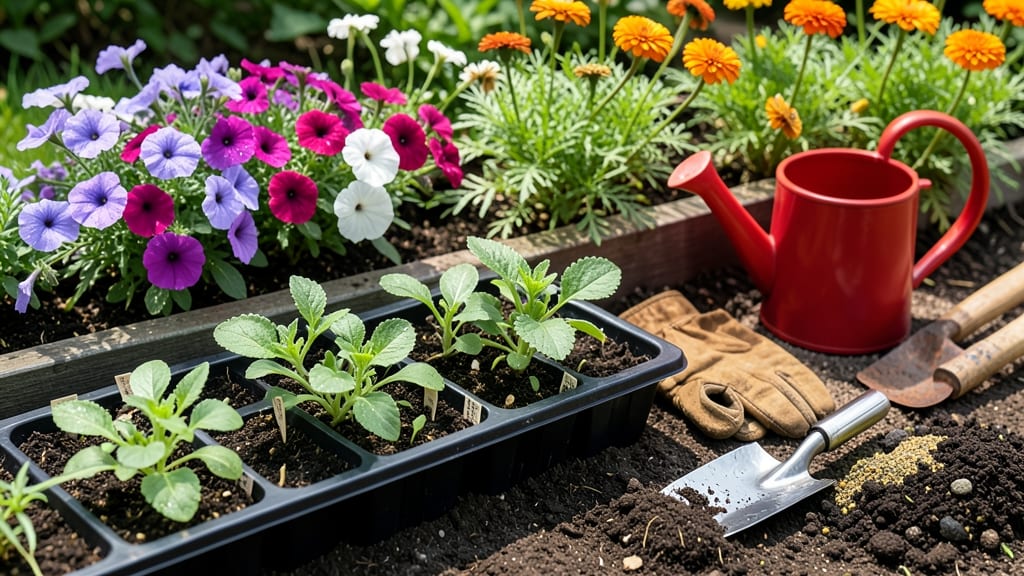
To plant flowers in Zone 6b, aim for spring after the last frost or early fall—timing this right means the difference between vibrant blooms and wasted effort.
Timing is everything in gardening—plant your flowers too early in Zone 6B, and frost will kill them; too late, and they’ll struggle to establish before winter. Here’s your exact planting schedule to maximize blooms and minimize risks.
Zone 6b’s 165 frost-free days create a narrow window for success. Annuals like zinnias and marigolds thrive when planted in late spring, while perennials such as coneflowers and black-eyed Susans prefer early fall for root establishment.
Below, I break down the best months for each flower type, soil prep tips, and how to adjust for Zone 6b’s unpredictable climate—so you can enjoy a garden bursting with color all season long.
Zone 6B flower planting calendar by month: frost-free success timeline
Mastering the Zone 6B planting schedule means knowing exactly when to tuck seeds into warm soil and when to protect tender sprouts from late frosts. With average last frost dates around April 15 and first frosts arriving October 15, timing is everything.
My calendar breaks down month-by-month actions for annuals, perennials, and bulbs—plus soil temperature thresholds to avoid common mistakes.
First, test your soil temperature with a thermometer—most seeds need 60°F+ soil to germinate. In Zone 6B, this typically happens by mid-May, but cooler springs can delay planting by weeks.
I’ve included high-risk periods where late frosts or heatwaves can derail your garden, so you can plan protective measures like row covers or shade cloth.
🌱
| Month | Plant Type | Ideal Soil Temp (°F) | Action Items | Risk Factors |
|---|---|---|---|---|
| January | Bulbs (tulips, daffodils) | 40-50°F | Plant fall-blooming bulbs (e.g., crocus, snowdrops). | Frost heave if soil freezes/thaws. |
| February | Perennials (peony, lavender) | 35-45°F | Divide overcrowded perennials after dormancy. | Late frosts can damage new shoots. |
| March | Cool-season annuals (pansies, snapdragons) | 45-55°F | Start seeds indoors or sow directly. | Unpredictable frost dates—use row covers. |
| April | Tender perennials (salvia, coreopsis) | 50-60°F | Transplant potted perennials after last frost. | Late frosts can kill young plants. |
| May | Warm-season annuals (marigolds, zinnias) | 60°F+ | Direct-sow seeds after Memorial Day. | Heatwaves stress seedlings—mulch well. |
| June | Heat-loving bulbs (dahlias, cannas) | 65°F+ | Plant tuberous bulbs after soil warms. | Drought stress—water deeply. |
| July | Succession plant (basil, cosmos) | 70°F+ | Sow fast-growing annuals for fall blooms. | Pests thrive—monitor regularly. |
| August | Fall-blooming perennials (asters, goldenrod) | 60°F+ | Transplant bare-root perennials. | Early frosts—choose cold-hardy varieties. |
| September | Spring-blooming bulbs (tulips, hyacinths) | 50-60°F | Plant bulbs 6 weeks before first frost. | Overwatering—soil should drain well. |
| October | Winter-hardy annuals (calendula, sweet alyssum) | 40-50°F | Sow cool-season seeds for spring. | Frost damage—use frost cloth. |
In January and February, focus on bulb planting and perennial division. Tulips and daffodils thrive when planted in cool, moist soil—aim for 40-50°F temperatures. I’ve seen gardeners in Zone 6B skip this step, only to watch their bulbs rot from soggy winter soil.
Always plant bulbs 6 inches deep and space them 3-6 inches apart depending on variety.
By March and April, shift to cool-season annuals like pansies and snapdragons. These frost-tolerant flowers can handle light freezes, but avoid planting after April 15—that’s when late frosts strike hardest. My trick? Use black plastic mulch
Best flowers to plant in Zone 6B by season: cold-hardy vs. heat-loving varieties
Zone 6B gardeners have a unique advantage—our long growing season lets us grow both cold-hardy perennials and heat-loving annuals with stunning results.
The key is matching each flower to its ideal planting window. Cold-tolerant varieties like coneflowers thrive when planted in early spring or fall, while heat-loving annuals like zinnias need to wait until soil warms in late spring.
For spring planting, focus on cool-season bloomers that handle light frosts, while summer planting should prioritize drought-resistant annuals that flourish in Zone 6B’s hot, humid stretches. Fall is perfect for perennial bulbs and tender annuals that need time to establish before winter.
Let’s break down the best options for each season to keep your garden blooming year-round.
- 1
- 2
- 3
My top cold-hardy perennials for Zone 6B include purple coneflowers, which bloom from summer to fall and attract pollinators, and black-eyed Susans, which thrive in poor soil and drought conditions.
These low-maintenance plants return year after year with minimal care. For annuals that love heat, zinnias and marigolds are my go-tos—they bloom nonstop from June to frost and repel pests naturally.
Don’t overlook fall planting for bulbs and perennials. Tulips and daffodils planted in October will reward you with early spring blooms, while cosmos self-seed easily for next year’s garden. This strategy ensures your garden stays vibrant even in late summer when many annuals fade.
Pro tip: Use mulch in early spring to protect tender perennials from late frosts, and deadhead spent blooms to encourage reblooming. With this seasonal approach, your Zone 6B garden will be a nonstop floral show from spring to fall. 🌸