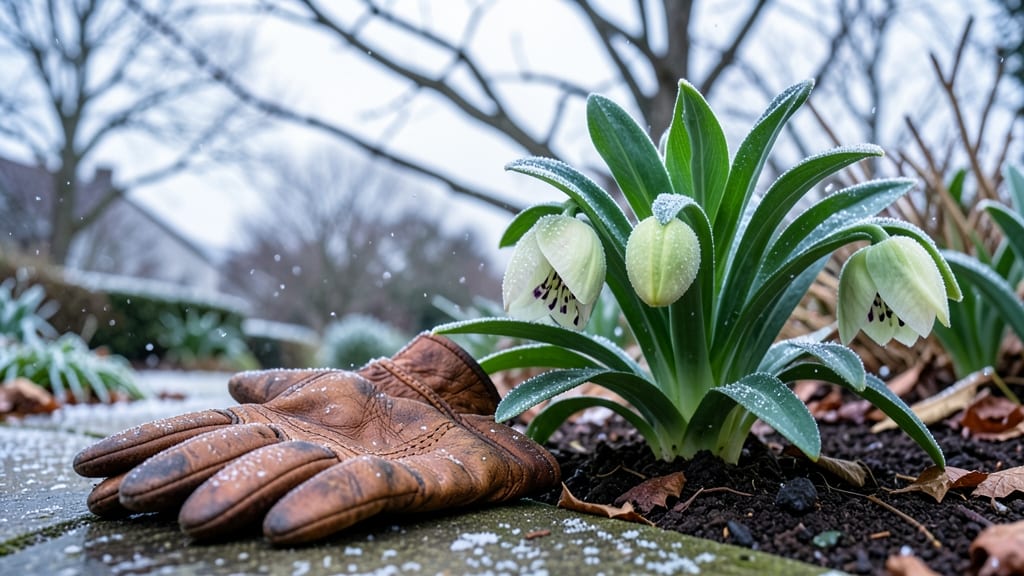
Are there flowers that bloom in winter? They bring color and life to frost-kissed gardens when most plants are dormant, proving that cold climates can still be vibrant.
Picture this: your yard wrapped in a quiet blanket of snow, yet bright yellow Winter Jasmine 🌸 twinkles like tiny lanterns against the white backdrop. It’s not just a dream—it’s a reality for gardeners who know where to look.
From hardy hellebores that brave the chill to delicate camellias that thrive in coastal climates, these winter bloomers are more than just survivors—they’re showstoppers. Whether you’re in USDA Zone 5 or Zone 9, there’s a flower that will defy the cold and keep your garden alive with color.
Below, I’ll share 15 cold-hardy varieties that bloom in winter, their care secrets, and how to create a winter garden that feels like a cozy retreat—no matter how harsh the season gets.
15 Cold-hardy flowers that bloom in winter (with USDA zones)
Winter doesn’t have to mean a colorless garden. Cold-hardy flowers like winter jasmine and snowdrops thrive in frost, offering vibrant blooms when most plants rest. These USDA Zone 3-9 varieties bring life to chilly landscapes with minimal care.
Whether you're in Zone 3 or Zone 9, these flowers prove winter gardens can be just as stunning as summer ones.
Many gardeners assume winter means dormant landscapes, but nature has winter-blooming champions like witch hazel and hellebores that defy the cold. These plants evolved to bloom in late fall through early spring, providing nectar for pollinators when food is scarce.
Their secret? Deep root systems and frost-resistant foliage that protect delicate blooms.
Below is your zone-specific guide to 15 winter-blooming flowers, including care tips, sunlight needs, and hardiness zones. I’ve organized them by USDA Zone to help you select the best options for your climate.
| Flower Name |
USDA Zones |
Bloom Time |
Sunlight Needs |
Care Tips |
| Hellebores (Lenten Rose) |
3-9 |
Late fall to early spring |
Partial shade |
Deadhead spent blooms; mulch heavily |
| Witch Hazel |
4-8 |
Late fall to winter |
Full sun to partial shade |
Prune in late spring; tolerates dry soil |
| Snowdrops (Galanthus) |
3-9 |
January to March |
Partial to full shade |
Plant bulbs in fall; minimal watering |
| Winter Jasmine |
5-9 |
Late winter |
Full sun |
Train on trellis; prune after blooming |
| Camellias |
7-10 |
Winter to early spring |
Partial shade |
Acidic soil; protect from harsh winds |
| Crocuses |
3-8 |
Late winter |
Full sun |
Plant bulbs in fall; fertilize lightly |
| Daphne |
6-9 |
Winter to early spring |
Partial shade |
Well-draining soil; avoid overwatering |
| Pansies |
5-10 |
Fall to spring |
Full sun to partial shade |
Deadhead regularly; mulch for frost protection |
| Violas |
4-9 |
Fall to spring |
Partial shade |
Keep soil moist; pinch back for bushiness |
| Mahonia |
5-9 |
Late winter |
Partial shade |
Prune after blooming; tolerates shade |
| Winter Aconite |
3-8 |
Late winter |
Full sun to partial shade |
How to create a stunning winter garden: design tips and pairings
Winter gardens thrive when you combine winter-blooming flowers with evergreens and structural plants to create year-round visual interest. The key is layering textures, colors, and heights while ensuring plants complement each other's care needs.
For example, hellebores and winter jasmine pair beautifully with boxwoods and holly for a lush, frost-resistant display.
Start with a color palette that pops against the winter backdrop. Deep purples, whites, and soft yellows from flowers like camellias and witch hazel contrast beautifully with evergreen foliage like pine or cedar. Add ornamental grasses for movement and structure, while mulch in earthy tones ties everything together.
Here’s how to design a cohesive winter garden with seasonal interest and low-maintenance pairings:
-
Layer Heights: Place tall evergreens (like arborvitae) at the back, mid-height shrubs (such as camellia) in the middle, and low-growing perennials (like snowdrops) in the front.
-
Mix Textures: Combine smooth-leaved evergreens (e.g., boxwood) with spiky conifers (e.g., juniper) and delicate winter blooms (e.g., hellebore) for contrast.
-
Add Seasonal Accents: Use ornamental berries (like holly) or seed heads (e.g., coneflower) for extra winter charm without extra care.
-
Incorporate Containers: Potted winter jasmine or cyclamen near doorways or patios brighten small spaces with minimal ground space.
-
Light Up the Dark: Install solar-powered garden lights to highlight evergreen shrubs or winter-blooming trees like cherry blossoms (if in mild zones).
Don’t overlook ground cover like ivy or creeping thyme to fill gaps and prevent weeds. These plants also add color and texture while requiring minimal upkeep. For a fragrant touch, include winter daphne or sweet box, whose scents linger even in cold air.
Test your garden’s microclimates—south-facing walls or sunny spots can extend the growing season for delicate winter blooms. Group plants with similar water and sunlight needs together to simplify care. For example, drought-tolerant lavender and rosemary pair well with succulents in containers.
Finally, prune strategically in late winter to encourage new growth. Remove dead foliage from evergreens and shrubs, but leave seed heads for winter interest. A little mulch around the base of plants insulates roots and retains moisture—critical for winter-blooming perennials like snowdrops.
With these design tips and plant pairings**, your winter garden will stay vibrant, structured, and full of life—even when the world outside is blanketed in snow. 🌿❄️🪴
★★★★★4.8(15 reviews)
|