
Blooming
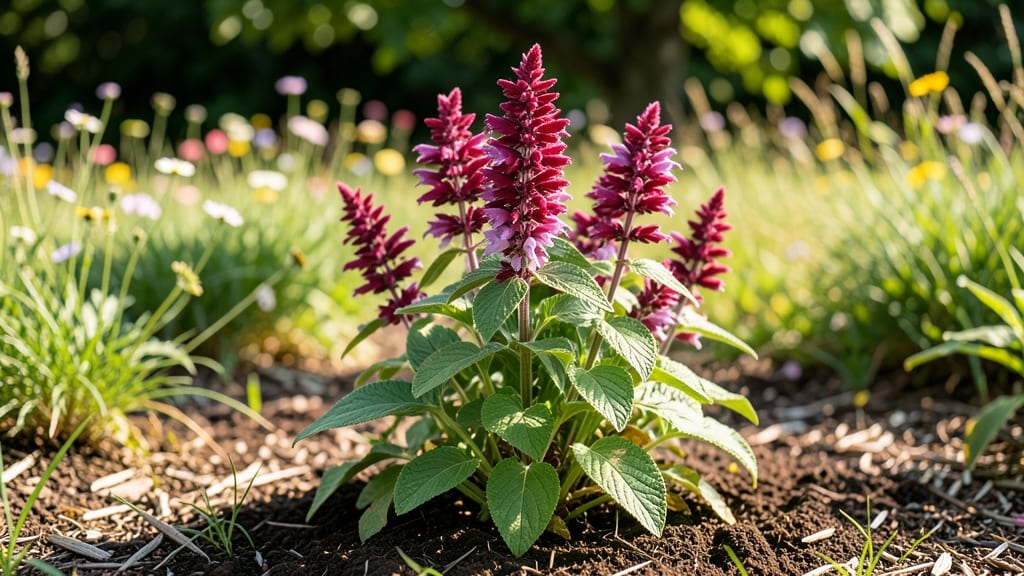
Timing the bee balm flowering time is the secret to a garden that hums with pollinators all summer 🐝 — and getting it right means more vibrant blooms for longer.
Picture this: you’ve just planted your bee balm in spring, and now you’re waiting for those signature red, pink, or purple spikes to appear. But how long will it take? The answer depends on your USDA zone, sunlight, and even your pruning habits.
In Zone 6a, where many gardeners grow bee balm, you’ll typically see first blooms in July, with peak color lasting through September. But cooler zones like 3-5 can delay flowers until August, while warmer zones (7-10) might burst into bloom as early as June.
Below, I’ll break down exactly when to expect flowers in your area, plus pro tips to extend that blooming season—so you can enjoy a pollinator magnet from early summer right through fall.
Bee balm flowering time by USDA hardiness zones
If you're planning your garden's summer color palette, knowing when bee balm blooms is key. This pollinator magnet thrives in USDA Zones 3-10, but its first flowers arrive at different times depending on where you live.
For example, gardeners in Zone 3 might spot their first blooms in late June, while those in Zone 10 could see them as early as April. Understanding these variations helps you time companion plants and enjoy a continuous summer display.
The peak bloom window for most Monarda species (like 'Jacob Cline' and 'Marshall's Delight') typically spans 6-8 weeks, but cooler climates compress this timeline.
In Zones 4-6, you'll often see a shorter but more intense bloom period, while warmer zones (7-10) may enjoy staggered blooms from spring through fall. Let's break down what to expect in your specific zone.
| USDA Zone | First Bloom Time | Peak Bloom Window | Notes for Varieties |
|---|---|---|---|
| 3-4 | Late June | July - Early August | Cold-hardy varieties like 'Purple Haze' bloom later but thrive longer. |
| 5-6 | Early to Mid-June | June - Late July | 'Jacob Cline' is a top performer with extended blooming in these zones. |
| 7-8 | May | June - August | 'Marshall's Delight' often blooms earliest in these warmer climates. |
| 9-10 | April | May - September | Tropical varieties may rebloom if deadheaded regularly. |
In Zones 3-4, where winters are harsh, bee balm often waits until soil temperatures reach 55°F+ before sending up new growth. This delay explains why first blooms don't appear until late June. However, once established, these plants can continue flowering into early August if given proper care.
I've found that adding a 3-inch layer of mulch in early spring helps warm the soil faster, potentially nudging blooms forward by 1-2 weeks.
Gardeners in Zones 5-6 enjoy the sweet spot for bee balm's performance. With 6-8 weeks of peak blooms from June to July, these regions often see the most vibrant displays. The variety 'Jacob Cline' is particularly reliable here, producing 3-4 foot spikes of magenta blooms that attract hummingbirds and bees.
For maximum impact, pair it with coneflowers or black-eyed Susans, which bloom slightly later and extend your seasonal color.
Warmer Zones 7-8 experience an earlier start to bee balm's blooming season, with first flowers often appearing in May. This timing creates opportunities for spring-to-fall color when combined with early bloomers like columbine or lupine.
In my Zone 7b garden, I've noticed that 'Marshall's Delight' begins flowering 2-3 weeks earlier than other varieties, making it ideal for extending the season. Just be mindful of powdery mildew in humid summers—spacing plants 24 inches apart improves airflow and reduces fungal risks.
For those in Zones 9-10, bee balm's blooming season feels almost endless. With first flowers in April and potential reblooms through September, these regions can enjoy 5+ months of color if deadheaded regularly.
I recommend choosing heat-tolerant varieties like 'Croftway Pink', which handles 90°F+ temperatures better than traditional types. In these zones, bee balm also serves as a year-round pollinator host, with some varieties providing winter interest through seed heads.
One common question I hear is whether bee balm blooms annually in all zones. The answer depends on your climate: Zones 3-5 may see one intense bloom period, while Zones 6-10 often experience reblooming if spent flowers are removed.
To encourage multiple flushes, I deadhead every 2-3 weeks during peak season. This simple task can extend your blooming window by 4-6 weeks in favorable conditions.
If you're new to growing bee balm, remember that full sun exposure (6
How to extend bee balm’s blooming season naturally
Bee balm (Monarda spp.) thrives on attention, and with the right care, you can turn its mid-summer blooms into a continuous floral display through early fall. The key lies in encouraging reblooming—a process that rewards patience with longer pollinator support and extended garden interest.
Unlike many perennials, bee balm naturally produces secondary blooms if you help it along with simple techniques.
Most gardeners assume bee balm’s flowering season ends after its initial peak bloom (typically July-August), but with strategic pruning, soil optimization, and smart companion planting, you can coax 3-4 weeks of extra flowers.
The best part? These methods are chemical-free and work for both cultivated varieties like 'Jacob Cline' and native species alike. Let’s dive into the proven tactics that’ll keep your bee balm looking fresh well into autumn.
- 🌿 Deadhead weekly – Snip spent blooms just above leaf nodes to redirect energy to new flowers. Use clean, sharp shears to avoid disease.
- ☀️ Boost sunlight – Ensure 6+ hours of direct sun daily. Move potted bee balm to sunnier spots if needed.
- 💧 Water deeply – 1 inch per week during dry spells. Mulch with 2-3 inches of organic matter to retain moisture.
- ✂️ Light pruning – Trim 1/3 of stems after first bloom to encourage compact, bushier growth and more flowers.
- 🌱 Adjust soil pH – Test soil; aim for 6.0-7.0 pH. Amend with lime (to raise pH) or peat moss (to lower pH) if needed.
- 🐝 Plant companions – Pair with thyme, lavender, or coneflowers to attract more pollinators and deter pests.
- 🌡️ Protect from frost – Cover plants with frost cloth if early frosts threaten. Bee balm can rebloom until first frost in most zones.
Start with deadheading, the simplest way to extend blooms. As flowers fade, their energy shifts to seed production instead of new blooms. Grab your pruning shears and snip stems 1/4 inch above the next set of leaves.
This encourages lateral branching, leading to denser, bushier plants with more flower buds. I’ve seen bee balm plants go from one flush of blooms to three distinct waves just by sticking to this weekly habit.
Don’t overlook soil health—bee balm craves well-draining, slightly acidic soil. If your garden soil is alkaline or compacted, amend it with compost and peat moss before planting. A soil test kit (available at garden centers for ~$10) reveals pH levels.
Aim for 6.0-7.0; below 5.5 stunts growth, while above 7.5 reduces bloom quality. For container-grown bee balm, use a lightweight potting mix with perlite to prevent root rot.
Companion planting works wonders for bee balm. Pair it with pollinator-friendly plants like butterfly weed or bee-friendly basil to create a self-sustaining ecosystem. These plants attract more bees, which boost pollination rates and indirectly stimulate more bee balm flowers.
Avoid planting near mint or strong herbs, which can compete for nutrients or overpower bee balm’s growth. A 3-foot radius of compatible companions keeps your bee balm thriving.
Finally, watch for late-season pests like aphids or spider mites, which can stress plants and cut blooms short. Spray plants with a neem oil solution (1 tsp neem oil + 1 quart water) every 2 weeks as a preventive measure.
Healthy bee balm is resilient, but early intervention ensures those autumn blooms stay vibrant until frost. With these tips, your bee balm will outperform expectations and keep your garden buzzing well into fall.