
Shrubs
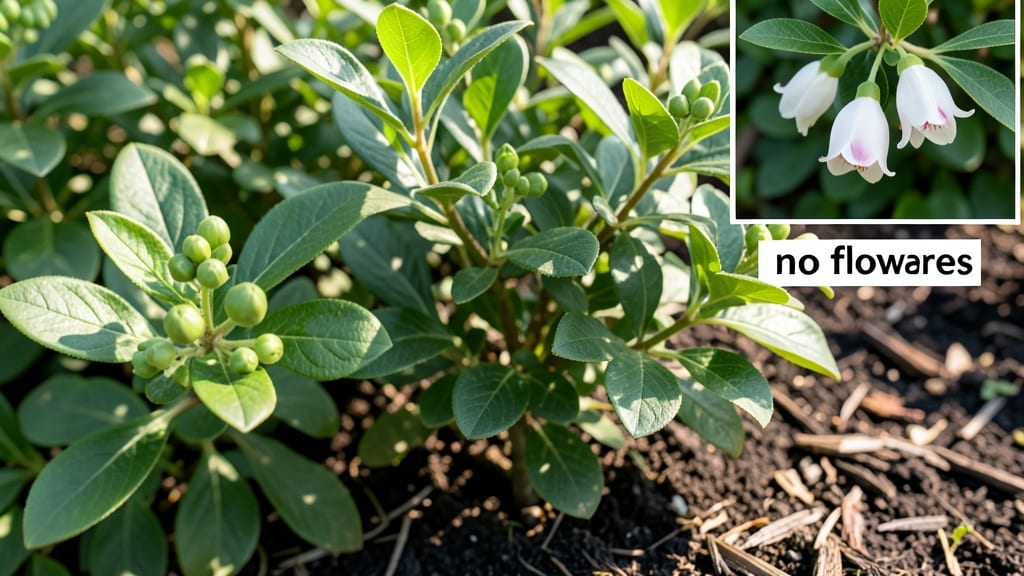
A blueberry bush not flowering can turn a thriving shrub into a frustrating eyesore, especially when you’re dreaming of summer harvests 🫐.
Your blueberry bush is thriving with lush green leaves but refuses to produce flowers—leaving you with no berries and a growing sense of frustration. The good news? Most flowering issues can be diagnosed and fixed within a single growing season with the right adjustments.
Whether it’s a lack of winter chill, improper pruning, or soil that’s just not right, the key to reviving your bush lies in understanding what it truly needs to bloom.
Below, I’ll walk you through the three most common causes of non-flowering blueberries and the simple steps to bring those blossoms back—so you can enjoy a bountiful harvest next season.
3 Most common reasons your blueberry bush isn’t flowering (and how to fix them)
If your blueberry bush has vibrant green leaves but stubbornly refuses to flower, don’t panic—this is a fixable issue. The problem often stems from three key factors: insufficient chilling hours, improper pruning techniques, or nutrient deficiencies.
Each of these can block your bush from entering its flowering phase, but with targeted adjustments, you can restore blooms—and eventually, berries—in just one growing season.
Blueberries are deciduous shrubs that require specific conditions to trigger flowering. Unlike many plants, they need a period of cold dormancy (chilling hours) to break dormancy and produce flowers.
If your climate doesn’t provide enough cold, or if your bush isn’t getting the right care, it may skip this critical step. Let’s dive into the three most common culprits and how to address them before your next harvest season.
-
1Insufficient Chilling Hours
Blueberries need 800-1,000 hours of temps below 45°F to flower. Without this, buds won’t form. -
2Improper Pruning Timing
Pruning at the wrong time (e.g., late winter) removes next year’s flower buds. Always prune after harvest in summer. -
3Nutrient Deficiencies
Lack of phosphorus or potassium stunts flower production. Test soil pH (4.5-5.5) and amend with acid-loving fertilizer.
Let’s tackle the first issue: chilling hours. If you live in a warm climate (like USDA Zones 8-10), your blueberry bush may not be getting enough cold exposure.
Southern gardeners often choose southern highbush varieties like 'Southern Blue' or 'Misty,' which require fewer chilling hours (300-500 hours). If you’re growing a northern highbush (e.g., 'Bluecrop'), consider relocating your bush to a cooler microclimate or using artificial chilling methods like a cold frame during winter.
For improper pruning, timing is everything. Blueberry flowers form on one-year-old wood, so pruning too late in winter (when buds are forming) can remove next year’s blooms. Instead, prune right after harvest in late summer to encourage new growth for next season’s flowers.
Remove dead or diseased wood first, then thin out crowded branches to improve airflow. Avoid heavy pruning—stick to 20-30% of the bush to avoid stressing the plant.
Finally, nutrient deficiencies can silently sabotage flowering. Blueberries thrive in acidic soil (pH 4.5-5.5), and a pH above 6.0 locks out essential nutrients like iron and phosphorus. Test your soil and amend with sulfur or peat moss if needed.
Fertilize in early spring with a balanced, acid-loving fertilizer (e.g., 10-10-10) and again after harvest to support flower development. Over-fertilizing with nitrogen can also delay flowering, so follow a low-nitrogen schedule.
To diagnose which issue is affecting your bush, observe these clues: Small or no leaves may signal chilling hour deficits, while yellowing leaves often point to nutrient deficiencies. If your bush has lots of leaves but no buds, improper pruning is likely the culprit.
Addressing these issues early—before next spring—can restore your bush’s flowering cycle and set you up for a bountiful harvest.
Don’t forget to monitor your bush’s watering needs during the growing season. Blueberries need consistent moisture, especially when flowers form. Water deeply 1-2 times per week and mulch around the base to retain moisture and regulate soil temperature.
A well-hydrated bush is more resilient to stress and better equipped to produce flowers.
With these fixes in place, your blueberry bush should start forming buds within 6-12 months. Patience is key—blueberries can take 2-3 years to mature fully, but once they’re established, they’ll reward you with years of abundant harvests.
Keep an eye out for white or pink flower clusters next spring as a sign your efforts are paying off!
If your bush still isn’t flowering after a year of adjustments, consider consulting a local extension service for a soil test or pest inspection. Sometimes, root rot or insect damage can hinder growth without obvious symptoms.
But in most cases, these three fixes will get your blueberry bush back on track to flowering—and fruiting—glory.
How to adjust pruning and fertilizing for blueberry flowering success
When your blueberry bush produces lush foliage but skips flowering, the issue often lies in pruning timing or nutrient imbalances. Blueberries require precise care to trigger flower buds, and small adjustments can make a dramatic difference.
Let’s dive into the science of pruning for flowering and the fertilizer schedule that encourages blooms.
First, understand that blueberry bushes flower on one-year-old wood, meaning last year’s growth produces this year’s flowers. If you prune too aggressively or at the wrong time, you risk removing potential flower buds.
The key is to prune after harvest (late summer to early fall) to preserve next year’s blooms while removing dead or diseased wood.
Pros and Cons of Pruning Timing
✂️ Prune After Harvest (Late Summer/Fall)
- ✅ Preserves flower buds on one-year-old wood
- ✅ Removes dead/diseased branches without harming growth
- ✅ Encourages strong root development for next season
❌ Prune in Early Spring
- ❌ Risks removing flower buds before they open
- ❌ Can stimulate excessive leafy growth at the expense of flowers
💡 Fertilizer Tip for Flowering
Use a balanced acid-loving fertilizer (10-10-10 NPK) in early spring and after harvest. Avoid high-nitrogen fertilizers, which promote leafy growth over flower production.
Next, let’s talk fertilizer timing. Blueberries thrive with acidic soil (pH 4.5-5.5) and need phosphorus and potassium to support flowering.
Apply a slow-release fertilizer in early spring (just as new growth begins) and again after harvest to replenish nutrients. Over-fertilizing with nitrogen will result in leafy bushes but no flowers.
For young blueberry bushes (under 3 years old), focus on root development with a low-nitrogen fertilizer. Mature bushes (3+ years) can handle a balanced formula applied in three doses: early spring, post-harvest, and late summer. Always water deeply after fertilizing to prevent root burn.
One common mistake is pruning too late in fall, which delays bud formation for next year. If your bush is overgrown, thin out old canes (6+ years) to improve air circulation and light penetration.
Use clean, sharp pruners and make cuts at a 45-degree angle just above a bud or branch.
Finally, monitor your blueberry bush for stress signs like yellow leaves or stunted growth, which may indicate nutrient deficiencies or pH imbalances. Test your soil annually and amend with peat moss or sulfur if needed.
With the right pruning and fertilizing schedule, your bush should bloom abundantly next season.