
Planting
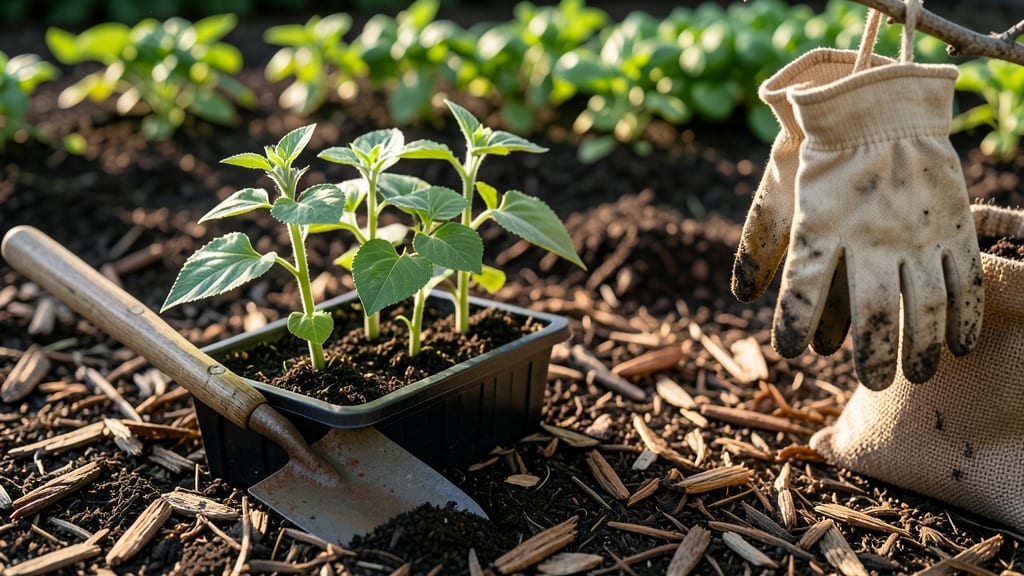
Planting sunflowers in fall is possible with the right varieties and care—just pick frost-tolerant types and time it right for your zone.
Sunflowers are summer’s brightest stars—but what if you could grow them later in the season? Fall planting is possible with the right varieties and techniques, giving you a second chance to enjoy towering blooms before winter.
In USDA Zone 6a and warmer, you can sow seeds as late as September for blooms before the first frost. The key is choosing fast-maturing varieties like 'Autumn Beauty' and protecting seedlings with mulch or row covers.
Below, I’ll cover the best late-season sunflowers, planting steps for your region, and how to avoid common mistakes that kill fall crops.
Best fall-planting sunflower varieties that tolerate frost
Fall-planted sunflowers can still thrive if you choose the right cold-hardy varieties. These late-season bloomers tolerate light frosts and deliver stunning autumn colors before winter sets in. The key is selecting fast-maturing types that finish blooming before hard freezes arrive.
Most sunflowers need 60–90 days to mature from seed. For fall planting, focus on varieties that reach full bloom in 50–70 days—leaving room for 5–10°F dips without damage. These frost-tolerant types also handle shorter daylight better than standard summer varieties.
Here’s my curated list of top-performing fall sunflowers, ranked by frost resistance, height, and autumn color. Each variety includes maturity days, height range, and USDA zone suitability for late-season planting.
Autumn Beauty is my top pick for fall color—its multi-colored blooms (red, yellow, bronze) create a stunning autumn display. Plant this variety 8–10 weeks before your first frost to ensure it finishes blooming. It thrives in USDA zones 3–9, making it versatile for most climates.
Moulin Rouge stands out with its deep red petals and compact stature, perfect for small gardens or container growing. Its 55–65-day maturity makes it ideal for late August/early September planting in warmer zones (4–10). This variety also attracts pollinators late into the season.
For dwarf varieties, Teddy Bear and Sunspot are excellent choices. Both reach mature heights of just 2–3 feet, making them ideal for patio gardens or window boxes. Their 50–60-day maturity ensures they bloom quickly, even in shorter
Step-by-step guide: how to plant sunflowers in fall for winter blooms
Fall-planted sunflowers can be a stunning surprise when they bloom just before winter—if you follow the right steps. The key is choosing cold-hardy varieties and adjusting your planting timeline based on your USDA zone.
In zones 3–6, aim for late August to early September, while zones 7–10 can plant until mid-October. Timing ensures seedlings establish roots before the first frost.
Start by testing your soil temperature—sunflowers need at least 50°F (10°C) to germinate. Amend your soil with compost or aged manure to improve drainage, as fall-planted sunflowers hate soggy roots.
A pH between 6.0–7.0 is ideal. If your soil is heavy clay, mix in sand or perlite to prevent waterlogging during winter rains.
After planting, monitor your sunflowers for late-season pests like aphids or slugs. Aphids thrive in cool weather—blast them off with a soapy water spray, while slugs can be deterred with copper tape barriers.
If your region experiences early snow, consider container growing to move plants to a sheltered spot.
With the right care, your fall-planted sunflowers will reward you with vibrant blooms in late autumn, adding cheer to winter gardens. Just remember: patience and protection are key when pushing sunflowers beyond their usual growing season. Happy planting!