
Flowers
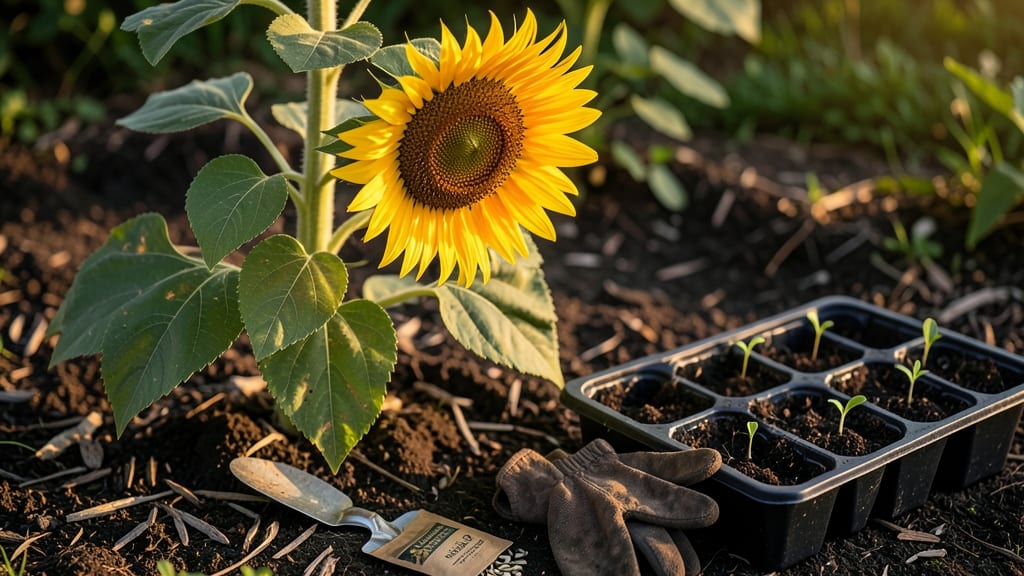
To plant sunflowers in California, aim for early spring or late summer—timing that avoids the state’s unpredictable heat spikes and coastal fog delays.
Sunflowers bring vibrant color and joy to California gardens—but planting them at the wrong time can mean wilted dreams before they even bloom. Timing matters more than you think, especially with California’s diverse microclimates and unpredictable weather patterns.
Coastal regions like Zone 10 can start seeds year-round, while inland deserts (Zones 9b-10a) thrive with fall plantings. The key is matching your sunflower varieties to your local frost-free window—whether that’s January for coastal areas or August for the Central Valley.
Below, I’ll break down the best planting windows by region, heat-resistant varieties that won’t bolt in summer, and simple soil prep tricks to ensure your 🌻 sunflowers reach their full potential.
California sunflower planting Zones: when to start by region
California’s diverse climate zones mean sunflowers can thrive year-round—but timing is everything. Northern coastal areas like San Francisco have mild winters, while inland valleys like the Central Valley experience hot summers and cold snaps.
Even Southern California deserts offer frost-free growing seasons. Let’s break down the best planting windows for each region to ensure your sunflowers reach their full 10-foot+ potential.
In Northern California, including USDA Zones 9a-10, your frost-free window starts earlier than you’d expect. Coastal cities like San Francisco and Santa Cruz can plant sunflower seeds as early as late January, while inland areas like Sacramento should wait until mid-March to avoid late spring chills.
The key is planting 6-8 weeks before your region’s last frost, but since coastal areas rarely see frost, focus on soil temperatures—aim for 50°F+ for germination.
Central California, including the San Joaquin Valley and Bay Area outskirts, offers the most flexibility. Here, you can direct-sow sunflower seeds from mid-February to early November, with peak blooms in spring and fall. The Central Valley’s heat (Zones 9a-10a) means summer planting is ideal for heat-resistant varieties like ‘Autumn Beauty,’ which tolerates 95°F+ temperatures without wilting. Just avoid planting in July-August if you’re in fog-prone areas like Palo Alto.
Southern California, from Los Angeles to San Diego (Zones 10a-11), is the easiest zone for sunflowers—plant anytime! Coastal areas like Santa Barbara can grow sunflowers year-round, while inland deserts like Palm Springs thrive with fall and winter plantings to escape the peak summer heat. For desert regions, focus on dwarf varieties like ‘Teddy Bear’ to avoid wind damage and water stress.
For coastal gardeners, timing is less critical due to mild winters, but soil temperature is key. Use a soil thermometer to confirm it’s above 50°F before planting. Inland areas should prioritize spring and fall plantings to avoid the 100°F+ summers that can stress sunflowers.
Pro tip: Mulch heavily in hot zones to retain moisture and cool roots.
If you’re in Northern California’s fog belt, like Monterey, delay planting until April to escape persistent coastal fog, which can stunt growth. Meanwhile, Central Valley gardeners can push the envelope by planting late summer sunflowers (August-September) for fall blooms.
These late plantings often produce hardier plants that survive winter better than spring-sown varieties.
For Southern California’s desert regions, focus on fall and winter plantings to avoid the scor
Heat-resistant sunflower varieties for California’s extreme summers
California’s scorching summers can turn sunflowers into wilted disappointments if you don’t choose the right varieties. The key is selecting heat-tolerant types that thrive under 90°F+ temperatures while still producing stunning blooms. These varieties won’t just survive—they’ll thrive and reward you with vibrant colors from summer through fall.
For coastal gardens where fog delays heat, varieties like 'Autumn Beauty' shine with their drought-resistant roots and prolonged blooming season. Inland areas with 100°F+ heat demand even tougher options like 'Moulin Rouge', which boasts deep red petals and compact growth to handle intense sun.
'Russian Giant' sunflowers are the tallest heat-resistant option, reaching 12-16 feet while maintaining deep root systems to access moisture. Their golden blooms make them showstoppers, but they need staking in windy areas. For smaller spaces, 'Teddy Bear' varieties offer 3-foot charm with double-layered petals that stay vibrant even in 110°F heat.
Timing matters just as much as variety. Plant heat-resistant sunflowers in early spring (March-April) for summer blooms or late summer (August-September) to enjoy fall color. In Southern California’s desert zones, you can even plant year-round with consistent watering. Always direct-sow seeds 1 inch deep—transplants struggle in extreme heat.
Watering is critical during California’s dry spells. Give newly planted sunflowers 1-2 gallons weekly until established, then reduce to bi-weekly deep waterings. Mulch with straw or wood chips to retain moisture and protect roots. Avoid overhead watering in peak afternoon sun to prevent leaf scorch.
With the right heat-resistant varieties and proper care, your California garden can burst with sunflower color even during triple-digit summers. These varieties aren’t just survivors—they’re showstoppers that turn your yard into a golden oasis when others fade.