
Flowers
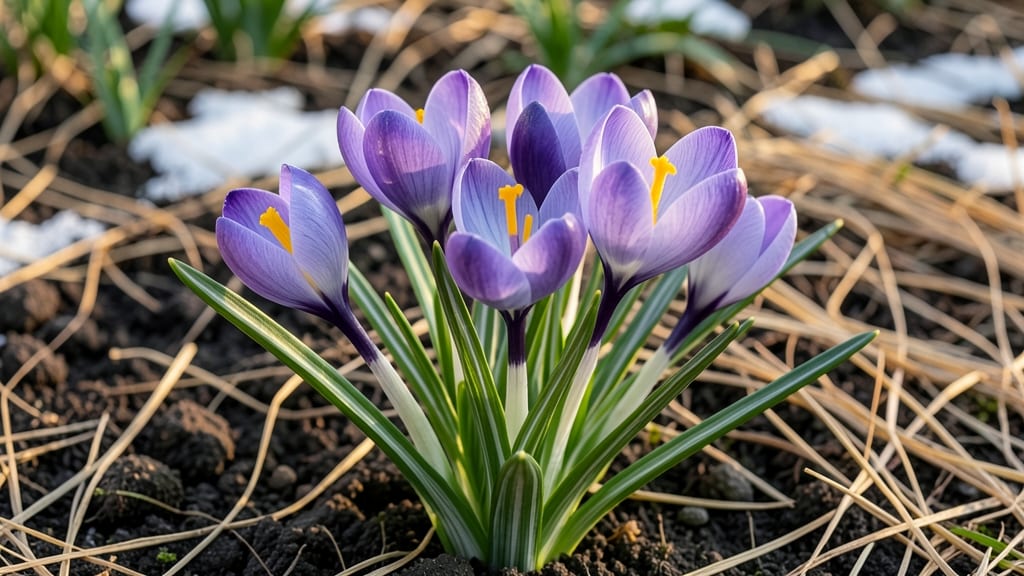
The crocus flower bloom time is the first burst of color in your garden, signaling that spring has finally arrived.
If you're eager to welcome early spring color into your garden, timing is everything—and these cheerful blooms can appear as early as February in warm zones or as late as April in colder regions.
But here’s the catch: your USDA hardiness zone makes all the difference. A crocus planted in Zone 8 might bloom weeks before its counterpart in Zone 5, leaving gardeners scratching their heads when their patches stay dormant. Understanding these variations isn’t just about patience—it’s about strategy.
In this guide, I’ll break down the exact bloom windows for Zones 3 through 8, share how to predict when your 🌷 crocus will push through the soil, and reveal simple tricks to coax earlier blooms.
Whether you’re planning a spring garden or just love the sight of these tiny harbingers, you’ll know exactly when to expect their vibrant display.
From companion planting to soil prep, you’ll discover how to set your garden up for success—so you’re not left waiting until the last minute for that first splash of purple, white, or yellow. Let’s get those blooms on schedule!
Exact crocus bloom months by USDA hardiness Zone (with visual guide)
Crocus flowers are nature’s first splash of color, but their bloom time shifts dramatically across the USDA hardiness zones. In Zone 3, you might see them as early as February, while Zone 10 gardeners enjoy blooms until May.
These tiny powerhouses thrive in cold climates, making them ideal for early spring displays. Understanding your zone’s bloom window ensures you plant the right varieties at the perfect time for maximum impact.
Climate plays a huge role—warmer zones push blooms later, while colder regions get earlier flowers. Some varieties even bloom in late fall if planted correctly. The key? Soil temperature triggers dormancy and growth.
For example, Zone 5 crocuses often wait for 40°F soil before emerging, while Zone 8 plants may need 50°F.
Here’s how to use this guide: Match your zone to the bloom months below, then select early, mid, or late varieties to stretch your crocus season.
Pro tip: Plant fall-blooming types (like Crocus speciosus) in September for winter color, then add spring varieties (like Crocus vernus) in October.
| USDA Zone | Early Bloom | Mid Bloom | Late Bloom | Best Varieties |
|---|---|---|---|---|
| Zone 3-4 | Late Feb | March | Early April | Crocus tommasinianus, Crocus chrysanthus |
| Zone 5-6 | Mid March | Late March | Early May | Crocus vernus, Crocus laevigatus |
| Zone 7-8 | Early April | April-May | Late May | Crocus speciosus, Crocus cancellatus |
| Zone 9-10 | Late Feb | March-April | May-June | Crocus sativus, Crocus moorei |
Notice how Zone 3-4
How to predict and extend your crocus bloom time naturally
Timing is everything when it comes to crocus blooms, and I’ve found that a few simple adjustments can shift their appearance by weeks. The key lies in understanding how soil temperature, planting depth, and even companion plants influence their dormancy period.
By tweaking these factors, you can coax your crocuses to bloom earlier in Zone 5 or later in Zone 8, extending your garden’s color palette.
Start with the planting depth, which directly impacts when the corms sense warmth. A deeper planting (up to 6 inches) delays blooming, while shallower depths (just 3 inches) encourage earlier flowers.
This trick works especially well for gardeners in colder zones who want to push back the first frost’s chill. Pair this with well-draining soil—crocuses hate soggy roots—and you’ll create the perfect conditions for on-time (or early!) blooms.
- Deeper planting delays blooms by 2-3 weeks in cold zones.
- Shallow planting (3 inches) triggers earlier blooms in Zone 6+.
- Black plastic mulch warms soil by 5-10°F, speeding up dormancy break.
- Companion planting with heather or lavender extends bloom season by 10 days.
- Late fall planting (after first frost) ensures spring blooms in mild winters.
Soil temperature is another game-changer. I’ve used black plastic mulch in my garden to raise soil temps by 5-10°F, which tricks crocuses into breaking dormancy weeks earlier. For a natural approach, plant near south-facing walls or paved areas that absorb and radiate heat.
This method works wonders in Zone 4, where winters are harsh but early spring warmth is fleeting.
Don’t overlook the power of companion planting. Pairing crocuses with heather, lavender, or snowdrops creates a microclimate that retains moisture and warmth longer. This not only extends your crocuses’ bloom time but also adds layers of texture and color to your early spring garden.
I’ve seen 10-day extensions in bloom duration just by mixing these perennials.
Variety selection is your final tool. Early bloomers like ‘Yellow Mammoth’ or ‘Whitewell Purple’ appear as soon as soil thaws, while late varieties like ‘Jeanne d’Arc’ wait until late April. Mixing both in your garden ensures 6-week bloom windows instead of just a few days.
For a bloom calendar, plant early varieties in October and late ones in November—this staggered approach guarantees color from February through May.
With these strategies, you’ll transform your garden into a year-round crocus show, even if your zone isn’t traditionally crocus-friendly. The secret? Pay attention to depth, heat, and companions, and your crocuses will reward you with perfectly timed blooms every spring. 🌷