
Flowers
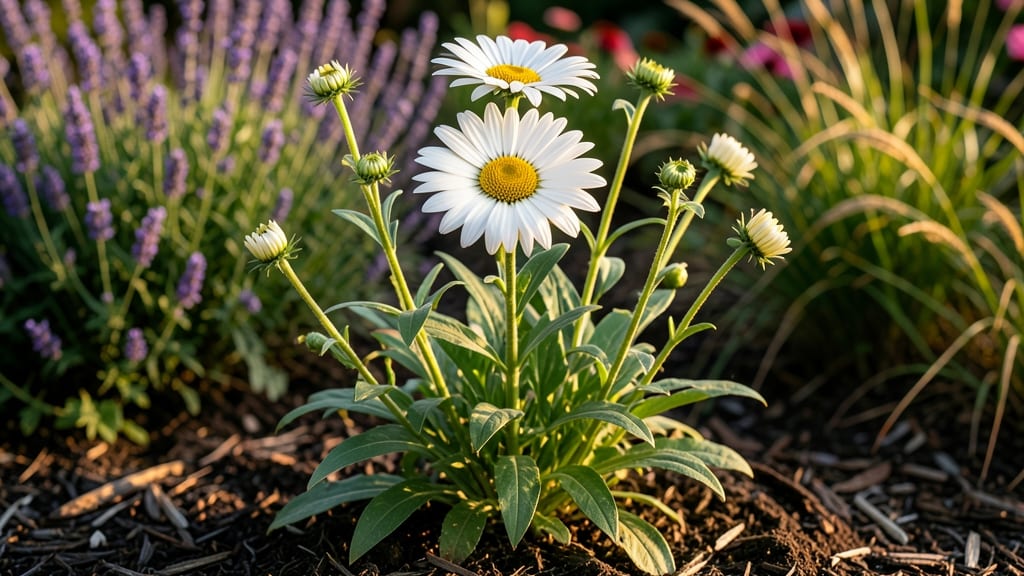
The daisy flower season spans spring through summer 🌼, but the exact months depend on your USDA zone and whether you’re growing annual or perennial varieties.
Nothing brightens a garden like cheerful daisies—but timing their bloom season perfectly ensures you’ll never miss their stunning white, pink, or yellow bursts. Whether you’re planning a cottage garden or just want to enjoy their simple beauty, knowing when daisies bloom by USDA zone can make all the difference.
In warmer zones like 6a and above, daisies often start flowering as early as May, while cooler regions may see their first blooms in June. Perennial daisies can continue flowering into September, while annuals may fade by early fall unless you deadhead them regularly.
Below, I’ll break down the best planting times, seasonal care tips, and how to extend your daisies’ bloom season—so you can enjoy their cheerful faces for as long as possible.
Daisy bloom season by USDA zone: exact months for peak flowers
Daisies are the epitome of effortless garden charm, but their bloom timing varies dramatically depending on your USDA zone and the specific variety you're growing.
Whether you're cultivating Shasta daisies in Zone 5 or Gerbera daisies in Zone 10, understanding these seasonal windows ensures you'll have continuous color from early spring through frost. Let's break down exactly when to expect peak blooms across all major daisy varieties and climates.
In cooler northern zones like USDA Zones 3-5, daisies typically burst into bloom in late May through July, while southern zones (Zones 8-11) enjoy extended seasons from March through November.
The key difference lies in frost dates—northern daisies wait for warmer soil, while southern varieties often bloom as soon as winter recedes. This regional variation means your garden's daisy season could last anywhere from 3 to 9 months depending on location.
🌼
In USDA Zones 3-5, where winters are harsh, daisies like Shasta and oxeye typically wait until soil temperatures reach 55°F (13°C) before sending up blooms. This usually aligns with late May to early June, giving you a 3-month peak season from June through August.
The key to extending this window is deadheading spent blooms—this encourages reblooming well into September in milder microclimates.
Southern gardeners in Zones 8-11 enjoy a completely different experience. Here, varieties like Gerbera and African daisies can bloom year-round with minimal frost interruption. In Zone 10, for example, you might see continuous blooms from March through November, with only brief pauses during extreme heat waves.
The trade-off? These tropical varieties often require afternoon shade to prevent wilting during summer's peak intensity.
🌡️
One common misconception is that all daisies bloom at the same time. In reality, Painted daisies often start in April while <
How to extend daisy flower season: prolonging blooms for months
Daisies are the unsung heroes of summer gardens, but their blooms don’t have to fade after just a few weeks. With the right care techniques, you can stretch your daisy flower season from early summer all the way into fall—or even next spring for perennials.
The secret lies in a mix of deadheading, soil health, and smart watering strategies.
Whether you’re growing annual daisies like Gerbera or hardy perennial varieties such as Shasta daisies, the principles are similar. The key is to mimic nature’s cycle by removing spent blooms, feeding the soil, and protecting your plants from stress.
Let’s dive into the step-by-step methods that will keep your daisies blooming like clockwork.
- Deadhead daily – Snip off spent blooms at the base to encourage new flowers. Use clean pruning shears to avoid damaging stems.
- Fertilize monthly – Use a balanced 10-10-10 fertilizer in spring and early summer to boost growth. Avoid over-fertilizing in fall.
- Water deeply – Soak the root zone in the morning to prevent fungal issues. Daisies hate soggy soil, so ensure good drainage.
- Mulch heavily – Apply 2-3 inches of mulch to retain moisture and regulate soil temperature. Use straw or shredded leaves.
- Plant companions – Pair daisies with marigolds or thyme to deter pests and improve soil health naturally.
For perennial daisies, focus on late-season care to ensure they return stronger next year. After the first frost, cut back dead foliage but leave the stems—this protects the crown during winter. In early spring, remove old growth and add a layer of compost to wake up the roots.
If you’re growing annual daisies, succession planting is your best friend. Sow new seeds every 2-3 weeks from late spring through early summer. This staggered approach ensures a continuous bloom from June through October, even in hot climates.
Don’t forget that light and location play a huge role. Full sun (6+ hours daily) is non-negotiable for daisies—plant them where they’ll get the most sunlight, and avoid crowded spots that restrict airflow. With these pro tips, your daisies will outshine the competition all season long!