
Blooming
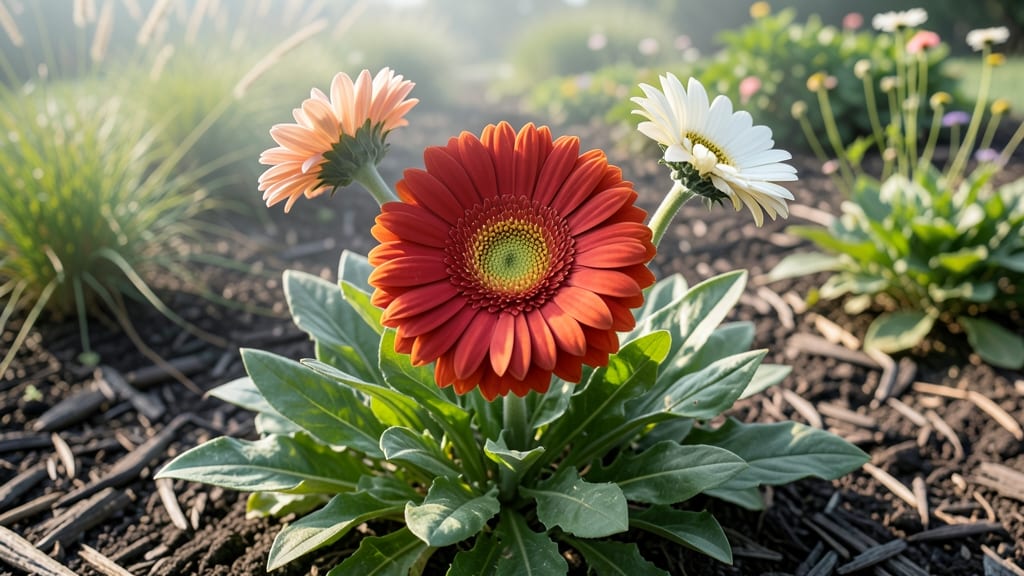
Daisies flower at different times depending on the variety—some burst into bloom in early spring, while others shine through summer and into fall.
Picture this: you plant a cheerful 🌼 in March, expecting instant color, only to wait weeks—or even months—for those petals to unfurl.
The truth is, daisy flowering time varies wildly, and knowing the right variety for your climate can mean the difference between a garden that fades fast and one that stays vibrant all season.
From Shasta daisies that greet spring with white pom-poms to Gerbera daisies that blaze in summer, each type has its own schedule. In USDA Zone 6a, for example, early bloomers like Oxeye daisies may start as soon as May, while late-season varieties keep the show going until October.
The key? Choosing the right mix for your region and giving them the care they need to keep blooming.
In this guide, I’ll break down the best months for each daisy type, share pro tips to extend their flowering season, and help you avoid common mistakes that leave your garden looking bare. Ready to plan a year-round display?
Daisy flowering time by variety: months and seasonal blooms
Daisies bring effortless charm to gardens, but their bloom windows vary dramatically by type. Some varieties like Shasta daisies light up early summer, while African daisies extend color into fall.
Understanding these timelines helps you create a garden that blooms continuously from spring to frost. I'll break down the flowering seasons for popular varieties and how climate affects their schedules.
For northern gardeners, early spring bloomers like Oxeye daisies start the show, while southern gardeners can enjoy Gerbera daisies through late fall. The key is selecting varieties that complement your local frost dates. Let's explore the exact months each type blooms so you can plan your garden's seasonal highlights.
🌼 Daisy Flowering Calendar by Variety
| Variety | Primary Bloom Season | Northern US Blooms | Southern US Blooms | Key Features |
|---|---|---|---|---|
| Shasta Daisy | Mid-June to August | June-August | May-September | Classic white blooms, 2-3 ft tall |
| Gerbera Daisy | July to October | June-September | May-November | Vibrant colors, 1-2 ft tall |
| Oxeye Daisy | May to September | May-September | April-October | Drought-tolerant, 2-4 ft tall |
| African Daisy | June to November | July-October | May-December | Heat-loving, 1-2 ft tall |
| Painted Daisy | April to June | April-June | March-July | Early bloomer, 1-2 ft tall |
| Nippon Daisy | June to September | June-August | May-September | Compact, 8-12 in tall |
Shasta daisies are the quintessential summer bloomers, typically starting in mid-June and lasting through August in most regions. In warmer southern climates, they often begin blooming as early as May and may continue until September. Their classic white petals make them a staple for cut flower arrangements during peak summer months.
For a spring kickoff, Painted daisies bloom from April to June, making them perfect for early-season color. These daisies thrive in cooler temperatures and often rebloom in fall if deadheaded regularly. I've found they pair beautifully with tulips and hyacinths for a cohesive spring garden look.
If you want late-season color, African daisies are my top recommendation. They bloom from June to November in southern regions and can extend into October in cooler northern areas. Their heat tolerance makes them ideal for hot summer gardens, and their vibrant colors add a pop to late-season arrangements.
For drought-resistant options, Oxeye daisies shine with their ability to bloom from May to September with minimal water. They're particularly well-suited for prairie-style gardens and thrive in poor soil conditions. In my experience, they're one of the most low-maintenance daisy varieties for busy gardeners.
Climate plays a crucial role in bloom timing. In USDA Zone 5, expect daisies to bloom about 2-3 weeks later than in Zone 8. For example, <
How to extend daisy flowering time for longer seasonal color
There’s nothing more disappointing than watching your daisies fade too quickly, but with the right techniques, you can extend their blooming season from early spring through frost. The key lies in understanding their natural cycle and giving them the care they need to keep producing fresh flowers.
Whether you’re growing Shasta daisies, Gerbera daisies, or African daisies, these methods will keep your garden vibrant all season long.
First, let’s tackle the biggest secret weapon for prolonging daisy blooms: deadheading. This simple task removes spent flowers, signaling the plant to redirect energy into producing new buds instead of setting seed. I’ve found that daisies deadheaded consistently can bloom 30-50% longer than those left to seed naturally.
Pair this with proper soil nutrients and watering schedules, and you’ll create a continuous bloom cycle that rivals professional gardens.
- 1 Deadhead daily – Snip off spent blooms below the next set of leaves to encourage new growth. Use clean pruners or scissors to avoid disease.
- 2 Fertilize monthly – Use a balanced 10-10-10 fertilizer in spring and summer. Avoid fall applications, as they can stimulate late growth vulnerable to frost.
- 3 Water deeply twice weekly – Morning watering (6-8 AM) prevents fungal diseases. Aim for 1-1.5 inches of water per week, adjusting for heatwaves.
- 4 Mulch heavily – Apply 2-3 inches of mulch (straw or shredded bark) to retain moisture and regulate soil temperature. Replenish annually.
- 5 Plant succession varieties – Combine early bloomers (like Oxeye daisies) with late-season types (such as Chrysanthemum daisies) for seamless transitions.
Another game-changer is strategic variety pairing. I’ve noticed that mixing perennial daisies (like Shastas) with annual varieties (such as Gerberas) creates a non-stop bloom cycle. For example, plant Gerbera daisies in early spring—they’ll bloom until summer—then let Shasta daisies take over as they thrive in cooler fall temperatures.
This overlap ensures your garden never loses its cheerful daisy charm.
Don’t overlook the power of light and location. Daisies need full sun (6+ hours daily), but their flowering time can shift if they’re planted in partial shade. I’ve seen African daisies bloom 2-3 weeks later when grown in morning sun with afternoon shade compared to full sun.
Test different spots in your garden to find the optimal light balance for your specific varieties.
Finally, watch for common mistakes that cut blooms short. Over-fertilizing with nitrogen (for leafy growth) or underwatering during heatwaves can stress plants, reducing flower production. I once had a daisy patch wilt after a heatwave because I didn’t increase watering—now I double-check soil moisture during dry spells.
Small adjustments like these make a huge difference in extending your daisies’ glory.
With these techniques, you’ll transform your garden into a year-round daisy paradise, where every season brings fresh blooms. The secret isn’t just one trick—it’s the combination of deadheading, smart fertilizing, and variety planning that keeps daisies flowering like clockwork. Happy gardening! 🌼✂️💧