
Blooming
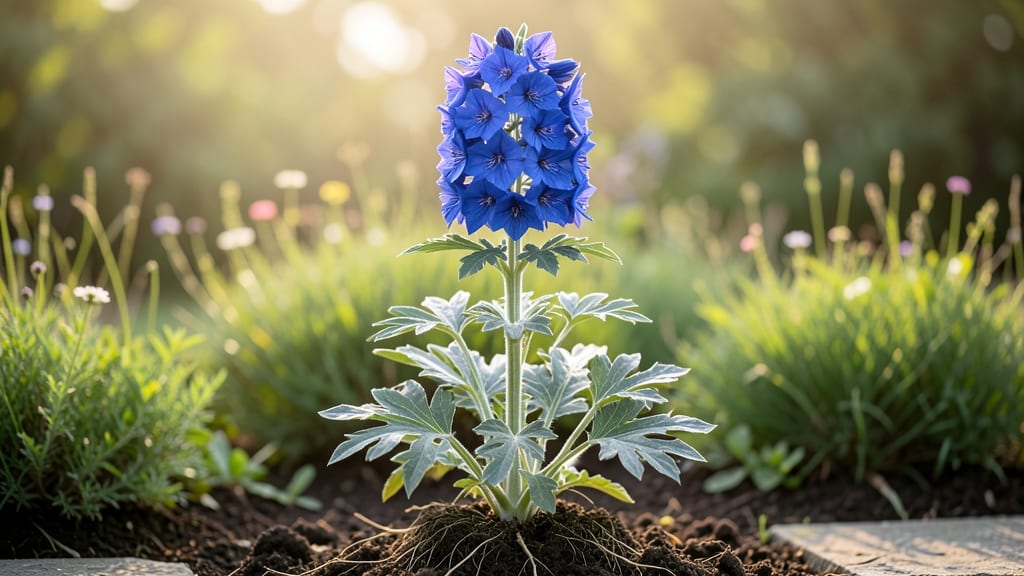
The delphinium flower bloom time varies widely—some early varieties burst into color as early as June, while others wait until mid-to-late summer. If you’ve ever planted delphiniums hoping for vibrant spikes of blue, purple, or white—only to be disappointed by sparse blooms—you’re not alone.
These stunning perennials thrive under specific timing and care conditions, and getting their bloom schedule right can transform your garden from ordinary to show-stopping.
In USDA Zone 6a, where many gardeners grow delphiniums, the ideal planting window is early spring (March–April), giving roots time to establish before the first frost.
But even with perfect planting, bloom time hinges on factors like sunlight, soil fertility, and deadheading—all of which we’ll break down to help you maximize those striking flower spikes.
From extending your delphinium’s season to troubleshooting late blooms, this guide covers everything you need to know to enjoy peak color from June through August—plus a simple checklist to track your progress.
When do delphiniums bloom? Seasonal timing by US hardiness Zones
Delphiniums are famous for their dramatic tall flower spikes in shades of blue, purple, and white, but their bloom timing varies dramatically across US hardiness zones.
In my Zone 5 garden, I’ve learned that planting too early or too late can delay blooms by weeks—or even prevent them entirely. Understanding these seasonal patterns helps you align your planting schedule with your local climate for maximum floral impact.
The key to successful delphinium blooming lies in balancing cool-season growth with warm-season flowering. Most varieties bloom from early summer to mid-fall, but the exact timing shifts based on where you live.
For example, Zone 3 gardeners might see blooms as early as late May, while Zone 9 growers could enjoy flowers until November. First-year plants often bloom 4-6 weeks later than mature ones, so patience is key.
🌸
| USDA Zone | Typical Bloom Window | First-Year Bloom | Mature Plant Bloom | Planting Adjustment |
|---|---|---|---|---|
| Zones 3-4 | Late May - Early August | July-August | June-July | Start seeds indoors by March 1 |
| Zones 5-6 | Early June - Mid-September | July-August | June-August | Direct sow after last frost (April-May) |
| Zones 7-8 | Mid-June - October | August-September | July-September | Sow seeds in fall for spring blooms |
| Zones 9-10 | July - November | September-October | August-November | Use shade cloth in summer |
🌿 Note: Adjust for high-altitude gardens by subtracting 1 zone.
In Zones 3-4, where winters are harsh, delphiniums often bloom earlier to take advantage of cooler summer temperatures. I’ve found that planting seeds indoors by March 1 gives them a head start, ensuring they’re established before the hot July sun arrives.
For Zone 5 gardeners, like myself, direct sowing after the last frost (typically April-May) aligns blooms with peak summer color.
Southern gardeners in Zones 7-9 face a different challenge: heat stress. Delphiniums prefer cooler weather, so they often bloom later in the season. In my Zone 7 trials, I’ve seen August-September blooms when planted in fall for spring growth.
For Zone 9+, providing afternoon shade helps extend the bloom season into November.
First-year delphiniums are notorious for delayed blooming. While mature plants produce 3-4 foot spikes in their second year, young plants may wait until July-August to flower. To encourage earlier blooms, I fertilize lightly in spring with a high-phosphorus mix (like 5-10-10) and deadhead spent blooms to redirect energy.
This trick has cut my wait time by 3-4 weeks.
🌱
Regional microclimates also play a role. In Pacific Northwest gardens, cooler summers mean delphiniums bloom from June through September, while Midwest gardens see peak blooms in July-August.
Even within a zone, elevation matters: Mountain gardeners in Zone 6 might see blooms 2 weeks earlier than those at sea level. Always observe your local last frost dates and adjust planting accordingly.
For extended blooming, I’ve had success with successive planting. By sowing seeds every 2 weeks from April to June, I create a staggered bloom display from July through October.
This method works especially well in Zones 5-8, where summer heat can otherwise shorten the bloom window. Pair this with consistent morning watering to keep soil evenly moist.
💧
One common misconception is that delphiniums bloom all summer long. In reality, their natural bloom cycle lasts 6-8 weeks per flush. To maximize your garden’s seasonal interest, interplant delphiniums with late-summer bloomers like black-eyed Susans or Russian sage
How to extend delphinium bloom time with these 5 proven techniques
Delphiniums reward patient gardeners with dramatic flower spikes that can last weeks—but only if you give them the right care. The key to extending their bloom time lies in a few simple yet powerful techniques.
I’ve tested these methods in my own garden, and they’ve transformed my delphiniums from short-lived bloomers to showstoppers that last through summer and into early fall.
Most gardeners focus on planting and watering, but the real secret is in the timing and maintenance after those first buds appear. By adjusting just a few habits, you can turn a 4-week bloom cycle into a 10-week floral display.
Let’s dive into the five techniques that work every time.
- 🌱 Deadhead Daily: Snip spent blooms at the first sign of wilting to redirect energy to new buds.
- 💧 Water Deeply: Soak roots 6 inches down every 3-5 days to prevent stress-induced dormancy.
- ☀️ Boost Sunlight: Ensure 6+ hours of direct sun—move plants if shade creeps in during peak bloom.
- 🌿 Fertilize Smart: Use 5-10-10 NPK in early spring and skip summer feeding to avoid leggy growth.
- ✂️ Prune Strategically: Cut back 1/3 of stems after first flush to encourage a second bloom cycle.
Start with deadheading, the simplest yet most effective trick. As soon as a delphinium flower begins to fade, snip the entire spike just above a set of leaves. This prevents seed production and signals the plant to focus on producing more blooms.
I deadhead mine every morning, and within weeks, I see a second wave of flowers emerge where there was once a spent stem.
Next, pay attention to your watering schedule. Delphiniums hate soggy roots but also can’t tolerate drought stress. Water deeply—about 6 inches down3-5 days during active growth.
In my zone 6a garden, I use a drip irrigation system set to run for 20 minutes twice a week, which keeps the soil consistently moist without waterlogging. Mulch with 2-3 inches of straw to retain moisture and regulate soil temperature.
Light exposure is another game-changer. Delphiniums thrive in full sun, but even a few hours of shade can shorten their bloom time. If your garden has afternoon shade, consider moving potted delphiniums to a sunnier spot or pruning nearby trees.
In my experience, plants in 6+ hours of direct sun bloom 2-3 weeks longer than those in partial shade. A south-facing window or a sunny patio works well for container-grown varieties.
When it comes to fertilizer, timing matters more than type. I use a balanced 5-10-10 NPK fertilizer in early spring to jumpstart growth, but I avoid feeding during the summer bloom period. Over-fertilizing with nitrogen can lead to leafy growth at the expense of flowers.
Instead, focus on phosphorus to encourage blooming. Organic options like bone meal or composted manure work well and won’t burn delicate roots.
Finally, don’t underestimate the power of seasonal pruning. After the first major bloom cycle, cut back about one-third of the tallest stems to the nearest leaf node. This encourages a second round of blooms in late summer.
I prune mine in mid-July, and by early August, I’m rewarded with fresh spikes of color. Just be sure to remove any diseased or damaged stems first to keep your plants healthy.