
Light Requirements
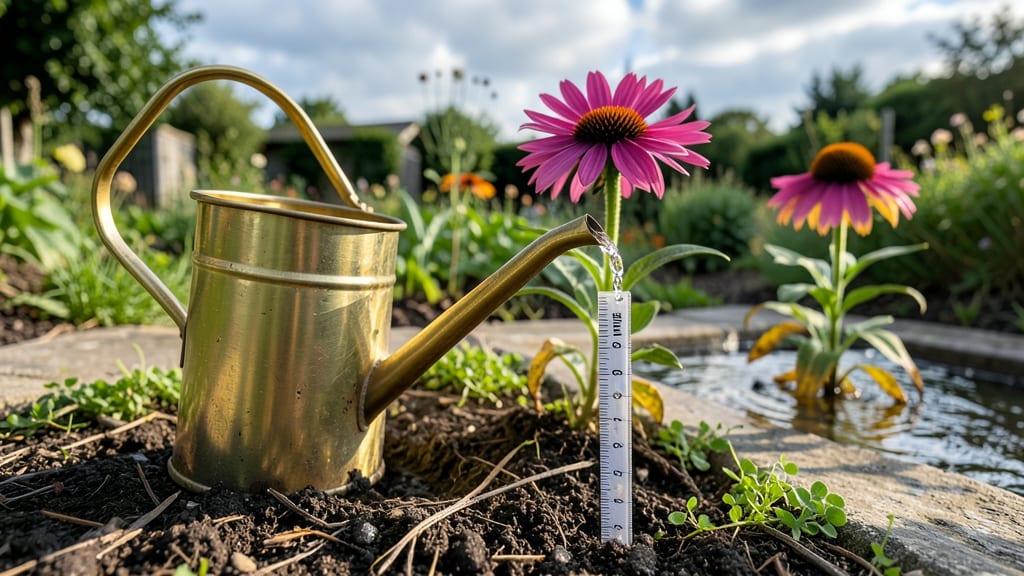
Coneflowers don’t need a lot of water once they’re established — these tough perennials thrive on neglect and are a gardener’s secret weapon for low-maintenance blooms.
If you’ve ever wondered whether your 🌼 coneflowers require constant watering to survive, you’re not alone. The truth might surprise you: these hardy plants are far more resilient than most gardeners realize, making them a favorite for drought-prone landscapes.
Newly planted coneflowers need consistent moisture to develop strong roots, but after the first year, they handle dry spells like a pro. In fact, overwatering is a bigger threat than underwatering — soggy soil can lead to root rot and stunted growth.
Here’s what you need to know: how much water they truly need, when to adjust for heat waves, and the simple tricks to keep them blooming beautifully with minimal effort.


Watering needs for coneflowers: how little is too little?
Coneflowers (Echinacea) are often called drought warriors for their ability to thrive with minimal water once established. Unlike thirsty annuals, these perennial powerhouses store moisture in their deep roots, making them perfect for low-maintenance gardens.
But how little is too little? Let’s break down their natural watering needs and what happens when you overdo (or underdo) it.
Newly planted coneflowers need consistent moisture to establish roots, but after their first growing season, they can survive on rainfall alone in most climates. The key is understanding their seasonal watering rhythm—too much water causes rot, while too little stresses the plant.
Here’s what you need to know to keep your coneflowers blooming beautifully without wasting water.
| Stage | Watering Needs | Frequency | Signs of Stress |
|---|---|---|---|
| Newly Planted | 1-1.5 inches per week | 2-3 times weekly | Wilting, yellowing leaves |
| Established (Spring) | 1 inch every 7-10 days | Weekly (if no rain) | Stunted growth, drooping |
| Established (Summer) | 1 inch every 5-7 days | Every 5-7 days (heat waves) | Brown leaf edges, fewer blooms |
| Established (Fall/Winter) | 0.5 inch monthly | Monthly (if no snow) | None (dormant phase) |
| Overwatered Signs | Soggy soil, yellow leaves | N/A | Root rot, mold |
During the first year, focus on keeping soil consistently moist (but not soggy) to encourage root growth. Water deeply—about 1-1.5 inches per week—and avoid shallow watering, which encourages weak roots. Once established, coneflowers can handle drought-like conditions, but extreme dryness may reduce bloom size.
Aim for 1 inch of water every 7-10 days in spring and fall, and increase to every 5-7 days during summer heatwaves.
Morning watering is ideal because it allows foliage to dry quickly, reducing fungal diseases like powdery mildew. If you’re unsure whether your coneflowers need water, perform the finger test: stick your finger 2 inches into the soil.
If it’s dry, it’s time to water. If it’s damp, hold off—these plants prefer dry spells once rooted.
Overwatering is a common mistake, especially in clay-heavy soils that retain moisture. Signs of too much water include yellowing leaves, mushy stems, and a foul odor from the soil.
If you notice these, reduce watering immediately and improve drainage by amending soil with compost or perlite. Well-draining soil is non-negotiable for coneflowers.
Underwatering, while less harmful, can still stress your plants. Look for wilted foliage, crispy leaf edges, or a sudden drop in bloom production. If this happens, give the soil a thorough soaking and mulch around the base to retain moisture.
A 2-3 inch layer of mulch (like straw or shredded bark) can cut water needs by up to 30% by reducing evaporation.
Container-grown coneflowers dry out faster than in-ground plants, so check soil moisture daily in extreme heat. Water when the top inch of soil feels dry, and ensure pots have drainage holes to prevent root rot.
In containers, aim for every 3-5 days during summer, adjusting for humidity and pot size.
Seasonal adjustments are key. In winter dormancy, coneflowers need almost no water—just enough to prevent soil from becoming bone-dry. If you live in a snowy climate, nature provides the hydration.
In dry winters, a monthly deep watering may suffice. Spring is when coneflowers wake up, so resume regular watering as new growth appears.
Pro tip: Group coneflowers with other drought-tolerant perennials like black-eyed Susans or sedum to create a low-water garden zone. This not only saves time but also reduces your overall water usage. With the right balance, your coneflowers will reward you with vibrant blooms and resilient growth year after year.
Best practices for watering coneflowers in different climates
Coneflowers are famously drought-tolerant once established, but their water needs shift dramatically depending on where you live. In dry climates, like the Southwest, they can thrive with minimal watering—just 1 inch every 10-14 days after the first year.
Meanwhile, in humid zones, such as the Southeast, they may need slightly more frequent watering to prevent fungal issues while still avoiding soggy soil. The key is understanding how your local climate affects their moisture needs.
Extreme heat—common in summer months—demands extra attention. During heatwaves, established coneflowers can handle deep watering every 5-7 days, but young plants or those in containers need more frequent moisture.
Container-grown coneflowers dry out faster, so check soil moisture daily in extreme heat and adjust accordingly. The right approach keeps them vibrant without wasting water.
Water deeply every 10-14 days after establishment. Young plants need weekly watering for the first year. Use drip irrigation to avoid evaporation.
Water every 5-7 days but avoid overhead watering to prevent powdery mildew. Mulch heavily to retain moisture and improve soil drainage.
Increase watering to every 5-7 days during heatwaves. Water early morning to reduce evaporation. Container plants may need daily checks in scorching weather.
Water every 3-5 days in summer, as pots dry out faster. Use well-draining soil and larger containers to improve drought resistance.
For container-grown coneflowers, the rules change entirely. Pots dry out much faster than in-ground soil, so monitor moisture levels closely. A good rule of thumb is to stick your finger 1 inch into the soil—if it feels dry, it’s time to water.
In-ground plants, however, can often go longer between waterings once their roots are established. This is why mulching becomes even more critical for containers.
Adjusting your watering strategy based on seasonal shifts is also key. During spring and fall, when temperatures are milder, you can reduce watering to every 10-14 days.
In winter, most regions only need watering every 4-6 weeks, unless you’re in a frost-free zone. Always prioritize deep, infrequent watering to encourage strong root growth.
One common mistake is overwatering, which can lead to root rot and other issues. Always ensure your soil has good drainage, especially in humid climates. If you notice yellowing leaves or wilting despite moist soil, it could be a sign of overwatering.
On the flip side, brown, crispy leaves indicate underwatering. Balancing these cues will keep your coneflowers healthy year-round.
By tailoring your watering routine to your local climate and the specific needs of your coneflowers—whether in-ground or in containers—you’ll maximize their drought resistance and enjoy vibrant blooms with minimal effort. These adaptable plants reward thoughtful care with stunning, long-lasting flowers. 🌼