
Light Requirements
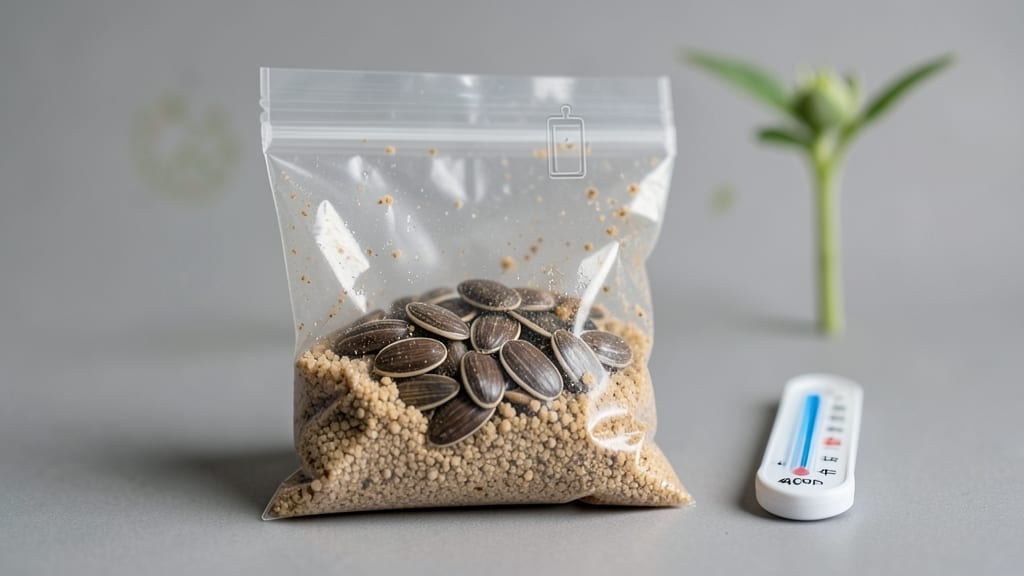
Sunflower seeds don’t actually need cold stratification to sprout—unlike many wildflowers or trees, they’re one of the few garden staples that germinate just fine without it.
Struggling with slow sunflower germination? The answer might lie in cold stratification—a simple yet powerful technique that can transform your seed-starting success rate overnight.
Here’s the science: most sunflowers break dormancy naturally when soil warms in spring, but a quick chill trick can speed things up in cooler zones like 6a.
Below, I’ll walk you through 3 simple tests to decide whether your seeds need a cold boost—or if you can skip it entirely.
We’ll also compare sunflowers to other seeds (like tomatoes or beans) to clear up common myths, plus share climate-specific tips so you’re not left guessing whether to refrigerate or just plant.
What is cold stratification and do sunflower seeds require it?
Cold stratification is a natural process that mimics winter conditions to break seed dormancy. Many wild plants rely on cold periods to trigger germination, ensuring seeds sprout at optimal times. For gardeners, this technique often means placing seeds in the refrigerator for weeks to replicate natural chilling.
But when it comes to sunflower seeds, the question is simple: do they need this extra step?
The short answer is no, sunflower seeds typically don’t require cold stratification. Unlike many native wildflowers or trees, sunflowers (Helianthus annuus) are adapted to warm climates and germinate best when soil temperatures reach 70-90°F (21-32°C).
Their dormancy mechanisms are usually broken by warmth rather than cold. However, some wild sunflower varieties or seeds collected from colder regions might benefit from light stratification—but commercial hybrid seeds rarely do.
Here’s why many gardeners skip stratification for sunflowers: these seeds are non-dormant when purchased, meaning they’re ready to sprout as soon as conditions are right. Planting them directly in warm, well-drained soil after the last frost often yields faster and more reliable results.
But if you’re dealing with home-saved seeds or older seed packets, a quick test can reveal whether stratification might help.
Cold stratification works by weakening the seed coat and triggering internal chemical changes that signal it’s time to grow. For sunflowers, this process is unnecessary because their hardy nature and thick seed coats naturally soften with moisture and warmth.
In fact, forcing cold stratification on sunflower seeds could sometimes delay germination or reduce vigor, as the seeds may interpret the treatment as a signal to wait for warmer conditions.
That said, cold stratification can be useful in specific scenarios. If you’re growing perennial sunflowers (like Helianthus debilis) or seeds from northern climates, a brief chilling period might improve germination rates.
For most gardeners, though, the focus should be on soil warmth, proper moisture, and planting depth (1 inch deep) rather than stratification.
| Seed Type | Cold Stratification Needed? | Best Germination Conditions | Expected Time to Sprout |
|---|---|---|---|
| Commercial Sunflower Seeds | ❌ No | Warm soil (70-90°F), 1 inch deep | 5-14 days |
| Home-Saved Seeds | ⚠️ Maybe (test first) | Moist paper towel + warmth | 7-21 days |
| Wild Sunflower Varieties | ✅ Yes (some types) | Cold stratification (4-8 weeks) + warmth | 10-28 days |
| Tomato Seeds (Comparison) | ❌ No | Warmth (75-85°F), indirect light | 7-21 days |
| Peppers (Comparison) | ❌ No | Warmth (80-90°F), high humidity | 14-30 days |
One common misconception is that all seeds benefit from cold stratification, but that’s far from true. Seeds like tomatoes, peppers, and beans thrive without it, just like sunflowers. The key is understanding your seed’s natural growing habits.
Sunflowers, for example, evolved in open, sunny fields where quick germination after warm rains is critical for survival. Their seeds are primed to sprout fast when conditions are right—no cold required.
If you’re still unsure whether your sunflower seeds need stratification, try a simple germination test. Place a few seeds between damp paper towels in a sealed bag and store them in a warm spot (like on top of your fridge).
If they sprout within 7-14 days, stratification isn’t necessary. If they take longer or don’t sprout at all, you might experiment with a short cold treatment (2-4 weeks in the fridge) before planting.
Expert opinions vary slightly, but most agree that commercial sunflower seeds don’t need stratification. The American Seed Trade Association and university extension services (like those from Purdue or Cornell) consistently recommend planting sunflowers directly in warm soil.
However, they do suggest soaking seeds overnight in lukewarm water to soften the seed coat and speed up germination—a far simpler alternative to stratification.
For gardeners in cooler climates, the real challenge
3 Simple cold stratification tests for faster sunflower germination
Sunflower seeds don't always need cold stratification, but this process can dramatically speed up germination for seeds that struggle in warm conditions. Many gardeners skip it, but testing these three simple methods helps you determine if your seeds benefit from dormancy-breaking.
The key is mimicking natural winter conditions without overcomplicating the process.
Cold stratification tricks seeds into thinking winter has passed, triggering enzymes that break dormancy. For sunflowers, this is especially useful if you're starting seeds indoors in early spring or live in a warm climate where natural temperature shifts are minimal.
Let's explore three easy-to-implement tests to see which works best for your seeds.
Best for: Indoor seed starters | Materials: Damp paper towels, sealed bag, fridge
Best for: Early spring planters | Materials: Clear containers, soil, outdoor space
Best for: Large seed batches | Materials: Vermiculite, spray bottle, sealed container
For the refrigerator method, place sunflower seeds between damp paper towels in a sealed bag and store them in your fridge for 2-4 weeks. This mimics the moist, cold conditions seeds experience in nature.
Check periodically to ensure the towels stay damp—mold growth is the only red flag here. Once stratified, plant seeds 1 inch deep in well-draining soil.
The outdoor winter sowing approach is perfect for gardeners who want to avoid indoor setups. Fill clear containers with soil, plant seeds in early winter, and leave them outside.
Nature handles the temperature fluctuations, and seeds will sprout when conditions warm. This method requires zero electricity and works beautifully for hardy sunflower varieties.
If you're dealing with large seed quantities, a DIY stratification kit using vermiculite is ideal. Mix seeds with moist vermiculite in a sealed container, then place it in your fridge.
The vermiculite retains moisture better than paper towels and prevents seeds from drying out. After 3-6 weeks, transfer stratified seeds to soil for planting.
After testing these methods, you'll notice faster germination times—often within 5-10 days instead of the usual 2-3 weeks. Keep track of which method works best for your specific sunflower variety, as some respond better to shorter stratification periods than others.
For example, giant sunflower seeds may need longer cold exposure than dwarf varieties.
Remember, cold stratification isn't always necessary—pre-treated seeds or warm climates may skip this step entirely. But for consistent, reliable germination, these tests are worth the effort. Once you master them, you'll transform your sunflower patch from patchy to proudly uniform in no time. 🌻