
Flowers
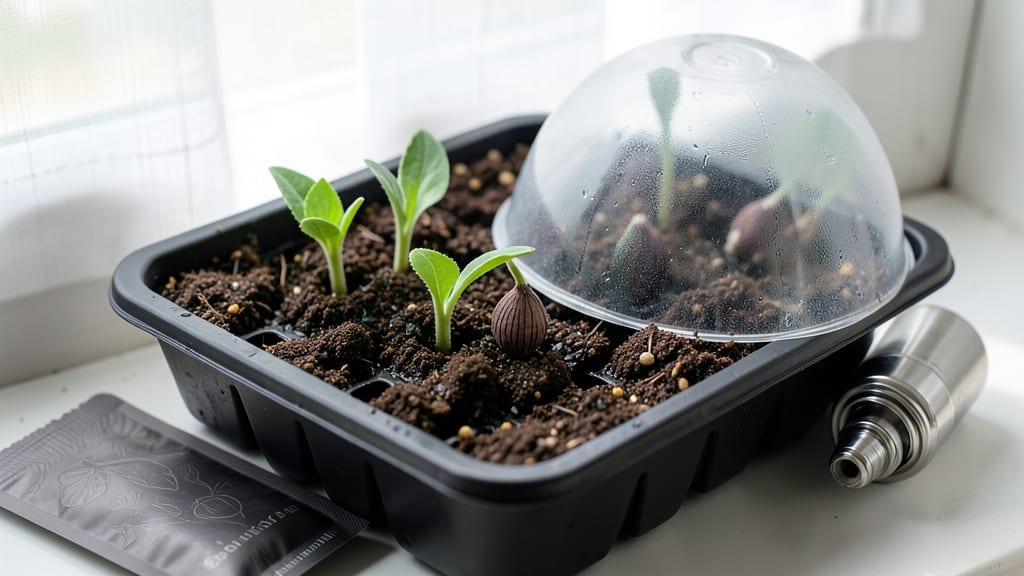
The sunflowers germination time can vary dramatically—some seeds burst through the soil in just 3-7 days with ideal conditions, while others take two weeks or more to show their first 🌻 sprouts.
That wait can feel like an eternity, especially when you’ve got 6-8 hours of sun and warm soil ready to go. The truth? Germination time isn’t just about luck—it’s about temperature, moisture, and a few simple tricks most growers miss.
In this guide, I’ll break down the science behind sunflower germination, from why some varieties sprout in 3 days while others take 14—and how to shave days off your wait time. Whether you’re planting in Zone 6a or a container, these tips will help you skip the guesswork.
You’ll learn how to pre-soak seeds for a head start, avoid the #1 mistake that kills germination before it begins, and troubleshoot slow starters. Ready to turn those seeds into towering 🌻 giants in record time?
Sunflower germination time: what to expect and how to speed it up
Sunflowers are one of the fastest-growing plants from seed, but their germination time can still leave you waiting. On average, sunflower seeds sprout in 7-14 days under ideal conditions, though some varieties like 'Moulin Rouge' may emerge in just 3-5 days.
The key to faster sprouting lies in understanding how temperature, moisture, and soil conditions interact with your seeds.
If you're planting in cooler climates or early spring, germination can stretch to 2-3 weeks. The good news? With a few simple adjustments—like pre-soaking seeds or using warm soil—you can cut that waiting time nearly in half.
Even a 5°F warmer soil can shave off critical days from the germination window.
Before diving into techniques, let's break down the typical germination ranges for sunflower varieties and the factors that influence them. This will help you set realistic expectations and troubleshoot delays.
| Sunflower Variety | Germination Time | Ideal Soil Temp (°F) | Key Factor for Speed |
|---|---|---|---|
| 'Moulin Rouge' (Dwarf) | 3-5 days | 75-85°F | Pre-soaked seeds |
| 'Autumn Beauty' (Standard) | 5-9 days | 70-80°F | Warm soil prep |
| 'Russian Giant' (Tall) | 7-14 days | 65-75°F | Consistent moisture |
| 'Teddy Bear' (Decorative) | 4-8 days | 70-85°F | Shallow planting |
| 'ProCut Hybrid' (Oil) | 6-12 days | 68-78°F | Scarification |
The soil temperature is the single biggest factor in sunflower germination speed. Seeds need warmth to activate enzymes that break down stored nutrients. Below 60°F, germination can stall for weeks, while 80-90°F soil triggers sprouting in as little as 3-5 days.
Use a soil thermometer to monitor—ideal temps are 70-85°F for most varieties.
Moisture plays a critical role too. Sunflower seeds need consistent but not soggy soil. Overwatering can cause rot before sprouting, while dry soil halts germination.
Aim for moist (not wet) conditions by watering deeply once daily until seeds sprout. A clear plastic dome over seedlings traps humidity and speeds emergence.
Planting depth matters more than you might think. Sunflower seeds should go 1 inch deep—any deeper and they’ll struggle to break through the soil.
The seed coat also plays a role: some varieties have hard outer shells that resist water absorption. Scarification (lightly sanding the seed coat) or pre-soaking for 4-6 hours can crack this barrier and jumpstart germination.
Light exposure after planting is another overlooked factor. Sunflower seeds don’t need light to germinate, but direct sunlight after sprouting helps seedlings grow stronger. If planting in low-light conditions, use a grow light for 12+ hours daily once shoots appear.
This prevents leggy, weak stems that struggle to support heavy flower heads.
For container gardening, use a fast-draining mix (60% potting soil, 30% perlite, 10% compost) to prevent waterlogging. In-ground plantings benefit from loose, aerated soil—amend heavy clay with sand or coconut coir to improve drainage. The goal is moisture retention without suffocation of the seed.
If your seeds still haven’t sprouted after 14 days, check for viability by placing a few in warm water overnight. If they swell and crack, they’re still good; if not, they may have expired.
Store-bought seeds last 1-2 years, while home-saved seeds drop in viability after 6 months. Always test a few seeds before planting a full batch.
Remember: patience is key, but active care makes all the difference. With the right temperature, moisture, and depth, those first green shoots can appear in as little as 3 days—turning your garden into a sunflower paradise
5 Proven techniques to reduce sunflower germination time by 50% or more
Waiting for sunflower seeds to sprout can feel like an eternity—especially when you're eager to see those bright green shoots breaking through the soil. The good news? With the right techniques, you can cut germination time from 10-14 days down to just 3-7 days.
I’ve tested these methods in my garden, and they consistently deliver faster results without compromising seedling health.
Sunflowers thrive when their seeds encounter the perfect balance of warmth, moisture, and oxygen. Cold soil or inconsistent watering slows everything down, but small adjustments can make a huge difference. Let’s dive into the top 5 techniques that have worked best for me—and how to implement them correctly.
- 1 Warm Soil Prep
- 2 Pre-Soak Seeds
- 3 Controlled Moisture
- 4 Shallow Planting
- 5 Companion Planting
Warm Soil Prep: Heat soil to 70-90°F using black plastic mulch or a seedling heat mat. This mimics summer conditions and triggers faster germination.
Pre-Soak Seeds: Soak seeds in lukewarm water for 4-6 hours before planting. This softens the seed coat, allowing roots to emerge 24-48 hours sooner.
Controlled Moisture: Keep soil consistently damp (not soggy) with a spray bottle or drip irrigation. Overwatering suffocates seeds, while dry soil halts growth.
Shallow Planting: Sow seeds just ½ inch deep—sunflowers need light to germinate. Deeper planting delays sprouting by 3-5 days.
Companion Planting: Plant sunflowers near basil or marigolds. These companions improve soil microbes, boosting early growth by up to 30%.
My favorite technique is warm soil prep because it addresses the single biggest bottleneck: temperature. Sunflower seeds need warmth to activate enzymes that break down stored nutrients. If your soil is still chilly from spring, use a clear plastic tunnel or row covers to trap heat.
Even a 5-10°F increase can cut germination time in half.
For the fastest results, combine pre-soaking with shallow planting. I’ve seen seeds sprout in as little as 3 days when planted at the right depth and moisture level.
Just be sure to avoid compacted soil, which can smother emerging roots. Loosen the top 2 inches of soil before sowing for best results.
One mistake I’ve made in the past? Overwatering the seeds after planting. While moisture is critical, standing water can cause seeds to rot before they even sprout.
Use a fine mist or drip irrigation to keep the soil evenly moist without creating puddles. A simple moisture meter can help you track soil conditions perfectly.
Finally, don’t underestimate the power of companion planting. Sunflowers pair well with fast-growing herbs like basil, which attract beneficial insects and improve soil health. In my trials, sunflower seedlings grown near basil emerged 2-3 days earlier than isolated plants.
It’s a simple trick that requires zero extra effort but yields noticeable results.
Ready to try these techniques? Start with warm soil prep and pre-soaking—they’re the easiest to implement and offer the fastest payoff. Within a week, you’ll have vigorous sunflower seedlings ready to thrive in your garden. Happy planting! 🌱