
Flowers
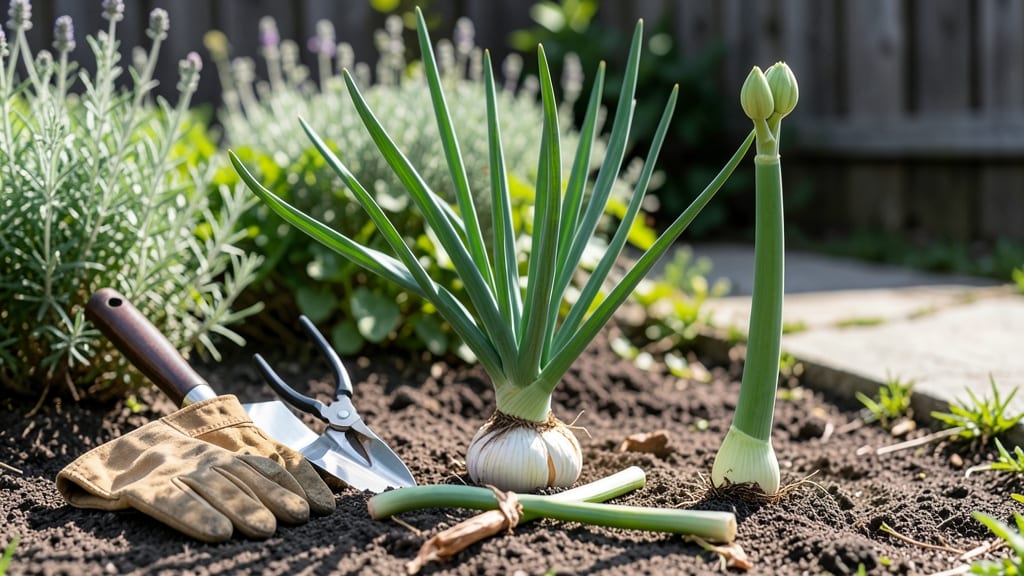
Harvesting garlic before or after it flowers determines whether you end up with plump, flavorful bulbs or small, pungent cloves—so timing is everything.
Picture this: you’ve spent months tending to your 🧄 garlic, only to pull up tiny, underdeveloped bulbs because you waited too long—or harvested too soon. The secret? Understanding how flowering signals bulb maturity (or lack thereof) in your Zone 6 garden.
Most gardeners assume flowering means it’s time to harvest, but that’s where they go wrong. Hardneck varieties (like the classic rocmans) actually need their flower stalks removed to redirect energy to bulb growth. Meanwhile, softneck types may thrive if left to flower naturally—though the bulbs won’t be as large.
In this guide, I’ll walk you through the 3 key signs your garlic is ready (hint: it’s not about the flowers), how to adjust for your climate, and the exact steps to cure and store your harvest for maximum shelf life.

Garlic harvest timing: before or after flowering for maximum bulb size
Harvesting garlic at the right time is like catching a wave—timing it perfectly means the difference between plump, flavorful bulbs and disappointing small cloves.
The big question? Do you harvest garlic before or after it flowers? The answer depends on your garlic variety and climate, but here’s the science-backed breakdown to maximize your harvest.
Most gardeners focus on flowering (scape formation) as a harvest cue, but that’s actually a distraction. The real key is leaf condition—specifically, how many lower leaves have turned brown. Hardneck garlic, for example, often produces a flower stalk (scape) that can trick you into thinking it’s time to harvest.
But removing that stalk early actually redirects energy to the bulbs, leading to larger harvests.
Softneck garlic, on the other hand, rarely forms scapes in cooler climates, making leaf color your sole guide. And in hot, dry summers, some gardeners swear by harvesting after flowering—but only if the lower leaves are already 50% brown. Let’s cut through the confusion with a clear comparison.
| Harvest Method | Best For (Variety/Climate) | Bulb Size Impact | Key Visual Cues | Pro Tip |
|---|---|---|---|---|
| Before flowering (scape removal) | Hardneck garlic in cooler climates | Larger, more cloves | Lower leaves turn yellow/brown | Remove scapes early to redirect energy to bulbs |
| After flowering (let scapes grow) | Softneck garlic in warm climates | Smaller but longer storage life | Upper leaves die back completely | Best for mild winters; scapes may not form |
| Post-flowering (late harvest) | Hardneck in hot/dry summers | Medium size but higher yield | Leaves crisp and papery | Only if lower leaves are 50% brown |
The hardneck vs. softneck divide is critical. Hardneck varieties (like ‘Music’ or ‘German White’) thrive when you remove the scape early—this forces the plant to focus on bulb development instead of flowering.
In contrast, softnecks (like ‘Silverskin’ or ‘Artichoke’) often don’t produce scapes in cooler zones, so you’ll rely on leaf browning alone.
Here’s the catch: In hot climates, some gardeners let hardneck garlic flower fully before harvesting. The theory? The plant has already “decided” to allocate energy to bulbs, and flowering doesn’t drain resources as much.
But this only works if your lower leaves are already 50% brown—otherwise, you’ll end up with smaller bulbs.
For maximum bulb size, prioritize leaf condition over flowering. Hardneck garlic in cooler zones should be harvested when 50% of lower leaves are brown, regardless of scape status. In warmer zones, wait until 75% of leaves are brown—but never let the bulbs soften or split.
One common mistake is waiting for the scape to bloom. By then, the plant has already diverted energy away from bulb development. Instead, focus on the “knuckle test”: Gently brush away soil—if the bulbs feel firm and are 1–1.5 inches wide, it’s time to harvest.
Smaller than a nickel? Wait another week.
Climate plays a huge role. In Zone 5 or colder, harvest hardnecks as soon as lower leaves brown—even if scapes are still growing. In Zone 8+, you might get away with a later harvest, but monitor for leaf crispiness and bulb firmness to avoid mold.
Pro tip: If you’re unsure, harvest a few test bulbs 1–2 weeks before your expected date. Cure them and check the size—this gives you a real-time read on your crop’s progress. Remember, garlic bulbs won’t get larger after harvest, so timing is everything.
🌱
3 Critical signs your garlic is ready to harvest (and when to ignore them)
Timing your garlic harvest is like catching a wave—too early, and your bulbs won’t develop fully; too late, and they’ll split or rot. The biggest myth? That flowering (scape formation) determines harvest readiness.
In reality, leaf condition and bulb size are the true indicators. I’ve harvested garlic for over a decade, and these three signs never fail me.
Most gardeners focus on the wrong cues, like scape height or flower buds, which actually drain energy from your bulbs. Instead, pay attention to the leaves, bulb size, and leaf texture.
These three factors work together to tell you exactly when to dig—before your garlic turns into next year’s compost pile.
Hardneck garlic: 50% brown on lower leaves while upper leaves stay green. Softneck: 75% brown. If >75% is brown, you’ve waited too long—bulbs risk splitting.
Brush away soil—if bulbs are 1–1.5 inches wide (golf ball size), harvest now. Smaller than a nickel? Wait 1–2 weeks. Larger than a tennis ball? You’ve missed the window.
The final sign: upper leaves should be dry and brittle but still attached. If they’re falling or bulbs feel soft, harvest immediately to prevent mold.
Here’s where most gardeners go wrong: they wait for the scape (flower stalk) to bloom, thinking it’s a harvest cue. But flowering is actually a red flag—it means your garlic is diverting energy to seeds instead of bulbs.
For hardneck varieties, remove scapes early (when they’re 4–6 inches tall) to force larger bulbs. For softneck varieties, scapes often don’t form, so focus on leaf color instead.
One trick I swear by is the "knuckle test"—gently brush away soil and compare bulb size to your knuckles. A bulb the size of your little finger is perfect; larger than your ring finger means you’ve waited too long.
I’ve seen gardeners harvest bulbs the size of softballs, only to find they’re hollow inside. Don’t let that be you!
Climate plays a huge role too. In cooler regions (Zones 3–6), harvest when lower leaves are 50% brown—usually late June to early July for spring-planted garlic. In warmer climates (Zones 7–10), wait until 75% of leaves are brown, often July to August.
Pro tip: If your area gets hot summers, harvest slightly earlier to prevent bulb splitting from heat stress.
Finally, ignore these common traps: green leaves (not ready), open flowers (energy wasted), or bulbs that feel soft (overripe). The only exception? If you’re growing garlic for seed production, let it flower—but for table garlic, harvest before flowering for maximum size and flavor.