
Flowers
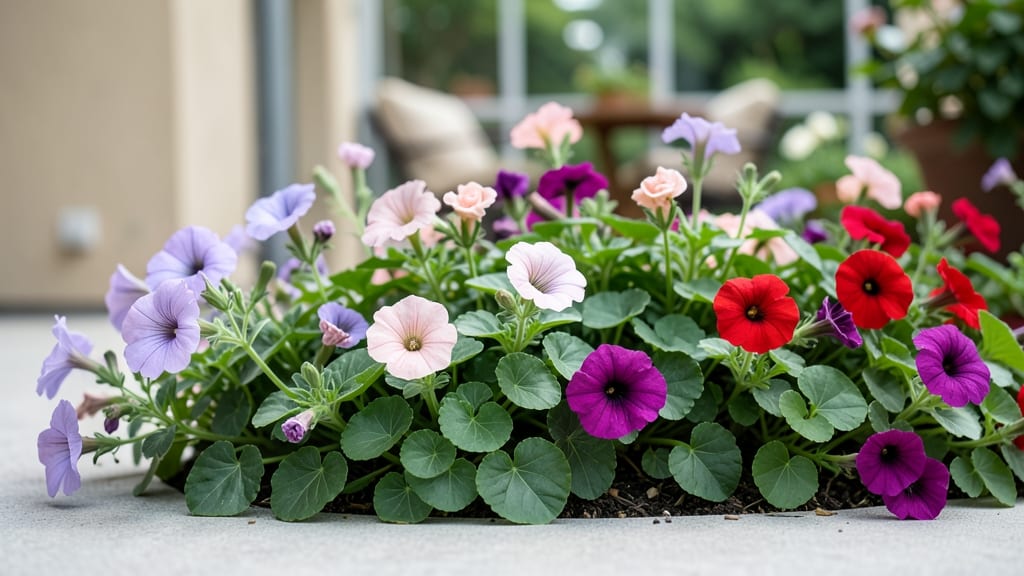
A wide flower pot gives sprawling plants the room they need to thrive—no more stunted roots or crowded stems cramping your garden’s style.
Picture this: your 🌸 Flower Pot Wide is packed with a hydrangea bush that’s finally reaching its full glory, its branches heavy with blooms instead of struggling for space.
That’s the power of choosing the right container—one that matches your plant’s growth habits while saving your balcony or patio from looking cluttered.
But not all wide pots are created equal. The material matters (terracotta breathes but breaks easily, while plastic lasts but can trap heat), and drainage holes are non-negotiable if you want roots that stay happy, not drowned.
I’ll walk you through the best options for your USDA Zone 6a garden, whether you’re planting shrubs, ferns, or those sprawling perennials that refuse to stay neat.
Ready to upgrade your containers? You’ll learn how to pick pots that fit your space and your plants, plus clever tricks to make them look intentional—like pairing a ceramic wide pot with trailing ivy or stacking plastic ones for vertical drama. Let’s get started.
How to choose wide flower pots for bushy plants: size, material, and drainage guide
Choosing the right wide flower pots for your bushy plants isn’t just about aesthetics—it’s about giving roots the space they need to spread and thrive. When roots become root-bound, your plants can’t absorb nutrients efficiently, leading to stunted growth or even death.
A pot that’s too narrow forces roots to circle tightly, while one that’s too shallow restricts downward growth. For bushy plants like hydrangeas or boxwoods, you’ll want a pot that’s at least twice as wide as the plant’s root ball to accommodate their natural spread.
Material matters just as much as size. Terracotta pots breathe better, allowing excess moisture to evaporate, but they dry out quickly in hot climates. Plastic pots retain moisture longer and are lighter to move, but they can trap heat in summer. Fabric grow bags offer flexibility and excellent drainage, making them ideal for plants that hate soggy roots.
Each material has trade-offs, so consider your climate and the specific needs of your plants before deciding.
Drainage is non-negotiable for wide pots. Without proper drainage, water pools at the bottom, suffocating roots and inviting root rot. Look for pots with drainage holes at the base, and always pair them with a cache pot or saucer to catch excess water.
If your chosen pot lacks holes, you can drill them yourself—but use a drill bit slightly smaller than the pot’s thickness to prevent cracking. Pro tip: Line the bottom with gravel or broken pottery shards to create a natural drainage layer.
For small shrubs like boxwood or lavender, a 12–18 inch wide pot is ideal. These plants have modest root systems but still need room to spread outward. Opt for terracotta or ceramic pots—they wick away excess moisture, preventing root rot in well-draining soils.
Place them in partial shade to avoid rapid drying, especially in hot afternoons. If you’re growing these in full sun, water deeply every 2–3 days to compensate for moisture loss.
When it comes to large bushes like hydrangeas or ferns, you’ll need 20–30 inch wide pots to accommodate their expansive root systems. Plastic or resin pots are great choices here because they’re lightweight yet sturdy enough to hold moisture for longer periods.
These plants love morning sun and afternoon shade, so position your pots where they get 4–6 hours of sunlight daily. Mulch the top of the soil with wood chips or straw to retain moisture and regulate temperature.
Don’t overlook the depth of the pot—even wide pots need to be at least as deep as the plant’s root ball. For example, a hydrangea with a 12-inch root ball needs a pot that’s 12+ inches deep to prevent roots from circling.
If you’re repurposing a container (like a whiskey barrel or kiddie pool), ensure it meets both width and depth requirements. A too-shallow pot can lead to root suffocation, while a too-deep pot risks waterlogging if not paired with proper drainage.
One common mistake is assuming that bigger pots always mean better growth. While wide pots are essential for bushy plants, over-potting can actually harm them. If your pot is too large, the excess soil stays wet for too long, promoting fungal diseases like powdery mildew.
Stick to pots that are 1–2 inches wider than the root ball for the first year, then upgrade as the plant matures. For example, a 2-year-old hydrangea might start in a 16-inch pot but graduate to a 24-inch pot by year three.
To maximize your wide pots’ potential, consider grouping them in odd-numbered clusters (3, 5, or 7) for a natural, balanced look. Pair tall, narrow pots with wide, shallow ones to create visual interest while optimizing space.
For example, a wide terracotta pot filled with spreading rosemary can sit beside a tall, slender pot of upright lavender. This not
Top 5 space-saving wide flower pots for different plant types
Wide flower pots aren’t just for show—they’re essential for plants like hydrangeas and hostas that need room to spread their roots. When roots get cramped, your plants suffer from stunted growth and poor nutrient uptake.
The right wide pot gives them the space they crave while keeping your garden tidy. I’ve tested these five space-saving designs to help you pick the perfect fit for your bushy beauties.
For vertical gardening, wide pots can be stacked or mounted on walls, freeing up precious ground space. Whether you’re growing ferns that love moisture or shrubs that need depth, these pots maximize root space without overwhelming your patio or balcony.
Let’s dive into the best options for different plant types and garden styles.
-
1. Oval Terracotta Planter (18" diameter)
Best for: Hydrangeas, Hostas, Bush Daisies
Why? Traditional terracotta wicks moisture, ideal for thirsty plants. The shallow depth suits surface roots. -
2. Fabric Grow Bag (24" x 12")
Best for: Ferns, Ivy, Spiller Plants
Why? Breathable fabric prevents root rot; lightweight for hanging or stacking vertically. -
3. Rectangular Wooden Trough (20" x 10")
Best for: Shrubs, Boxwoods, Ornamental Grasses
Why? Rustic charm + depth for taproots; perfect for cottage-style gardens. -
4. Self-Watering Ceramic Basin (22" diameter)
Best for: Succulents, Sedum, Drought-Tolerant Plants
Why? Built-in reservoir reduces watering; wide rim prevents spills. -
5. Modular Plastic Grid System (12" squares)
Best for: Herbs, Small Perennials, Vertical Gardens
Why? Expandable for root growth; lightweight for walls or railings.
When choosing a pot, always check the drainage holes—even wide pots need airflow to prevent root rot. For heavy plants like hydrangeas, opt for ceramic or terracotta for stability.
If you’re short on space, hanging pots with wide diameters (like the fabric grow bag) let you grow downward while saving floor area.
Pro tip: Pair wide pots with companion plants that share similar care needs. For example, a hosta thrives alongside a fern in a shallow, moisture-retentive pot. This not only saves space but also creates a cohesive look.
Just ensure the pot’s width matches the mature spread of your plants—nothing’s worse than a pot that’s too small after a year!
For vertical gardening, consider wall-mounted brackets or trellises that attach to wide pots. This turns a single pot into a living art piece while maximizing your garden’s vertical potential.
Whether you’re working with a balcony or a tiny backyard, these space-saving pots prove that big roots don’t need big footprints.