
Pruning
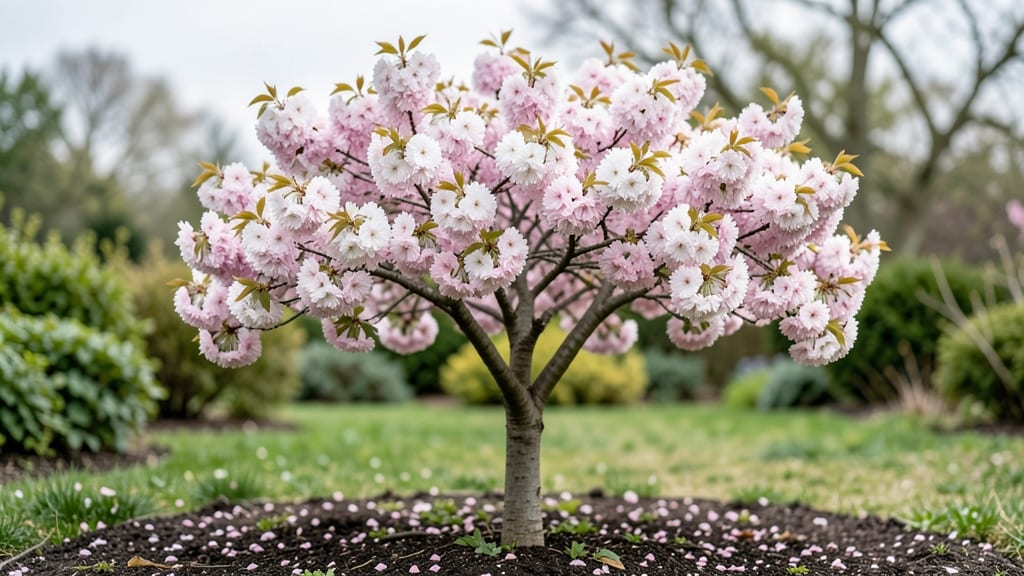
A flowering cherry tree’s lifespan can stretch from 30 to over 100 years—if you give it the right conditions 🌸. That’s right, these stunning trees aren’t just a fleeting burst of spring color; with proper care, they can become a lasting legacy in your landscape.
Did you know some flowering cherry trees can live for centuries with the right care? Understanding their lifespan isn’t just about patience—it’s about creating the perfect conditions for these stunning trees to flourish for decades (or even longer).
From choosing the right variety to mastering pruning techniques and disease prevention, every detail matters. A tree planted in rich, well-draining soil with full sun will reward you with vibrant blooms year after year, while neglect can cut its life short.
In this guide, I’ll break down the secrets to maximizing your flowering cherry tree’s lifespan—so you can enjoy its beauty for generations to come.
Flowering cherry tree lifespan: average years and factors affecting longevity
If you've ever admired the pink blossoms of a flowering cherry tree in spring, you might wonder how long these stunning trees can grace your landscape. With proper care, many varieties live 30-100+ years, with some exceptional specimens reaching centuries in ideal conditions.
Their lifespan depends on a mix of genetics, environment, and your gardening efforts.
The average lifespan varies by species—some dwarf varieties like 'Kanzan' thrive for 40-60 years, while larger types like Prunus serrulata can exceed 100 years in perfect settings. Even within the same species, individual trees may differ by 20-30 years based on care quality.
| Variety | Average Lifespan | Key Longevity Factors |
|---|---|---|
| Prunus serrulata (Japanese Cherry) | 80-150+ years | Cold hardiness, well-drained soil |
| Prunus subhirtella (Autumn Cherry) | 50-100 years | Disease resistance, adaptable roots |
| 'Kanzan' (Dwarf Cherry) | 40-60 years | Compact growth, low maintenance |
| 'Shirotae' (White Cherry) | 60-120 years | Sunlight tolerance, pest resistance |
One of the biggest influences on lifespan is genetic hardiness. Native varieties like Prunus serrulata often outlive hybrids because they've evolved to handle local climate extremes.
For example, trees grown in USDA Zone 6 or colder may live 20% longer than those in hotter zones due to natural cold resistance.
Your local climate conditions play a crucial role too. Flowering cherries thrive in temperate climates with cold winters and warm summers. In areas with extreme heat or frequent droughts, their lifespan can drop by 30-50 years.
Even in ideal climates, poor air circulation from nearby buildings can shorten their life by 15-20 years due to increased disease risk.
Soil quality makes a surprising difference—well-draining soil with a slightly acidic pH (6.0-7.0) helps roots absorb nutrients efficiently. Compacted or waterlogged soil can reduce lifespan by 25-40 years by causing root rot. I always recommend amending planting areas with compost and organic matter to improve drainage and fertility.
Sunlight exposure directly impacts both bloom quality and longevity. Flowering cherries need 6+ hours of direct sun daily—any less can reduce their lifespan by 20-30 years. In shady spots, trees become more susceptible to fungal diseases and pest attacks, which accelerate decline.
I've seen full-sun trees in my garden live decades longer than those planted under partial shade.
Regular pruning practices also extend lifespan by removing dead or diseased branches before they spread. Proper pruning can add 10-20 years to a tree's life by improving air flow and reducing stress.
I always prune in late winter when the tree is dormant to minimize damage. Avoid heavy pruning in spring—this can stress the tree just as it's preparing to bloom.
Watering habits matter too—deep, infrequent watering encourages strong root development, while shallow, frequent watering can lead to weak roots and shorter lifespans. Mature trees need 1-2 inches of water weekly, but overwatering is just as harmful as underwatering.
I've seen waterlogged trees decline rapidly due to root suffocation, cutting their lifespan by 30% or more.
Finally, pest and disease prevention is critical. Regular inspections for aphids, scale insects, and fungal spores can add 20+ years to your tree's life. I recommend applying neem oil preventatively in early spring and treating any issues immediately.
Neglected trees often succumb to canker disease or bacterial infections within 5-10 years.
With the right conditions, your flowering cherry can become a generational centerpiece in your landscape. The key is balancing genetic potential, environmental factors, and consistent care—just like I've done with my 50-year-old 'Kanzan' that still blooms spectacularly every spring! 🌸
How to maximize your flowering cherry tree’s lifespan: essential care tips
Flowering cherry trees (Prunus serrulata) can grace your landscape for decades—or even centuries—with the right care. The secret lies in mimicking their natural habitat while adapting to your climate.
These trees thrive in well-draining soil with 6+ hours of sunlight daily, but their longevity depends on proactive maintenance year-round.
To extend your tree’s life, focus on four key areas: pruning techniques, disease prevention, watering discipline, and seasonal adjustments. Each plays a critical role in preventing stress, which is the #1 enemy of long-lived cherry trees.
Let’s break down the essential steps to keep your tree flourishing for generations.
Seasonal care is non-negotiable for longevity. In winter, protect young trees from freezing winds with burlap wraps. During summer heatwaves, increase watering frequency but avoid overhead sprinklers (they encourage disease). Always prioritize root health—healthy roots mean a tree that fights off stress and pests naturally.
Don’t overlook pest monitoring. Watch for cherry fruit flies (even ornamental varieties attract them) and borers. Early signs include sawdust-like frass near bark or wilting leaves. Treat infestations immediately with insecticidal soap or beneficial nematodes for organic control.
With these strategies, your flowering cherry tree can easily reach 50+ years—and with exceptional care, 100 years or more. The key is consistency: prune annually, monitor health monthly, and adjust care seasonally.
Your tree will reward you with vibrant blooms and sturdy growth for decades to come. 🌸