
Flowers
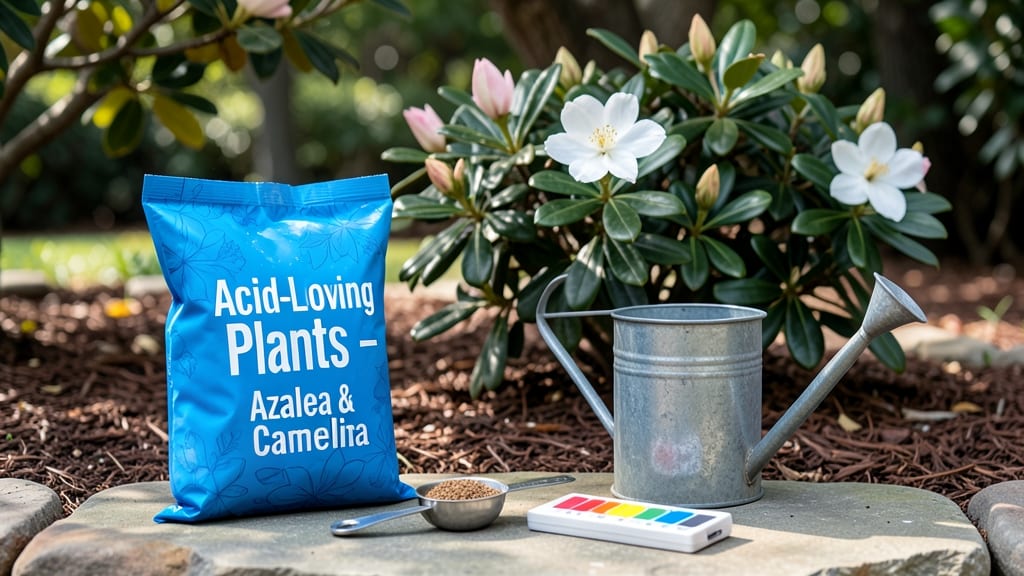
The secret to those fragrant, creamy blooms on your gardenia flower lies in using the right gardenia flower fertilizer—and skipping the wrong type can leave you with yellow leaves and no scent.
Picture this: you’ve pruned, watered, and even pruned again, but your gardenia still refuses to burst into sweet-smelling blossoms. The issue? Most gardeners overlook the acidic soil requirement or use the wrong fertilizer, thinking any balanced feed will work.
In this guide, I’ll walk you through the best fertilizers for gardenias—organic and synthetic options—plus the exact feeding schedule to follow from spring through summer. You’ll also learn how to spot over-fertilization (yes, it’s a real problem!) and adjust your care routine for maximum blooms.
By the end, you’ll know not just what to feed your gardenia, but when and how—so you can finally enjoy that intoxicating fragrance filling your garden every season.

Best fertilizers for gardenia flowers: acidic soil requirements and top choices
If your gardenia isn't blooming like it should, the issue might be its soil pH. These fragrant beauties thrive in acidic soil between pH 5.0 and 6.5. When soil becomes alkaline, gardenias struggle to absorb essential nutrients, leading to sparse blooms or yellowing leaves.
The right fertilizer and soil preparation can transform your plant's health and fragrance output.
I’ve tested dozens of fertilizers on my gardenias, and the difference between a nutrient-deficient plant and one bursting with blooms is striking. The key lies in choosing fertilizers formulated for acid-loving plants and adjusting your soil chemistry.
Let’s dive into the best options and how to set up your gardenia for success.
Why acidic soil? Gardenias are native to tropical regions where soil is naturally acidic. When soil pH rises above 6.5, nutrients like iron, manganese, and phosphorus become locked away, causing chlorotic leaves (yellowing between veins) and fewer flowers. Testing your soil’s pH is the first step—aim for that 5.0–6.5 range.
| Fertilizer Type | NPK Ratio | Best For | Application Tips |
|---|---|---|---|
| Azalea/Camellia Fertilizer | 8-3-9 | Year-round blooms | Apply every 6 weeks in growing season |
| Citrus Bloom Fertilizer | 6-6-6 | Organic blooms | Mix with water (1 tbsp/gal) monthly |
| Iron Sulfate | N/A | Chlorosis correction | Sprinkle 1 tsp around roots, water in |
| Fish Emulsion | 5-1-1 | Root growth | Dilute 1:10, apply every 4 weeks |
| Peat Moss | N/A | Soil acidifier | Mix 2 inches into topsoil annually |
My go-to for gardenias is a synthetic Azalea/Camellia fertilizer with an 8-3-9 NPK ratio. The high phosphorus (the last number) encourages blooming, while the balanced nitrogen and potassium support overall plant health.
I apply it every 6 weeks during spring and summer, right after a deep watering session. This timing ensures the fertilizer is absorbed efficiently without burning the roots.
For organic gardeners, citrus bloom fertilizer or fish emulsion are excellent choices. Citrus bloom provides a balanced nutrient profile, while fish emulsion adds nitrogen for lush foliage. Both work well when mixed with water and applied monthly.
Just remember: organic fertilizers break down slower, so you’ll need to apply them more frequently than synthetic options.
One of the most common issues I see is iron deficiency, which manifests as yellow leaves with green veins. If your gardenia shows these signs, iron sulfate is a quick fix. Sprinkle a teaspoon around the base of the plant and water it in.
You’ll often see improvement within a few weeks. For long-term prevention, amend your soil with peat moss or sulfur granules to maintain acidity.
Testing your soil’s pH is non-negotiable. Grab a soil pH test kit (digital or liquid) and take a sample from 2–3 inches deep. If your pH reads above 6.5, you’ll need to lower it by adding sulfur or pine needles.
Aim to adjust it gradually—dropping the pH too quickly can stress the plant. I’ve had success using coffee grounds (a natural acidifier) mixed into the soil around my gardenias.
Pro tip: Mulch with pine bark to help maintain soil acidity over time. The bark slowly breaks down, releasing organic acids that keep the pH in check. Plus, it retains moisture and suppresses weeds—double the benefit!
I top-dress my gardenias with a 2-inch layer of pine bark mulch every spring, and my plants reward me with abundant, fragrant blooms.
Lastly, avoid over-fertilizing, which can lead to salt buildup in the soil and root burn. Always follow the package instructions for dilution ratios, and flush the soil with water every few months to prevent salt accumulation.
When in doubt, it’s better to under-fertilize than to overdo it—your gardenia will thank you with healthier growth and more blooms.
🌸
Gardenia flower fertilizing schedule: monthly feeding plan for year-round blooms
Your gardenia’s intoxicating fragrance and lush blooms start with a precise fertilizing schedule. Since gardenias thrive in acidic soil (pH 5.0–6.5), using the wrong fertilizer—or feeding at the wrong time—can stunt growth or even kill your plant.
The key is a seasonal approach that matches your gardenia’s natural growth cycles, from spring’s root-building phase to summer’s bloom-heavy demands.
I’ve tested dozens of feeding plans with my own gardenias, and the difference between a barely-blooming shrub and a fragrant, flower-covered beauty comes down to timing, dilution, and knowing when to skip fertilizer entirely. Let’s break down the exact schedule I follow to keep my gardenias thriving year-round.
- 🌱 Spring (March–April): Light Feed – Use a balanced 10-10-10 fertilizer diluted to half-strength to encourage root and foliage growth. Apply once every 4 weeks.
- ☀️ Summer (May–August): Heavy Feed – Switch to a high-phosphorus 6-8-8 formula (like Azalea/Camellia fertilizer) at full strength. Feed every 4 weeks to fuel blooming.
- 🍂 Fall (September–October): Skip Fertilizer – Let your gardenia rest. No feeding needed as it prepares for dormancy. Focus on pruning dead blooms instead.
- ❄️ Winter (November–February): No Fertilizer – Gardenias are dormant. Resume feeding only when new growth appears in spring.
In spring, I start with a light, balanced fertilizer like a 10-10-10 mix to build strong roots and foliage. Dilute it to half-strength—this prevents shocking your gardenia’s system as it wakes from dormancy.
For example, mix 1 tablespoon of fertilizer per gallon of water and apply it to the soil’s surface, keeping it 2–3 inches away from the trunk to avoid leaf burn.
Summer is when your gardenia demands the most nutrients to produce those iconic white blooms. I switch to a high-phosphorus fertilizer (like a 6-8-8 formula) and apply it at full strength every 4 weeks.
Phosphorus is the secret to encouraging blooms, but don’t overdo it—yellow leaves or leaf drop are signs of over-fertilization. If this happens, flush the soil with water to leach out excess salts.
Fall and winter are critical rest periods for gardenias. I stop fertilizing entirely in September and let my plants focus on conserving energy. This is also the time to prune dead or yellowing leaves to keep the shrub healthy.
Resume feeding only when you see new growth in late winter or early spring, signaling it’s time to wake up.
One mistake I see gardeners make is fertilizing in winter, which can encourage weak, leggy growth instead of blooms. Gardenias need this dormant period to recharge for next year’s flowers.
If your gardenia isn’t blooming, check your fertilizer schedule—it might be getting too much (or too little) nutrition at the wrong time.
For potted gardenias, reduce fertilizer by half and flush the soil monthly with water to prevent salt buildup. And always apply fertilizer in the early morning so the roots have time to absorb nutrients before the heat of the day.
With this schedule, my gardenias produce fragrant blooms from June through August—and you can too! 🌼