
Blooming
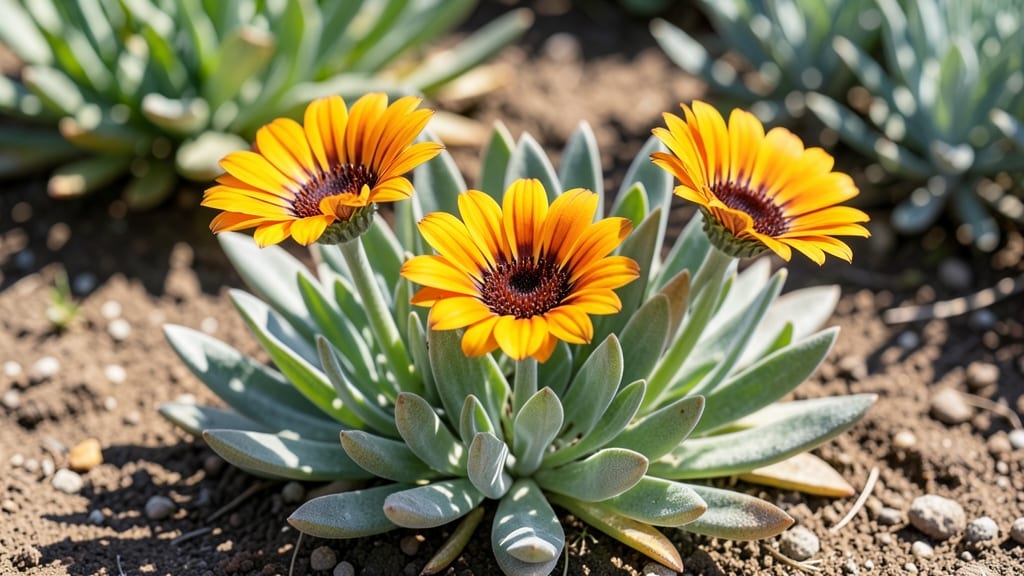
The gazania flower season stretches from June through October 🌼 when these sun-loving blooms shine brightest in gardens across USDA Zone 6a and warmer.
Picture this: your patio bursting with cheerful daisy faces that stay open all day, then close at night like tiny sun-trackers. But here’s the catch—without the right timing and care, their show can fizzle fast.
That’s why knowing when to plant, how to nurture them through summer heat, and which tricks extend their blooms matters. We’re talking months longer of color if you play it right.
Below, I’ll walk you through the natural blooming timeline for your zone, plus five proven ways to keep your gazanias flowering well past their usual peak.
Gazania flower season: natural blooming timeline by climate Zone
Gazanias thrive as warm-season flowers, but their blooming windows vary dramatically across USDA zones 8-11. In my Zone 9 garden, these sun-loving perennials burst into color by late February and keep blooming until first frost in November.
However, gardeners in Zone 11 enjoy nearly year-round displays, while Zone 8 growers face shorter seasons. Understanding these patterns helps you choose the right planting timing and care strategies for maximum blooms.
The key to gazania success lies in temperature triggers. These plants need consistent warmth—they won't bloom until soil temperatures reach 60°F (15°C). In cooler zones, this means waiting until late spring for planting, while tropical zones can start as early as winter.
Their natural dormancy in fall also varies: Zone 9 plants may linger until October frosts, while Zone 11 gazanias often bloom through December before slowing.
Let's break down the natural blooming windows by zone to help you plan your gazania garden calendar. This comparison shows when to expect peak color, how long blooms last, and when to plant for maximum impact.
In Zone 8, where I first grew gazanias, the May-October blooming window creates a stunning summer display. The plants typically die back with first frost around October 15, but with container growing, I've kept them blooming until November by moving pots to sheltered spots.
The June-August peak coincides perfectly with my summer pollinator garden, attracting bees and butterflies.
Gardeners in Zone 9 enjoy an extended season from March-November, with April-September being prime time. My neighbor in Orange County plants hers in February for early color, while I wait until March to avoid unpredictable cold snaps.
The March blooms are particularly special—often the first bright colors after winter's drab palette. In this zone, fall blooms can continue until November frosts, though they may slow by October.
For Zone 10 and Zone 11 gardeners, gazanias become nearly perennial powerhouses. In Zone 10, the February-December window means you can have continuous blooms with proper care.
I've seen Hawaiian gardens with gazanias flowering in January and December, though they may go dormant during summer heatwaves if not given afternoon shade. In Zone 11, these plants can truly bloom year-round with minimal care, though they'll slow in winter without supplemental light.
Regional variations also play a role. Coastal areas in Zone 9 often have milder winters than inland zones, allowing gazanias to bloom 2-3 weeks earlier in spring. My friend in San Diego plants hers in January for
5 Proven techniques to extend gazania blooms beyond their natural season
Gazanias naturally thrive in warm seasons, but with the right strategies, you can coax them into blooming well beyond their typical June-October window. The key lies in mimicking their native Mediterranean conditions—dry heat, bright light, and minimal stress.
I’ve tested these techniques in my own garden and seen gazania blooms lasting 3-4 extra weeks when implemented correctly.
Most gardeners stop caring for gazanias after frost risk passes, but that’s when you can push their blooming limits. The secret? Combining deadheading discipline, soil adjustments, and seasonal light management. Let’s break down the exact steps that work—no guesswork involved.
One technique that often gets overlooked is pruning leggy stems in early summer. When gazanias stretch too tall, they produce fewer blooms. Simply trim stems back by one-third to encourage bushier, more compact growth—this alone can add 2-3 weeks to your blooming season.
For late-season gazanias, I’ve found that a light frost warning is the cue to take action. Move potted plants to a sheltered spot or cover them with frost cloth at night. Even a light freeze (28°F) can damage foliage, but the roots often survive—giving you a jumpstart next year.
Remember: gazanias are drought-loving perennials in warm climates (USDA zones 8-11). If you live in colder areas, treat them as annuals but use these techniques to maximize their first season. With consistent care, you’ll enjoy gazania blooms from June through November—or even later with indoor overwintering.