
Blooming
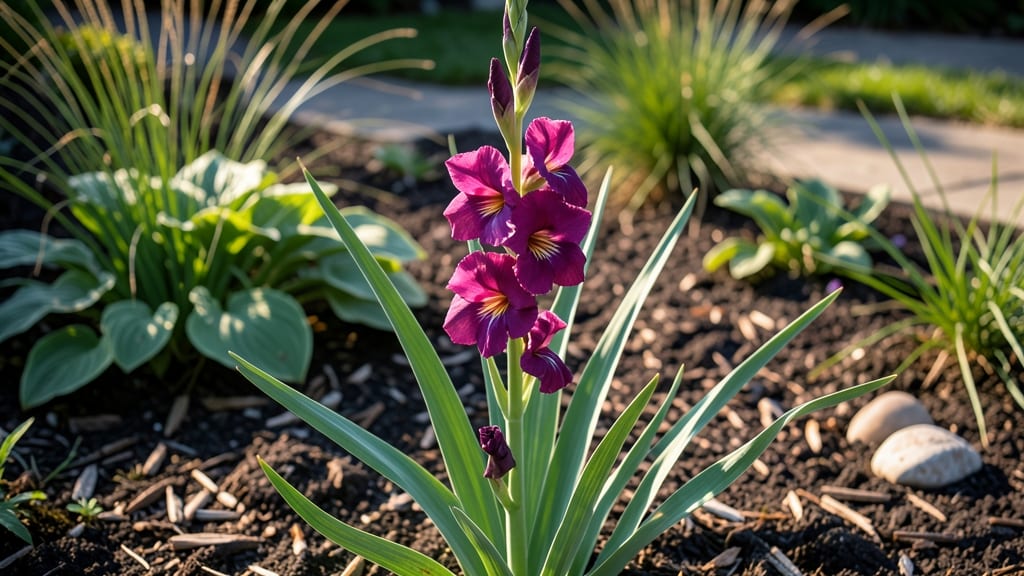
Gladioli bloom during the gladioli flowering season in late summer through fall 🌸, delivering bold, vertical drama that no other flower can match—but only if you plant them at the right time.
Picture this: you’ve waited months for those towering spikes to rise, only to have them flop in the heat or bolt before they even open. That’s the frustration of missing the narrow flowering window gladioli demand.
Here’s the good news: with the right timing, soil prep, and a few pro tips, you can turn your garden into a season-long spectacle from July through September.
I’ll break down the exact months by zone, how to push blooms earlier or later, and the common mistakes that steal your showstopper season.
Ready to unlock longer, more vibrant blooms? Let’s get your gladioli on schedule—and keep them there.
Gladioli flowering season by USDA plant hardiness Zones: exact months
Timing your gladioli planting is the secret to unlocking their show-stopping summer blooms. These tall, dramatic flowers thrive in USDA Zones 3-10, but their flowering windows shift dramatically depending on where you live.
In colder zones, expect late July to early September blooms, while warmer southern gardens may see flowers as early as June or as late as October. The key? Planting at the right time relative to your last frost date and choosing varieties suited to your climate.
Gladioli are corm-based perennials that store energy underground, making them perfect for seasonal bloomers with precise timing needs. Early varieties like 'Early Flowering' can bloom in Zone 7 by June, while late varieties like 'Green Star' may not peak until September in Zone 3.
Understanding these zone-specific windows helps you plan for continuous color from summer into fall.
| USDA Zone | Planting Time | Flowering Window | Early Varieties | Late Varieties |
|---|---|---|---|---|
| Zones 3-4 | Mid-May to early June | Late July to early September | 'Early Flowering' | 'Green Star' |
| Zones 5-6 | Late April to May | June to August | 'Attraction' | 'Black Star' |
| Zones 7-8 | March to April | May to September | 'Champagne' | 'Pink Parfait' |
| Zones 9-10 | January to February | March to October | 'White Friendship' | 'Red Beauty' |
🌱 Note: Adjust planting by 2-4 weeks earlier in warmer microclimates or later in cooler pockets.
In Zones 3-4, where frost lingers longer, gladioli need extended warmth to bloom. Planting in mid-May ensures corms establish roots before summer heat arrives. Early varieties like 'Early Flowering' may start blooming by late July, but most gardens see peak color in August.
The short growing season means late varieties like 'Green Star' often bloom into early September before frost.
Gardeners in Zones 5-6 enjoy the longest gladioli flowering window, from June to August. This makes them ideal for cut flower arrangements and border displays. Plant in late April to give corms time to root before summer heat peaks.
Varieties like 'Attraction' (early) and 'Black Star' (late) create a staggered bloom effect when planted in succession.
Warmer climates in Zones 7-8 allow for earlier planting and longer blooms. Start planting as early as March for May blooms, with some varieties like 'Champagne' continuing into September.
The extended season lets you experiment with fall-planted corms for winter interest in milder areas. Just watch for heat stress in Zone 8—shade cloth can help during peak summer.
Southern gardeners in Zones 9-10 have the advantage of year-round growing potential. Plant in January or February for March blooms, and some varieties like 'White Friendship' may rebloom if given proper care.
The longest flowering window (March to October) makes gladioli a reliable summer staple. However, high humidity increases rot risks, so ensure well-draining soil and good airflow.
For staggered blooms, plant 3-4 varieties at 2-week intervals. This creates a continuous color display from early summer to fall.
For example, in Zone 6, plant 'Attraction' in late April, 'Black Star' in mid-May, and 'Pink Parfait' in early June for a 3-month show.
Heat tolerance varies by variety. Southern-friendly types like 'Red Beauty' handle 90°F+ temps better than northern varieties. In Zones 9-10, provide afternoon shade during peak summer
How to extend your gladioli flowering season with proven techniques
If your gladioli bloom for just a few weeks and then vanish, you’re not alone. These stunning flowers have a naturally short flowering window, but with the right tricks, you can stretch their display from early summer to early fall.
The secret lies in understanding their temperature triggers and strategic planting choices.
Gladioli respond to soil warmth and day length to initiate blooming. By manipulating these factors—like planting deeper or choosing heat-tolerant varieties—you can coax flowers to open weeks earlier or later than usual. Let’s explore the most effective methods to turn your garden into a gladioli extravaganza for months.
-
1. Plant deeper for earlier blooms
Dig corms 6-8 inches deep in cool climates to delay sprouting until soil warms. This pushes blooming 2-3 weeks earlier in spring. -
2. Choose heat-tolerant varieties
Select late-season types like 'Black Star' or 'Green Star' to bloom in hotter months without stress. -
3. Use black plastic mulch
Cover beds with black landscape fabric to raise soil temps by 5-10°F, triggering earlier shoots in spring. -
4. Stagger planting dates
Plant 3 batches 2 weeks apart to create a continuous bloom from July to September. -
5. Fertilize strategically
Apply high-phosphorus fertilizer (like 5-10-10) at planting to boost root development and flower production.
For earlier blooms, focus on soil temperature manipulation. Plant corms in late winter under a cold frame or row cover to warm the soil gradually. This tricks the plants into thinking spring has arrived sooner, often resulting in blooms 3-4 weeks ahead of schedule.
To extend the season into fall, prioritize late-blooming varieties and avoid over-fertilizing with nitrogen after midsummer. Excess nitrogen promotes leafy growth at the expense of flower buds, cutting your season short. Instead, switch to a phosphorus-rich fertilizer in August to encourage late-season blooms.
Don’t forget the power of deadheading! Remove spent blooms daily to redirect energy into new flowers. This simple habit can add 2-3 extra weeks to your gladioli’s display. Pair it with consistent watering (1 inch per week) to keep stems sturdy and vibrant.
With these techniques, you’ll transform your gladioli from a brief summer flash to a season-long spectacle. Start experimenting this year—your garden’s late-summer color will thank you! 🌸