
Flowers
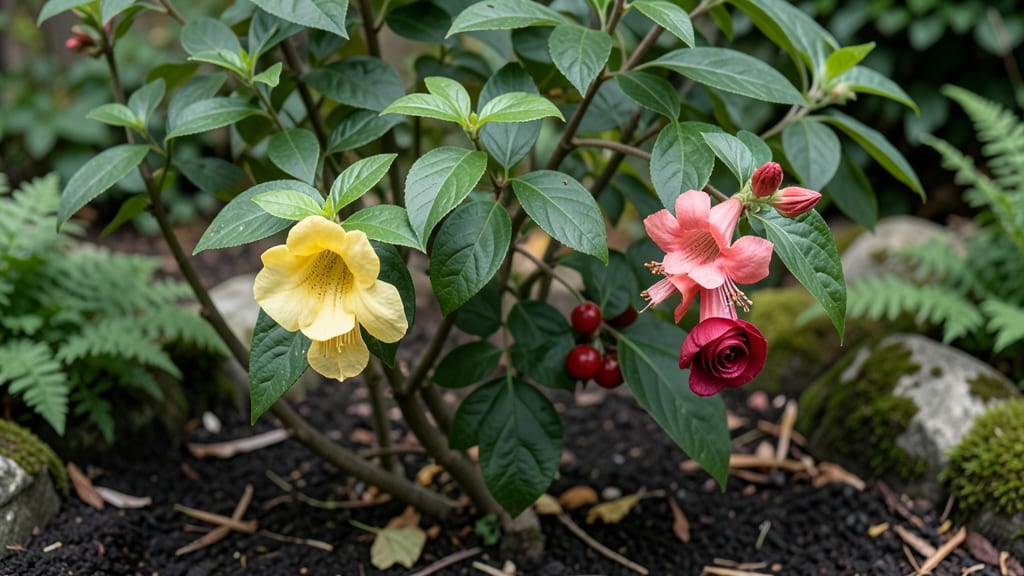
Honeysuckle flower colors range from sunny yellows to deep purples, offering gardeners a fragrant palette to brighten any outdoor space 🌸.
Did you know honeysuckle flowers come in more than just yellow? From soft whites to bold reds, these vibrant blooms can transform any garden into a fragrant paradise—but choosing the right variety matters for both aesthetics and growth success.
Whether you're dreaming of a cottage-style garden or a modern pollinator haven, the right honeysuckle color can set the tone. Some varieties attract hummingbirds with their bright hues, while others create soft, romantic borders.
In this guide, I’ll break down 10 stunning honeysuckle flower colors, their ideal growing conditions, and how to pair them for maximum visual impact and seasonal beauty.
10 Stunning honeysuckle flower colors and their Best-growing conditions
Honeysuckle isn't just one color—it's a vibrant palette waiting to transform your garden. From classic creamy whites to bold deep reds, each shade brings unique charm and attracts different pollinators.
But did you know some varieties thrive in full sun while others prefer shade? Let’s explore 10 stunning honeysuckle colors and the perfect conditions to grow them.
Whether you're designing a romantic cottage garden or a modern pollinator haven, choosing the right honeysuckle color can make all the difference. Some varieties bloom early in spring, while others shine in late summer, extending your garden's beauty season.
Let’s dive into the specifics so you can pick the perfect shade for your space.
| Color | Variety | Bloom Time | Hardiness Zones | Sunlight Needs |
|---|---|---|---|---|
| White | Lonicera 'White Perfume' | Late spring | 4-9 | Partial sun |
| Cream | Lonicera 'Graham Thomas' | Summer | 4-8 | Full sun |
| Yellow | Lonicera 'Serotina' | Late summer | 5-9 | Partial shade |
| Pink | Lonicera 'Belgica' | Early summer | 3-8 | Full sun |
| Red | Lonicera 'Fire Dance' | Summer | 4-9 | Partial sun |
| Purple | Lonicera 'Purpurea' | Late spring | 5-9 | Partial shade |
| Orange | Lonicera 'Dropmore Scarlet' | Summer | 4-8 | Full sun |
| Bi-color | Lonicera 'Gold Flame' | Late spring | 5-9 | Partial sun |
| Lavender | Lonicera 'Perle Cloud' | Summer | 4-8 | Partial shade |
| Chartreuse | Lonicera 'Lemon Beauty' |
How to choose honeysuckle colors for your garden design and pollinator appealSelecting the right honeysuckle flower colors can turn your garden into a pollinator magnet while creating stunning visual contrasts. The key is balancing seasonal bloom sequences with complementary plants that enhance both fragrance and color harmony. For example, pink honeysuckles like 'Blush' pair beautifully with creamy clematis for a romantic cottage garden vibe. If you're aiming for a modern garden design, consider deep purple varieties such as 'Midsummer Beauty' alongside silver foliage plants like lamb's ear. These combinations create striking contrasts while attracting hummingbirds and butterflies. The secret lies in understanding which colors pollinators prefer—bright reds and purples are especially effective for hummingbirds. For a sequential bloom strategy, mix early bloomers like white honeysuckle ('Annabelle') with late-season varieties such as golden honeysuckle ('Lemoinei'). This ensures continuous color from spring through fall. Pair these with perennial salvia or bee balm to extend the pollinator buffet.
Don't overlook seasonal transitions—plant early blooming varieties like 'Grandiflora' (white) near late-season bloomers such as 'Serotina' (yellow). This creates a continuous floral display that keeps your garden lively. For example, a white honeysuckle arbor paired with climbing roses in blush tones adds layers of romance and fragrance. When designing for pollinator appeal, focus on color contrasts that guide insects to nectar. Red and purple honeysuckles are especially effective because their vibrant hues are visible from a distance. Add native wildflowers like black-eyed Susans or cone flowers to create a pollinator superhighway through your garden. For a low-maintenance approach, choose dwarf varieties like 'Little Suzie' (pink) for borders or containers. These thrive in partial shade and pair well with heuchera or cortex for year-round interest. Remember, fragrance matters too—opt for heavily scented varieties like 'Golden Gates' for a sensory-rich experience. |