
How To
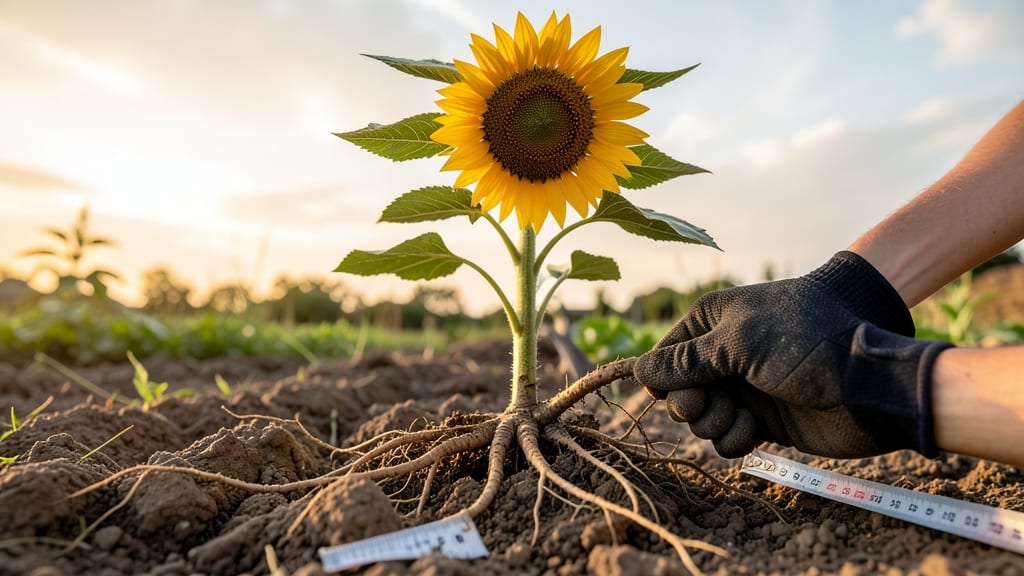
Sunflower roots grow 3 to 6 feet deep—far deeper than most gardeners realize—and that hidden taproot is the secret to their towering strength.
Picture this: a 12-foot sunflower standing firm in a summer storm while its neighbors topple over. The difference? Those roots burrowing deep into the earth, anchoring the plant like a skyscraper’s foundation.
If you’ve ever planted sunflowers and wondered why some thrive while others struggle, the answer lies beneath the soil.
Deep roots aren’t just about stability—they’re also the plant’s lifeline, reaching down for water and nutrients when surface soil dries out. But here’s the catch: poor soil or shallow planting can stunt that growth, leaving your sunflowers weak and wobbly.
The good news? With the right techniques, you can encourage those roots to grow strong and steady.
In this guide, I’ll break down exactly how deep sunflower roots go, what factors influence their growth, and—most importantly—how you can set your plants up for success from day one. No more guesswork, just healthier, sturdier sunflowers that reach for the sky with confidence.
Sunflower taproot depth explained: how deep roots anchor giant plants
Sunflowers aren’t just stunning above ground—their true strength lies in their taproot systems, which can plunge 3 to 6 feet deep into the soil. This deep root structure isn’t just for show; it’s the secret behind their stability during storms and access to water and nutrients in dry conditions.
Unlike shallow-rooted plants, sunflowers develop a single, thick primary root that grows vertically while sending out lateral roots to stabilize the plant.
Understanding this depth helps gardeners optimize planting techniques. For example, loose, well-drained soil encourages deeper root penetration, while compacted soil can stunt growth. The deeper the roots, the more resilient the plant becomes, especially in windy or drought-prone areas.
This is why sunflowers thrive in USDA Zone 6a and beyond, where their roots can reach moisture far below the surface.
The taproot system of sunflowers begins as a small seedling root but can grow 1–2 inches per day under ideal conditions. This rapid growth is critical during the first 30 days after planting, when the root establishes its depth.
By the time the plant reaches 3–4 feet tall, its roots may already be 2–3 feet deep, anchoring it firmly in the soil.
Comparing sunflowers to other deep-rooted plants reveals their efficiency. While aspen trees can send roots 30 feet deep, sunflowers prioritize speed and stability with their 3–6 foot taproots.
This depth allows them to outcompete weeds for nutrients and survive drought conditions by accessing moisture below the soil’s surface layer. In contrast, corn relies on shallower lateral roots, making it more vulnerable to drying out.
For gardeners, this root depth explains why proper soil preparation is non-negotiable. Loosening the soil to 12 inches deep before planting removes compaction, allowing roots to penetrate effortlessly. Avoiding over-fertilization with nitrogen also prevents excessive top growth at the expense of root development.
A balanced 10-10-10 fertilizer applied in early summer supports both foliage and root growth.
One common misconception is that sunflowers don’t need deep watering because they’re drought-tolerant. While true once established, deep watering every 3–5 days during the first month encourages root growth.
Shallow watering leads to surface roots, which struggle in dry spells. Aim for 1–2 gallons per plant to simulate natural rainfall and promote downward root expansion.
The relationship between root depth and plant height is fascinating. Studies show that sunflowers with roots exceeding 4 feet produce 20% taller stalks and larger flower heads. This is because deeper roots access phosphorus and potassium, essential for energy transfer and structural support.
If your sunflowers seem stunted, check their roots—compacted or shallow soil could be the culprit.
To maximize root depth, plant seeds 1 inch deep in well-draining soil and space them 6 inches apart. As they grow, thin to 12–18 inches apart to reduce competition.
Mulching with straw or wood chips retains moisture and prevents soil crusting, which can block root growth. Avoid tilling after planting, as it disrupts the delicate root tips.
In summary, sunflower roots are a marvel of nature’s engineering—deep, resilient, and vital for the plant’s survival. By understanding their growth patterns and optimizing soil conditions, you can grow sunflowers that stand tall, resist wind, and thrive even in challenging climates. 🌻
Factors that determine sunflower root depth (and how to optimize them)
Sunflower roots aren't just deep—they're critical for stability and nutrient access. On average, sunflower taproots grow 3-6 feet deep, but this varies based on growing conditions. Understanding these key factors helps you optimize root development for healthier, stronger plants that resist wind and drought.
Your soil's texture and composition play a starring role. Loamy soil with good drainage encourages deeper root penetration, while clay-heavy or compacted soil can stunt growth.
Sunflowers also need consistent moisture—too little forces roots to stay shallow, while overwatering can suffocate them. Let's break down how to get it right.
- 🌿 Soil Type: Loamy soil with 30-40% organic matter allows roots to penetrate 4-6 feet deep. Sandy soil may limit depth to 2-3 feet.
- 💧 Water Availability: Deep watering 2-3x/week encourages roots to grow downward. Shallow watering keeps roots surface-bound (≤12 inches).
- ☀️ Sunlight Exposure: 6+ hours of direct sun fuels root growth. Partial shade reduces depth by 30-50%.
- 🌱 Planting Depth: Seeds planted 1 inch deep yield roots 3-4 feet deep. Deeper planting (2+ inches) can stunt germination.
- ✂️ Soil Compaction: Loosen soil to 12 inches deep before planting. Compacted soil limits roots to 1-2 feet.
Don't overlook sunlight exposure—it’s a root growth catalyst. Sunflowers need 6-8 hours of direct sun daily to develop strong taproots. In my Zone 6a garden, I’ve seen roots double in depth when plants get full sun versus partial shade.
Even 1-2 hours less sunlight can reduce root length by 25%, making plants more prone to toppling.
Proper planting depth is another game-changer. Plant seeds only 1 inch deep—any deeper, and germination slows, giving roots less time to establish. I once planted seeds 2 inches deep by accident, and the resulting roots were only half as deep as my properly planted neighbors.
Always use a soil marker to track depth if you're experimenting.
Finally, soil aeration can’t be ignored. Compacted soil is a root’s worst enemy. Before planting, use a broadfork to loosen the top 12 inches of soil.
In heavy clay soil, I mix in compost and perlite to improve drainage. This simple step can increase root depth by 50% in challenging soils.
By focusing on these five key factors, you’ll give your sunflowers the best chance to develop deep, resilient roots. Remember: healthy roots = healthy plants, and that means bigger blooms and longer vase life for your cut flowers. Happy planting! 🌻