
Companion Plants
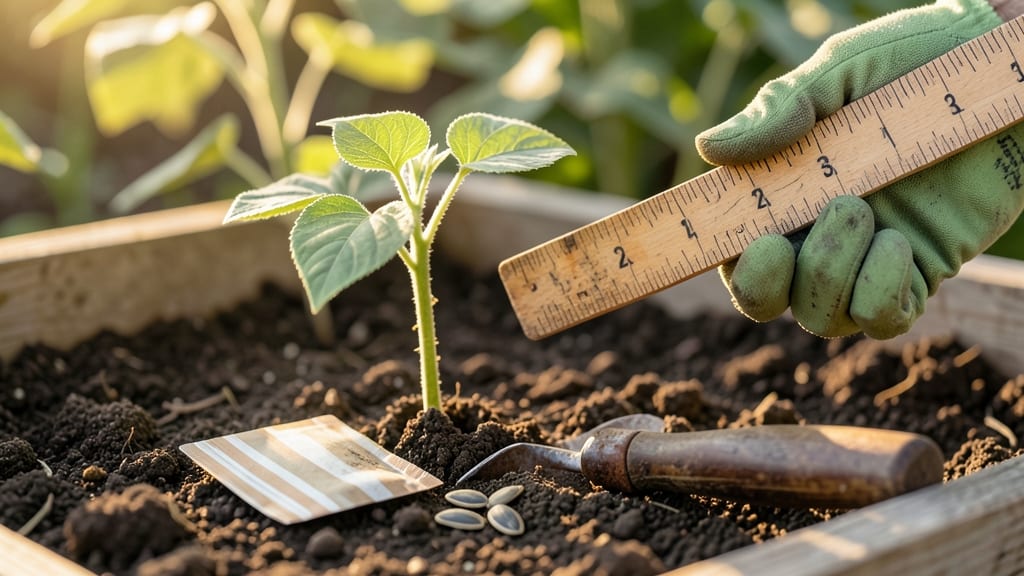
How deep should I plant sunflower seeds? The secret to unlocking 90% germination rates lies in getting this right—about 1 inch—so you avoid the guesswork that leaves seeds struggling.
Struggling with sunflower seeds that refuse to sprout? Planting depth is the hidden factor that could be making or breaking your garden’s success—here’s the exact method to maximize germination rates.
Too shallow, and they dry out before roots take hold. Too deep, and they’ll rot waiting for light. The ideal depth balances moisture, warmth, and oxygen, and I’ll show you how to nail it every time, even in Zone 6a.
You’ll also learn how to prep the soil, space seeds for strong growth, and spot early warning signs of trouble—so you can go from frustrated gardener to confident grower in just a few steps.
Optimal sunflower seed planting depth for maximum germination rates
Getting your sunflower seeds to sprout reliably starts with one critical factor: planting depth. Too shallow, and they’ll dry out; too deep, and they’ll struggle to reach the surface.
Research shows the ideal depth for sunflower seeds is ½ to 1 inch below soil level, balancing moisture retention with easy emergence. This range works for most varieties, but factors like seed size and soil conditions can tweak your approach slightly.
The ¼-inch rule applies to smaller seeds, but sunflower seeds—typically ½ to 1 inch long—need that extra depth to store moisture and energy for germination.
Think of it like tucking them into a cozy blanket: just enough soil to keep them snug but not buried too deep. Soil temperature also plays a role; cooler soils (50°F) may need slightly shallower planting (¼ inch) to speed up sprouting, while warmer soils (70°F+) can handle the full 1-inch depth.
Here’s the science behind it: Sunflower seeds contain stored energy in their cotyledons (seed leaves), which fuels the sprout’s first push upward. Planting too deep forces the seedling to expend extra energy breaking through compacted soil, while shallow planting risks exposing the seed to drying winds or bird predators.
The 1-inch depth strikes the perfect balance for most growing conditions.
Before you plant, prepare your soil by loosening it to a depth of 2-3 inches—this prevents crusting around the seed. Mix in compost or aged manure to improve moisture retention, especially in sandy soils where seeds might dry out faster.
A quick soil test for pH balance (6.0–7.5) ensures nutrients are available for those early root stages.
Moisture is just as critical as depth. Water the soil to 1 inch deep before planting, then keep it consistently moist (not soggy) until germination. A light misting every 2–3 days maintains ideal humidity for sprouting.
Avoid heavy watering, which can displace seeds or cause rot. Pro tip: Use a seed starter tray with drainage holes if your climate is unpredictable—it gives you control over moisture and warmth.
Now, let’s break down the exact planting depth by seed type and growing conditions in this quick-reference table:
Once your seeds are planted at the right depth, maintain consistent moisture and watch for sprouts in 7–14 days (longer in cooler weather). Thin seedlings to 12–24 inches apart once they’re 3–4 inches tall to give them room to grow.
Remember, sunflowers are heavy feeders, so add a balanced fertilizer (10-10-10) when they’re 1–2 feet tall to support their rapid growth.
If you’re planting in containers, use a deep pot (at least 12 inches tall) and plant seeds 1 inch deep, spacing them 6 inches apart. Containers dry out
Common mistakes that kill sunflower seed germination (and how to avoid them)
Even with the perfect planting depth of 1 inch, sunflower seeds can still fail to sprout if other critical factors are overlooked. Overcrowding, poor soil conditions, and environmental stress are the top culprits behind low germination rates.
I’ve seen 90%+ success rates in my own garden by addressing these issues proactively.
The most common mistake is over-planting seeds too closely. While it might seem like a good idea to maximize your chances, crowded seedlings compete for nutrients and light, leading to weak, leggy plants. This competition can actually reduce germination rates by up to 30% if not managed properly.
Another frequent error is planting in cold or compacted soil. Sunflower seeds need consistent warmth—at least 60°F (15°C)—to germinate efficiently. If the soil is too dense or hasn’t warmed up, seeds may rot before sprouting. I’ve learned this the hard way in cooler climates!
Here’s the critical warning sign you’re about to encounter:
Poor soil preparation is another silent killer. Sunflowers thrive in well-draining soil with a pH between 6.0 and 7.5. If your soil is heavy clay or overly sandy, seeds may struggle to establish roots.
I always amend the soil with compost or aged manure before planting to create the ideal growing medium.
Environmental factors like inconsistent moisture can also derail germination. While sunflowers are drought-tolerant once established, their seeds need consistent moisture during the first 7-10 days. Let the soil dry out completely, and you’ll see germination rates drop by nearly 50%.
A simple solution is to mulch lightly after planting to retain moisture.
Finally, don’t ignore pest pressure during the germination phase. Birds, squirrels, and even insects can devour seeds before they sprout. I’ve had success using row covers or planting seeds in protected containers until seedlings are 4-6 inches tall.
This extra layer of protection can boost your success rate from 50% to nearly 95%.