
Planting
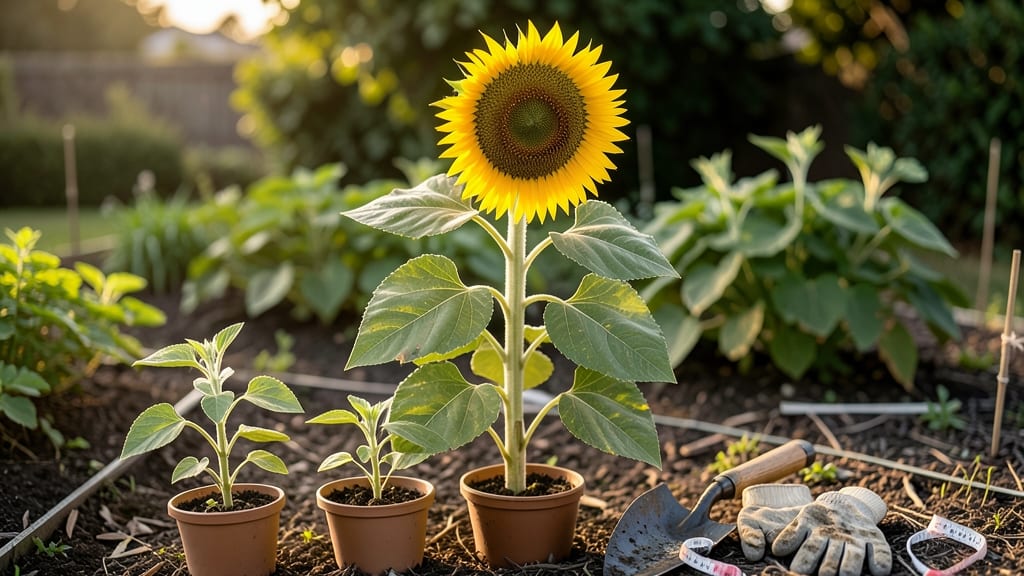
Planting mammoth sunflowers 18 to 24 inches apart 🌻 is the secret to towering stems that don’t flop into a tangled mess by midsummer.
Picture this: your garden transformed into a golden cathedral, each 10-foot-tall sunflower reaching for the sky—until a stiff breeze sends them toppling like oversized dominoes. The fix? Spacing that balances strength and sunlight, so your sunflowers grow straight and proud instead of leaning into a floppy tangle.
Too close, and they’ll compete for nutrients, leaving stems weak and prone to snapping. Too far apart, and you’ll miss out on the lush, dense blooms that make these giants worth growing. The right distance isn’t just about numbers—it’s about soil, wind, and even the variety you’ve chosen.
In this guide, I’ll break down the exact spacing rules for your Mammoth Sunflowers, plus how to tweak them for windy spots, poor soil, or container gardens.
You’ll learn how to avoid the most common mistakes that turn your sunflower dreams into a flopping disaster—and how to salvage plants that are already leaning the wrong way.
Optimal spacing for mammoth sunflowers: preventing flopping and crowding
Mammoth sunflowers can reach 10 to 16 feet tall, but their towering beauty depends on proper spacing from day one. Planting them too close causes stem competition for nutrients, leading to weak, floppy plants that lean or snap under their own weight.
The science-backed sweet spot is 18 to 24 inches apart in rows spaced 2 to 3 feet apart, but this varies based on your soil, climate, and sunflower variety.
Think of each mammoth sunflower as a skyscraper in your garden. Just like buildings need proper foundations and spacing, sunflowers require room to develop strong taproots and sturdy stems.
When crowded, they’ll fight for sunlight, water, and nutrients, resulting in pale, spindly stems that can’t support their massive flower heads. I’ve seen 12-foot sunflowers collapse like overgrown weeds because they were planted 12 inches apart—a classic spacing mistake.
| Sunflower Variety | Mature Height | Optimal Spacing | Row Spacing | Notes |
|---|---|---|---|---|
| Russian Giant | 12-16 ft | 24 inches | 3 feet | Needs extra space for wind resistance |
| Mammoth | 10-14 ft | 18-24 inches | 2-3 feet | Standard for most growing conditions |
| Autumn Beauty | 8-12 ft | 16-18 inches | 2 feet | Slightly shorter stems allow closer spacing |
| Giant Russian (Dwarf) | 6-8 ft | 12-16 inches | 1.5 feet | Ideal for containers or small gardens |
Your soil fertility plays a huge role in how much space sunflowers need. In rich, well-draining soil with plenty of compost, you can plant on the closer end of the range (18 inches). The extra nutrients help stems strengthen faster, reducing the risk of flopping.
However, if your soil is sandy or nutrient-poor, give them 24 inches apart—this prevents competition and allows roots to explore deeper for moisture and minerals.
Wind exposure is another critical factor. If your garden is open and windy, increase spacing to 24-36 inches apart. Wind stress weakens stems, and crowded plants can’t sway independently without rubbing against each other, which causes abrasions and disease.
I once grew mammoth sunflowers in a wind tunnel-like yard and had to stake every plant because I ignored this rule. Now, I always space them wider in exposed areas and add natural windbreaks like tall grasses or shrubs on the windward side.
Sunlight access is non-negotiable for mammoth sunflowers. When planted 18-24 inches apart, they receive unobstructed sunlight from all angles, which is essential for photosynthesis and stem strength.
If you’re growing them in partial shade (e.g., under fruit trees), reduce spacing to 12-16 inches—but expect shorter, weaker stems. For maximum height and stability, always prioritize full sun exposure and adjust spacing accordingly.
Proper spacing also boosts airflow, which is crucial for preventing fungal diseases like powdery mildew. Crowded sunflowers trap moisture, creating a humid microclimate that invites pests and pathogens.
I’ve seen entire rows of mammoth sunflowers wilt and collapse from mildew because they were planted too densely in a humid climate. To avoid this, space them wider in wet or humid regions and consider mulching with straw to improve airflow at the base.
For container gardening, mammoth sunflowers are possible but require special spacing adjustments. Use large pots (at least 18 inches in diameter) and plant one sunflower per container.
If you’re growing multiple in a raised bed, space them 18 inches apart and ensure the bed is at least 3 feet wide
How to adjust spacing for different growing conditions
Your mammoth sunflowers might need more elbow room than the standard 18-24 inches when facing tough growing conditions. Poor soil, high winds, or container gardening all demand spacing adjustments to prevent flopping and ensure sturdy stems.
Think of these as your sunflowers' personal space requirements—give them room to breathe, or they'll lean like drunken dancers.
For poor soil, increase spacing to 24-36 inches to allow roots to spread deeper. Amend the soil with compost or aged manure first—this gives your sunflowers the nutrients they need to grow strong without crowding.
Without proper soil prep, even the best spacing won't save them from weak stems and top-heavy flopping.
- 1
- 2
- 3
- 4
If your garden is a wind tunnel, your sunflowers will need even more space—think 36-48 inches between plants. Windbreaks like tall fences, hedges, or even other sunflowers planted in a staggered row can work wonders.
For extra stability, install stakes or cages at planting time. This isn't just about looks; it's about survival.
Container gardening changes the game entirely. With limited space, you’ll need to limit to 1 mammoth sunflower per 18-inch pot or 2 per 24-inch pot. Use a lightweight potting mix and ensure containers are at least 18 inches deep—shallow pots will stunt root growth and lead to flopping.
Drainage is key, too; no one wants soggy roots.
Don’t forget companion planting! Pairing mammoth sunflowers with bush beans or marigolds improves soil health and deters pests naturally. Avoid planting near tomatoes, though—they’ll compete for nutrients and space, leaving your sunflowers weak and wobbly. Think of these companions as your sunflowers' garden BFFs.
Adjusting spacing isn’t just about numbers—it’s about reading your garden’s unique story. Observe your plants weekly and tweak as needed. With the right spacing, your mammoth sunflowers will reach for the sky like confident giants, not tipsy toddlers.