
Flowers
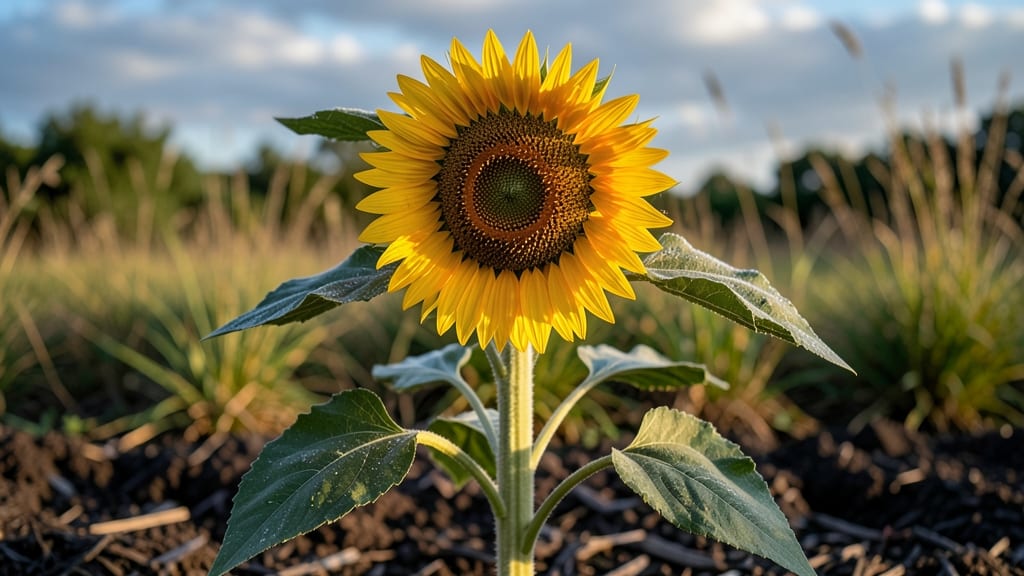
Growing Mammoth sunflowers 🌻 from seed to towering 10-foot giants takes about 80 to 100 days, but the journey starts with a tiny sprout and ends with a sun-soaked spectacle.
If you’ve ever dreamed of growing sunflowers tall enough to rival skyscrapers, Mammoth sunflowers are your best bet—but patience is key. These giants take time to reach their staggering heights, and knowing the exact timeline can help you plan your garden for maximum impact.
From germination to full bloom, each stage depends on sunlight, soil warmth, and consistent care. Skipping a step—or missing a watering—can slow them down, but with the right conditions, you’ll see those massive blooms by late summer.
In this guide, I’ll break down the week-by-week growth stages, share tips to speed up their progress, and help you troubleshoot delays so you’re left with a garden full of sunflowers that steal every show.


Mammoth sunflower growth timeline: seed to full bloom in weeks
Growing mammoth sunflowers from seed to their towering 10-14 foot glory is a rewarding journey that unfolds over 80-100 days under ideal conditions. Unlike their smaller cousins, these giants demand time, patience, and precise care at each growth stage.
Understanding this week-by-week timeline helps you anticipate milestones and troubleshoot delays before they become problems.
From the first green shoot breaking through soil to the dramatic yellow bloom that could outshine your entire garden, mammoth sunflowers progress through distinct phases. Each stage has its own height milestones and environmental needs, making this timeline your roadmap to success.
Let's explore what to expect each week and how to optimize growth at every turn.
During the first 2 weeks, your mammoth sunflower seeds will germinate if soil temperatures stay between 60-70°F. You'll see tiny cotyledons (seed leaves) emerge first, followed by the first true leaves.
This stage is critical—overwatering can cause seed rot, while dry soil may delay germination. Use a moisture meter to maintain consistent dampness without soggy conditions.
By week 3-4, your seedlings should reach 2-4 inches tall with their first set of serrated leaves. This is when you'll need to thin seedlings to 12-18 inches apart to prevent competition.
If you're growing in containers, choose the healthiest seedling per pot, as overcrowding stunts growth and increases disease risk.
The most dramatic growth occurs between weeks 5-8, when your sunflowers enter their vegetative stage. During this phase, stems can grow 2-3 inches per day under ideal conditions. You'll notice leaf whorls forming as the plant channels energy into height.
This is also when you should install support stakes—even if stems aren't tall yet—to prevent wind damage later.
Around week 9-10
Factors that speed up or slow down Mammoth sunflower growth
Growing Mammoth sunflowers to their full 10-14 foot potential depends on more than just time—it’s all about creating the perfect growing conditions. These towering beauties thrive when given the right mix of sunlight, soil quality, and consistent care.
Even a small misstep in these areas can stretch your sunflowers' growth timeline from 80 days to over 120 days, leaving you waiting longer for those iconic blooms.
Let’s break down the key factors that either accelerate or delay growth, so you can troubleshoot and optimize your sunflower garden like a pro. Understanding these variables will help you avoid common pitfalls—like stunted stems or delayed flowering—and ensure your sunflowers reach their sky-high potential faster than ever.
Growth Factors: Speed vs. Delay
- Full Sun (6-8+ hours): Accelerates stem growth by 20-30%
- Well-draining soil: Prevents root stress, speeds up nutrient absorption
- Consistent watering: Deep watering every 3-5 days in summer
- Warm soil temps (60°F+): Faster germination and early growth
- Proper spacing (18-24"): Reduces competition for nutrients
- Partial shade: Stunts growth by 15-25%, delays flowering
- Compacted soil: Restricts root expansion, weakens stems
- Inconsistent watering: Causes wilting and stunted growth spikes
- Cool soil temps (<55°F): Delays germination by 7-14 days
- Overcrowding: Increases disease risk, reduces nutrient access
One of the biggest game-changers for Mammoth sunflower growth speed is sunlight exposure. These sun-loving plants need at least 6 hours of direct sunlight daily, but they truly thrive with 8+ hours.
When I planted my first batch in a partially shaded spot, their stems grew only 6 feet tall by mid-summer—half the height of my sun-soaked siblings! To fix this, I moved them to a sunnier location and saw 3 feet of new growth in just 3 weeks.
Don’t overlook soil quality either—Mammoth sunflowers demand nutrient-rich, well-draining soil. Amend your garden bed with compost or aged manure before planting to give roots the head start they need.
I once skipped this step and ended up with sunflowers that took 10 days longer to germinate and grew 2 feet shorter than expected. A simple soil test can save you from these headaches!
Watering plays a crucial role too, but timing matters just as much as frequency. Deep watering in the morning (before 10 AM) ensures roots absorb moisture efficiently without risking fungal diseases from evening dampness.
During peak summer heat, I water my sunflowers every 3 days and see faster stem elongation compared to my neighbor who waters sporadically—her sunflowers struggled to reach 8 feet.
Temperature also affects growth speed, especially in early stages. Mammoth sunflowers germinate best in soil temps above 55°F, but they grow fastest when daytime temps stay between 70-85°F. If you’re in a cooler climate, consider using row covers or planting in south-facing beds to warm the soil faster.
I’ve seen germination times drop from 14 days to just 7 days with these simple adjustments!
Finally, proper spacing prevents competition for resources. Plant seeds 18-24 inches apart to give each sunflower room to stretch its legs. Overcrowding leads to weak stems and delayed flowering—something I learned the hard way when my 12-inch spacing resulted in sunflowers that barely topped 7 feet.
Adjusting to the recommended distance had them reaching 10 feet in half the time the next season.