
Flowers
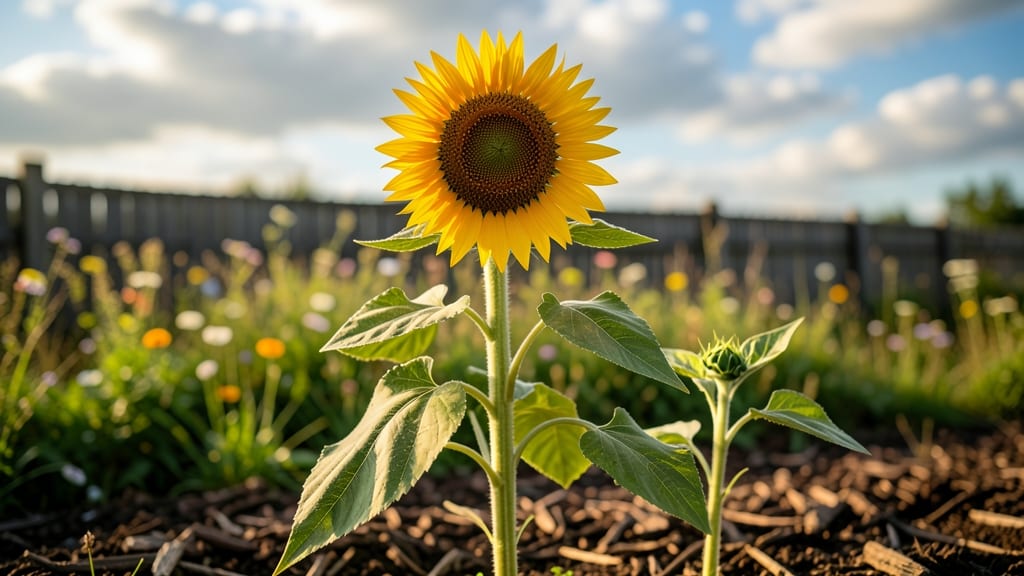
Sunflowers take between 60 and 120 days to bloom from seed, depending on the variety and growing conditions—so if you’re counting down the days to those towering 🌻 faces, timing matters more than you think.
Picture this: you’ve just tucked those seeds into the soil in early spring, dreaming of summer sunshine and golden blooms. But what if your Russian Giant takes twice as long as a Moulin Rouge?
Or what if a late frost or overcrowded seedlings throw off your whole schedule? The truth is, sunflowers are fast growers—but only if you set them up right.
In this guide, I’ll break down the exact bloom times by variety, how planting season affects your timeline, and the 5 biggest mistakes that turn a 60-day bloom into a 120-day wait.
Whether you’re in Zone 6a or further south, you’ll know exactly when to expect those cheerful faces—and how to speed things up if your garden’s taking its sweet time.
Ready to turn those seeds into sunflower superstars? Let’s get into the details—from leaf count milestones to the one fertilizer trick that cuts bloom time by weeks.
Sunflower bloom times by variety: fastest to slowest growing types
If you're dreaming of a sunflower-filled garden, knowing the bloom timeline for each variety is key. Some sunflowers burst into bloom in just 50 days, while others take nearly 120 days to reach their towering, golden glory.
The difference often comes down to height potential and genetic growth rates, with dwarf varieties maturing fastest and giants taking the longest.
For example, my 'Moulin Rouge' sunflowers—with their striking red petals—bloom in about 50 days from seed, making them perfect for quick summer color. Meanwhile, the 'Russian Giant' variety, which can reach 12+ feet tall, needs a full 120+ days to bloom.
Understanding these differences helps you plan your garden layout and timing for maximum impact.
Below is a breakdown of 10 popular sunflower varieties, ranked from fastest to slowest bloom times. I’ve included their mature heights to show how size correlates with growth speed.
Most sunflowers are direct-sown, but some can be started indoors—just know that transplants may bloom slightly earlier in ideal conditions.
| Variety | Days to Bloom | Mature Height | Notes |
|---|---|---|---|
| 'Teddy Bear' | 45-50 days | 1-2 ft | Dwarf, great for containers |
| 'Moulin Rouge' | 50-55 days | 3-4 ft | Red-petaled, fast-growing |
| 'Autumn Beauty' | 55-60 days | 4-5 ft | Multi-colored petals |
| 'ProCut' | 60-65 days | 5-6 ft | Cut flower favorite |
| 'Sunspot' | 65-70 days | 3-4 ft | Dwarf, great for borders |
| 'Mammoth Russian' | 90-100 days | 10-14 ft | Classic giant variety |
| 'Russian Giant' | 110-120+ days | 12-15 ft | Slowest but tallest |
| 'American Giant' | 100-110 days | 10-12 ft | Cold-hardy hybrid |
| 'Lemon Queen' | 60-65 days | 4-5 ft | Unique lemon-yellow blooms |
How planting time affects bloom speed: seasonal timing for faster flowersTiming your sunflower planting isn’t just about avoiding frost—it’s the secret to unlocking faster blooms and longer displays. Sunflowers thrive when planted at the right moment, but soil temperature and daylight hours dramatically impact how quickly those iconic yellow blooms appear. In my experience, a spring planting in USDA Zone 6a (like my garden) typically yields blooms in 75-90 days, but summer or fall plantings can shift that window by weeks. Let’s break down the ideal planting windows for your region, including soil temperature thresholds and frost risk factors that can make or break your bloom timeline. Whether you’re in the South with mild winters or the North with short summers, these insights will help you maximize bloom speed and extend your garden’s seasonal interest.
In Northern climates like mine (Zone 6a), I’ve found that planting sunflowers after the last frost date—typically mid-April—gives them enough warmth and sunlight to bloom by early July. For Southern gardeners, you can push planting into early fall, but avoid sowing after September 1st to prevent bolting (premature flowering) before winter. One trick I swear by is succession planting—sowing new seeds every 2-3 weeks in spring and summer. This creates a rolling bloom display that lasts from July through October. For example, if your first batch blooms in 80 days, a second planting in early June will yield flowers just as the first ones fade. Just remember: late summer plantings need well-draining soil to avoid rot from lingering moisture. Don’t forget about soil temperature—sunflower seeds won’t germinate below 50°F. I use a soil thermometer to check before planting, especially in cooler springs. If your soil is too cold, wait it out—rushing germination with heat mats can stress young seedlings. Patience here pays off with stronger stems and bigger blooms. For fastest blooms, prioritize dwarf or semi-dwarf varieties like 'Moulin Rouge' or 'Sunspot', which mature in 50-70 days. These are perfect for container gardens or small spaces where you want quick color. If you’re growing giant sunflowers, plant them early in spring and accept a longer wait—those 12-foot stalks need time to develop. Finally, adjust your watering schedule based on planting time. Spring seedlings need consistent moisture to establish roots, while summer plantings can handle drought once established. Mulch around stems to retain moisture and regulate soil temperature—this simple step can cut bloom time by 10-15 days in hot climates. |