
Propagation
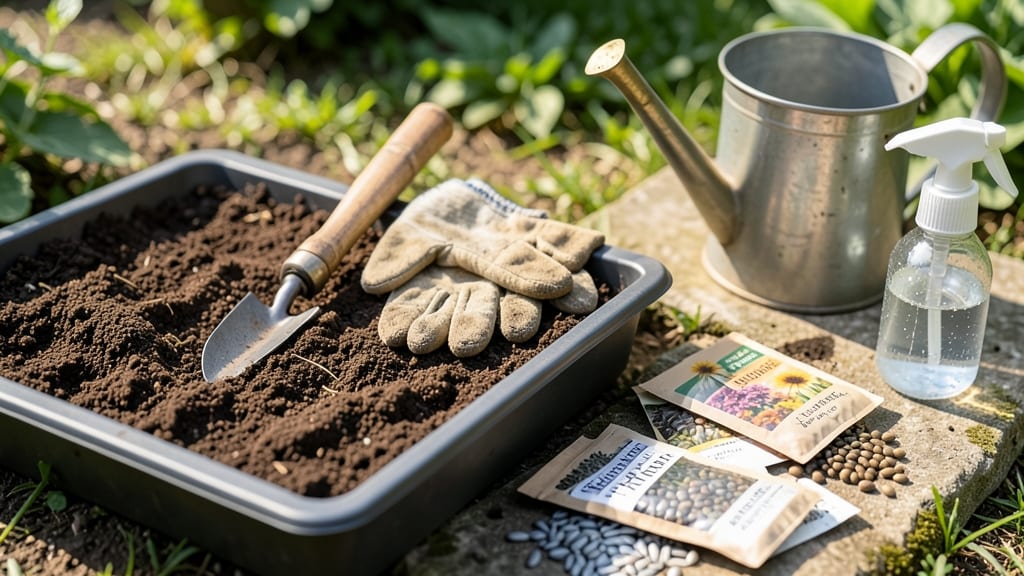
Wildflowers 🌼 can germinate in as little as 7 days or take up to 3 weeks, depending on the species and conditions you provide.
Struggling to get your wildflower seeds to sprout? Germination time can vary wildly—from days to weeks—depending on seed type, soil conditions, and care.
Some fast-sprouting varieties like cosmos and sunflowers may appear in just 7–14 days, while others, like poppies, take 14–21 days to break through the soil.
Discover the exact timelines for your wildflowers and proven moisture techniques to ensure faster, healthier growth—so you can enjoy a vibrant meadow in no time.
Wildflower germination time by seed type: fastest to slowest sprouting species
Understanding wildflower germination times is key to planning your meadow or garden. Some seeds sprout in just 7 days, while others take up to 60 days—knowing these timelines helps you set realistic expectations and troubleshoot delays.
The fastest germinators like sunflowers and cosmos reward patience with quick results, while slower species such as lupines or black-eyed Susans require more time and consistent care.
Germination speed depends on three critical factors: seed type, soil temperature, and moisture consistency. For example, poppies need cool soil to break dormancy, while marigolds thrive in warm conditions.
Even the age of your seeds matters—older seeds often germinate slower or less reliably. By aligning these variables, you can optimize your wildflower meadow for faster, more uniform sprouting.
Here’s a breakdown of common wildflower germination times, ranked from fastest to slowest, along with ideal conditions for each. This table will help you prioritize planting and adjust your care routine accordingly.
If your wildflowers aren’t sprouting within the expected germination window, check for these common issues: dry soil, improper seed depth, or temperature fluctuations. For example, poppies may take longer if planted in warm soil—cool temperatures (around 50–60°F) trigger their germination.
Similarly, lupines benefit from scarification (nick the seed coat) or soaking to break dormancy.
For fastest germination, aim for consistent moisture without waterlogging. Use a fine mist or gentle
Proper soil moisture techniques to speed up wildflower germination
Wildflower seeds need consistent moisture to break dormancy and sprout, but too much water can suffocate them. The key is maintaining even dampness without creating soggy conditions.
I’ve found that light daily misting in the morning works best for most species, while heavier watering can lead to rot or fungal issues. Let’s explore the best methods to keep your seeds happy without overdoing it.
Start by testing your soil’s moisture retention. Press your finger about 1 inch deep—if it feels dry, it’s time to water. For fast-germinating seeds like cosmos or sunflowers, aim for light but frequent watering, while slower species like poppies tolerate slightly drier conditions.
Always water at the soil level to avoid disturbing seeds.
Most wildflower seeds sprout within 7–21 days, but extreme moisture fluctuations can delay this by weeks. For example, cosmos germinate in 7–14 days with ideal moisture, while lupines may take 30+ days if soil stays too dry. Use a seed-starting mat to maintain 60–75°F soil temps for faster results.
For arid climates, I recommend mixing organic mulch (like straw or coconut coir) into the top inch of soil. This helps retain moisture while preventing crusting, which can block young seedlings.
In humid areas, improve drainage by amending soil with perlite or coarse sand—this prevents waterlogging while keeping roots hydrated.
Overwatering is just as harmful as underwatering. If your seed tray feels soggy or moldy, reduce watering immediately. A simple trick I use is placing a moisture meter near the seeds—aim for 40–60% moisture.
For container gardens, ensure pots have drainage holes and water only when the topsoil feels dry to the touch.
Another pro tip: Use a spray bottle with fine mist for delicate seeds like baby’s breath or black-eyed Susans. This mimics natural rainfall and prevents seed displacement. Avoid overhead watering, which can wash seeds away or create uneven moisture distribution.
Consistency is key—stick to a morning watering routine to let excess moisture evaporate during the day.
For large-scale plantings, consider using a drip irrigation system set to a gentle flow. This delivers water directly to the soil without disturbing seeds.
If you’re sowing in fall for spring blooms, prioritize moisture retention by adding a thin layer of mulch after planting—this protects seeds through winter and kickstarts germination in spring.