
Plants
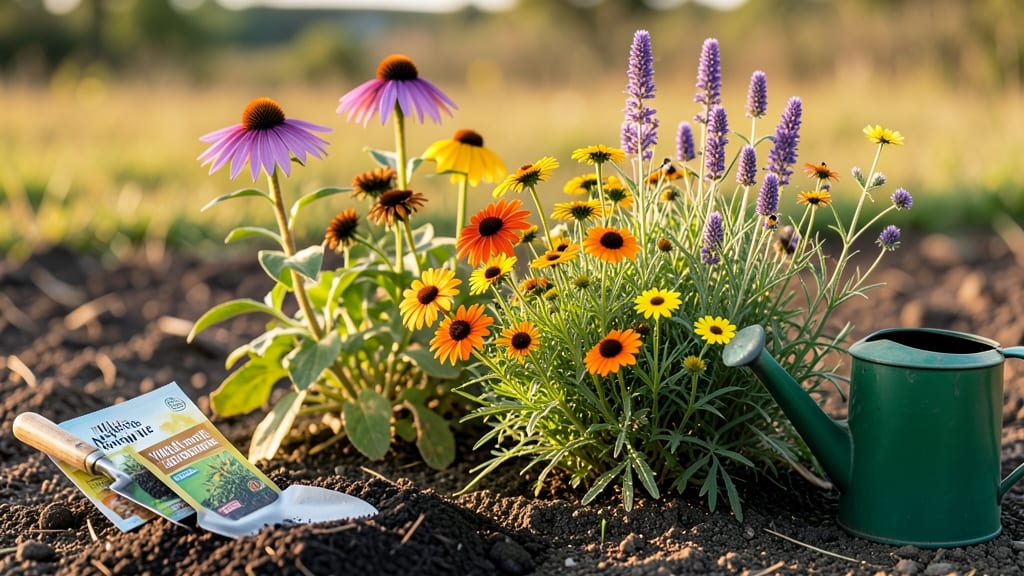
Planting wildflower seeds in Illinois at the right time means the difference between a vibrant meadow and a wasted effort—and the clock starts ticking after the last frost.
Picture this: you’ve scattered your seeds, only to wake up to a surprise frost that buries them before they even sprout. Or worse, you wait too long, and the summer heat arrives before your wildflowers 🌼 have a chance to take root.
Illinois’ 5a-6b climate gives you two clear windows—spring and fall—but getting the timing wrong can leave your garden looking bare.
Most gardeners in Illinois swear by early spring (March-April) for annuals like black-eyed Susans, but perennials like coneflowers often thrive better when planted in late summer (August-September).
The key is understanding how soil temperatures and frost dates play into your local zone, whether you’re in Chicago’s urban heat islands or rural areas where cold snaps linger longer.
In this guide, I’ll break down the exact frost-free planting schedule for Illinois, including soil prep tips, how to handle unpredictable weather, and which native wildflowers bloom fastest for your region. No more guessing—just beautiful, reliable blooms from seed to stem.
Best planting months for Illinois wildflowers by frost Zone
Illinois spans USDA zones 5a to 6b, meaning your wildflower planting schedule depends heavily on your location. In northern Illinois (5a-5b), like Chicago’s suburbs, frost lingers later, while southern Illinois (6a-6b), near St. Louis, enjoys longer growing seasons.
Even within these zones, rural areas often have 1-2 weeks earlier frost dates than cities due to the "urban heat island" effect.
For perennial wildflowers like coneflowers and black-eyed Susans, the ideal planting window is either early spring (March-April) or late summer/fall (August-September). Annuals such as cosmos and sunflowers, however, prefer direct sowing in late spring (May) once soil temperatures consistently stay above 50°F (10°C).
Soil temperature is critical—most wildflower seeds need at least 40°F (4°C) to germinate, but 55-65°F (13-18°C) is optimal. In Chicago (Zone 5b), this typically aligns with mid-April, while St. Louis (Zone 6a) can start as early as late March.
Always check local frost dates from the National Weather Service before planting.
Here’s your frost-free planting timeline broken down by Illinois’ key regions, including soil prep tips and regional adjustments:
For annual wildflowers, like cosmos or zinnias, the late spring (May) window is ideal because they germinate quickly and bloom fast. Perennials, such as purple coneflower or butterfly weed, benefit from fall planting (August-September) because seeds have time to establish roots before winter.
In urban areas like Chicago, where sidewal
Fall vs. spring planting: which works better for Illinois wildflowers?
Deciding when to plant wildflower seeds in Illinois can feel like a gamble—especially with our unpredictable weather. Both fall and spring planting have advantages, but Illinois’ humidity swings and late frosts can make or break your meadow.
Let’s break down the best time to plant wildflowers in Illinois so you can avoid common pitfalls like seedling rot or premature frost damage.
Spring planting (March-April) is the classic choice for most gardeners, offering a head start on the growing season. However, Illinois’ late spring frosts (sometimes as late as April 15) can still threaten tender seedlings.
Fall planting (October-November), on the other hand, allows seeds to germinate early and establish roots before winter—ideal for drought-resistant species like coneflowers and black-eyed Susans.
Fall Planting (October-November)
- Seeds germinate early spring
- Reduced competition from weeds
- Better moisture retention in fall soil
- Risk of early frost before germination
- Limited time to establish roots if planted too late
- Higher voles/squirrel damage to seeds
Spring Planting (March-April)
- Longer growing season for blooms
- Avoids fall pest pressure
- Easier to monitor seedlings
- Late frosts can still kill seedlings
- Weed competition increases early
- Requires consistent watering during dry spells
For Illinois wildflowers like milkweed and purple coneflower, fall planting often yields stronger first-year blooms because seeds get a head start. However, spring planting works better for annuals like cosmos or sunflowers, which thrive with direct summer sun.
My personal rule? If you’re planting perennials, lean toward fall—but always check your local frost dates.
Illinois’ soil moisture is another critical factor. Fall-planted seeds benefit from natural rainfall in October-November, while spring planting often requires supplemental watering during dry March-April spells. For best results, test your soil’s moisture retention before planting—aim for well-draining but consistently moist conditions.
Pest pressure also shifts with seasons. Fall planting attracts fewer insect pests than spring, but rodents (like voles) may dig up seeds. To protect your investment, use light mulch (like straw) after planting and avoid thick layers that can suffocate seeds.
In spring, watch for aphids on young shoots—neem oil spray helps deter them.
Timing isn’t just about frost—it’s about bloom cycles. Fall-planted black-eyed Susans often bloom 2-3 weeks earlier than spring-planted ones, giving you a longer seasonal display. For maximum impact, mix both methods: plant fall-hardy perennials in October and annuals in April.
Just remember, Illinois’ climate variability means flexibility is key—always have a backup plan for late frosts or droughts.