
Watering
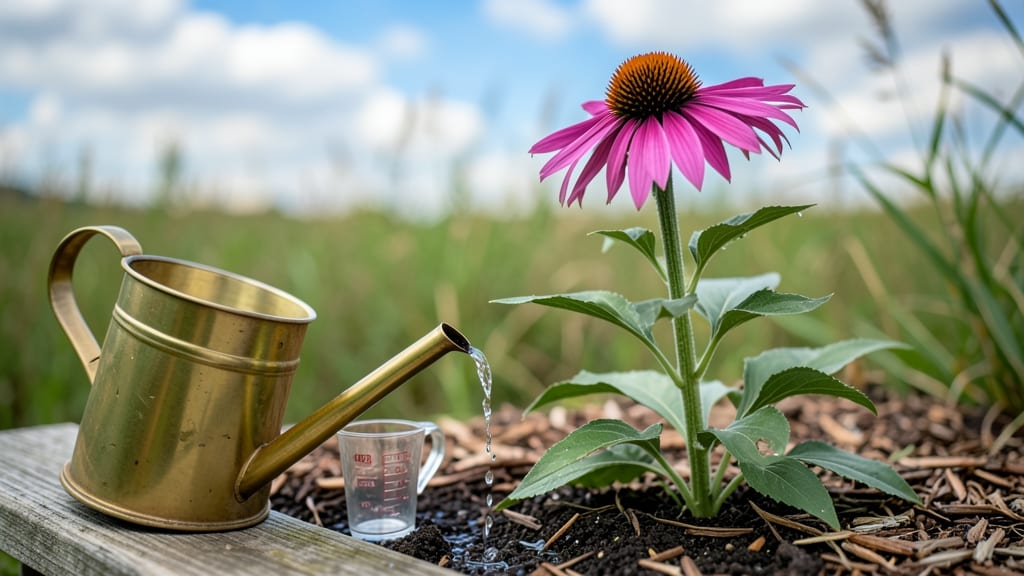
Watering coneflowers 🌼 the right way ensures those vibrant blooms return year after year without fuss—but most gardeners overcomplicate it.
You don’t need a strict schedule or fancy tools. A simple routine—deep watering when the top inch of soil feels dry—keeps these drought-lovers thriving. The trick? Adjusting for your climate and soil type, not just following a one-size-fits-all rule.
In this guide, I’ll break down exactly how often to water coneflowers by season, from the first year after planting to mature plants that barely need a sip. You’ll also learn how to spot overwatering or underwatering before it’s too late.
By the end, you’ll have a foolproof system that saves time, cuts waste, and guarantees those cheerful purple blooms from spring to fall.
Coneflower watering schedule by season: what you must know
Coneflowers (Echinacea) are famously drought-tolerant, but their watering needs shift dramatically from spring planting to winter dormancy. First-year plants require more frequent watering to establish roots, while mature coneflowers thrive on deep, infrequent watering.
Understanding these seasonal rhythms ensures your plants grow strong and bloom spectacularly year after year.
Your watering schedule should align with your local climate and soil type. Sandy soils dry faster, while clay holds moisture longer. Always water at the base of the plant in the morning to prevent fungal diseases and reduce evaporation.
Overwatering is the #1 killer of coneflowers—let the top 1-2 inches of soil dry between waterings once established.
The summary table below breaks down your monthly watering plan, including key differences for first-year vs. established plants. Use this as your roadmap for seasonal care.
During spring planting (March-May), young coneflowers need consistent moisture to develop deep roots. Aim for 1-1.5 inches of water weekly, but adjust based on rainfall. Use a moisture meter or stick your finger 1-2 inches into soil—if it feels dry, water thoroughly.
Mulching with straw or shredded leaves helps retain moisture and regulates soil temperature.
Summer is when coneflowers demand the most attention. Established plants should receive 1-2 inches of water every 7-10 days, but first-year plants may need weekly deep watering. The key is deep watering—soak the soil until water drains 6 inches deep.
Avoid shallow watering, which encourages shallow roots and weak stems. Early morning watering prevents fungal diseases like powdery mildew, a common summer issue.
As temperatures drop in fall (September-November), reduce watering significantly. First-year plants can handle bi-weekly light watering, while mature coneflowers only need monthly moisture checks. Let the soil dry out more between waterings, as cooler temps slow growth. This gradual reduction helps plants harden off for winter. Remove
Signs your coneflowers are overwatered or underwatered (and how to fix it)
Coneflowers (Echinacea) are famously drought-tolerant, but even these hardy perennials show distress when watering goes wrong. Yellowing leaves, mushy stems, or crispy foliage all signal moisture problems.
The key is understanding how soil moisture and root health interact—too much or too little water stresses your plants in different ways.
Overwatering creates anaerobic conditions in the soil, suffocating roots and inviting fungal diseases like powdery mildew. Underwatering, meanwhile, forces coneflowers to draw moisture from their own tissues, leading to wilting and stunted growth. Both extremes weaken your plants' ability to produce those vibrant purple blooms you love.
⚠️ CALL OUT WARNING ⚠️
- First year: Water 1-2 inches weekly (deep soaking)
- Established plants: 1 inch every 10-14 days (skip if rain)
- Summer heat: Increase to 1-2 inches every 5-7 days
- Winter dormancy: Minimal water (monthly light check)
🌱 Pro Tip: Stick your finger 2 inches into soil—if dry, water; if damp, wait.
Start by checking your coneflower leaves for early warning signs. Dark yellowing between veins often indicates overwatering, while light yellowing with crispy edges suggests underwatering. Examine the stem base too—soft, mushy tissue means roots are drowning, while hollow stems reveal severe drought stress.
For overwatered coneflowers, improve drainage immediately by amending soil with compost or perlite. Let the top 3-4 inches of soil dry between waterings, and avoid shallow sprinkling.
If fungal growth appears, apply neem oil to prevent spread. Underwatered plants need deep watering at the soil base (not foliage) to encourage strong root growth.
Mulching with 2-3 inches of organic mulch (like straw) helps regulate moisture by reducing evaporation. This simple step mimics natural conditions, keeping roots consistently moist without soggy extremes. Adjust your watering schedule based on seasonal needs—coneflowers in full sun will need more frequent watering than those in partial shade.
Remember, coneflowers thrive on inconsistent moisture once established. The goal is deep, infrequent watering that encourages robust root systems. With the right balance, your coneflowers will reward you with bold blooms from summer through fall—no guesswork required! 🌼