
Flowers
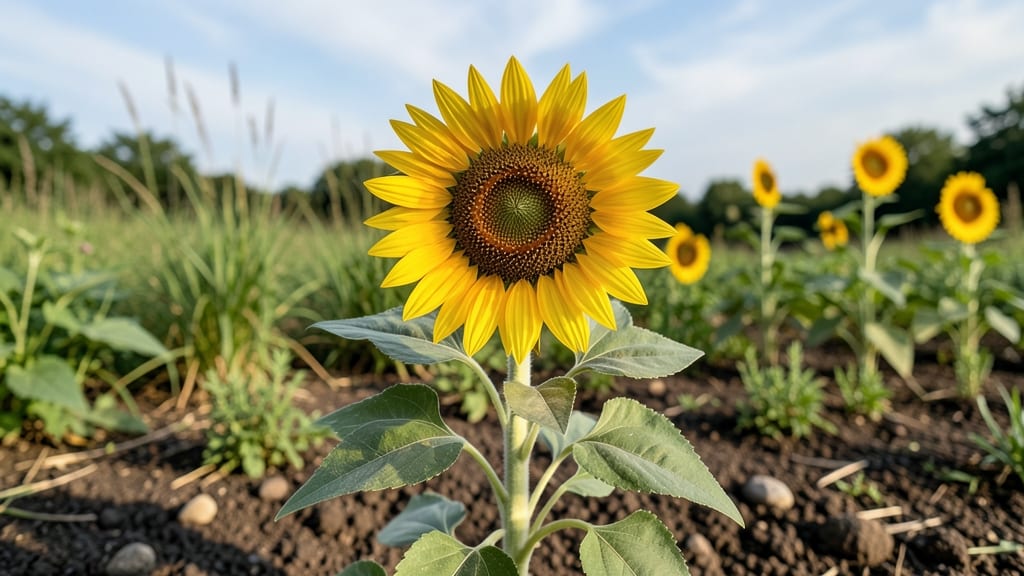
Dwarf sunflowers grow between 1 and 5 feet tall, making them perfect for small gardens, containers, or even window boxes.
If you love sunflowers but have limited space, dwarf varieties are the perfect solution—offering stunning blooms without towering over your garden. But how short can they really get? Let’s break down exact height ranges by variety so you can choose the best fit for your balcony, patio, or small plot.
Popular varieties like 'Teddy Bear' stay under 2 feet, while others like 'Moulin Rouge' reach closer to 4 feet. The key to maximizing their height lies in well-drained soil, full sun, and consistent watering.
Below, you’ll find practical tips for selecting the right variety, optimizing growth, and even troubleshooting slow development—so you can enjoy sunflowers that fit your space without sacrificing beauty.


Dwarf sunflower height ranges by variety: what to expect in your garden
If you’re dreaming of sunflowers but worried about space, dwarf varieties are your best bet—packing all the cheer of their towering cousins into compact packages. These little powerhouses typically mature between 1 and 5 feet, making them perfect for containers, small gardens, or even window boxes.
But not all dwarf sunflowers are created equal: some stay under 2 feet while others stretch toward 5 feet. Let’s explore the exact height ranges so you can pick the perfect fit for your space.
The key to choosing the right variety lies in understanding their mature height and growth habits. Some dwarf sunflowers grow upright like miniature standard varieties, while others have bushy, multi-branching habits that spread horizontally.
This affects not just their height but also how much space they’ll need in your garden. For example, a 2-foot sunflower might need 12 inches of space, while a 5-foot variety could require 2 feet of clearance to avoid shading neighbors.
Here’s a quick visual guide to help you compare popular dwarf sunflower varieties at a glance:
For small containers or window boxes, varieties like Pocket Sun or Teddy Bear are ideal—they thrive in 5-gallon pots and rarely exceed 2 feet. These are also great for cutting gardens because their compact size makes them easy to harvest without needing a ladder.
If you’re growing them in ground beds, consider spacing them 12–24 inches apart depending on the variety to allow airflow and prevent overcrowding.
One common mistake is assuming all dwarf sunflowers stay short. While they’re labeled as "dwarf," some varieties like Little Becka can stretch toward 3 feet if given ideal conditions. To keep them shorter and bushier, pinch back the top growth when they’re about 1 foot tall.
This encourages lateral branching and more blooms at eye level. Just be sure to do this before the plant sets its main flower bud, or you might reduce bloom production.
Another factor that influences height is sunlight exposure. Dwarf sunflowers need at least 6–8 hours of full sun daily to reach their full potential. If they’re planted in partial shade, they’ll often grow taller and leggier as they stretch toward the light.
For the most compact and sturdy plants, place them in the sunniest spot in your garden or on your patio. In containers, rotate the pots every few days to ensure even growth and prevent leaning.
If you’re growing dwarf sunflowers for cut flowers, aim for varieties like Moulin Rouge or Little Becka, which produce long-lasting blooms on sturdy stems. For pollinators, Teddy Bear and Sunspot are excellent choices—their multi-branching habit provides plenty of landing spots for bees and butterflies.
To maximize blooms, deadhead spent flowers regularly, which encourages the plant to produce more buds throughout the season.
For small-space gard
How to maximize growth and sun exposure for compact sunflowers
Dwarf sunflowers thrive when given the right conditions, but even the hardiest varieties can struggle to reach their full height potential if you overlook key factors. The secret to maximizing their growth lies in three pillars: sunlight exposure, well-draining soil, and consistent moisture.
Unlike their towering counterparts, dwarf sunflowers are sensitive to poor soil and inconsistent care, which can stunt their growth by up to 50%.
Start by selecting a planting location that receives at least 6 hours of direct sunlight daily. Dwarf sunflowers may tolerate partial shade, but their stems will become weak and leggy, reducing both height and bloom quality.
If your garden lacks full sun, consider using reflective surfaces like white walls or mirrors to bounce extra light onto your plants.
⚠️ Common Misconception: "All Dwarf Sunflowers Stay Under 2 Feet"
Reality: While varieties like 'Teddy Bear' max out at 18-24 inches, others like 'Moulin Rouge' can reach 4 feet with proper care. Even "compact" varieties may only reach 50-70% of their potential height if planted in poor soil or low light. Always check seed packets for exact height ranges and adjust spacing accordingly.
Soil quality is the next critical factor. Dwarf sunflowers perform best in loamy, well-draining soil with a pH between 6.0 and 7.0. Amend heavy clay soil with compost or perlite to prevent root rot, which can halt growth entirely.
A quick soil test before planting will reveal if your garden needs adjustments—this small step can boost height by 20-30%.
Watering habits often get overlooked, but dwarf sunflowers need consistent moisture without becoming waterlogged. Aim for 1 inch of water per week, delivered either through rainfall or manual watering.
Let the top inch of soil dry between waterings to prevent fungal diseases that weaken stems. Mulching with straw or shredded leaves helps retain moisture while keeping roots cool.
Fertilization plays a subtle but important role. Avoid heavy-handed feeding, as dwarf sunflowers thrive on balanced, low-nitrogen fertilizer (like 5-10-10). Apply fertilizer twice during the growing season: once when seedlings emerge and again when buds form.
Over-fertilizing can lead to excessive foliage at the expense of flower production, reducing both height and visual appeal.
If your dwarf sunflowers seem to be lagging in growth, check for these common issues: overcrowding (space plants 12-18 inches apart), pests like aphids (which sap energy), and nutrient deficiencies (yellowing leaves indicate nitrogen needs). Prune any damaged leaves promptly to redirect the plant's energy toward stem growth and flowering.
With the right care, your dwarf sunflowers will not only reach their full height potential but also produce vibrant blooms that outshine their larger counterparts. The key is consistency—provide steady sunlight, well-aerated soil, and thoughtful watering, and you'll be rewarded with sunflowers that thrive in even the smallest spaces. 🌻